Managing moisture in your attic is crucial for maintaining a healthy, energy-efficient home. Excess humidity and condensation can lead to mold growth, wood rot, and reduced effectiveness of your insulation. By choosing the right attic insulation for moisture control, homeowners can prevent costly repairs, improve indoor air quality, and extend the lifespan of their roof structure.
This article explores the best insulation strategies and materials to keep your attic dry and protected. We’ll also discuss common causes of attic moisture, how to spot warning signs, and practical steps to achieve long-term moisture management. If you’re interested in sustainable home improvements, you may also want to learn about solar roofing market trends for additional energy savings.
Understanding Attic Moisture Problems
Before exploring insulation options, it’s important to understand how moisture accumulates in attics. Common sources include:
- Air leaks from living spaces below, carrying warm, humid air upward.
- Inadequate ventilation that traps moisture-laden air.
- Roof leaks or ice dams allowing water intrusion.
- Poor vapor barrier installation or damaged insulation.
Signs of excess attic moisture include musty odors, visible mold, damp insulation, and water stains on rafters or ceilings. Addressing these issues promptly with the right moisture-resistant attic insulation can prevent structural damage and health risks.
How Insulation Controls Moisture in the Attic
Properly installed attic insulation acts as a barrier, reducing heat transfer and limiting the movement of humid air. The right materials and installation techniques can help:
- Minimize condensation on cold surfaces.
- Prevent warm air from reaching the roof deck in winter, reducing ice dam formation.
- Block moisture migration from living spaces below.
- Maintain consistent attic temperatures, discouraging mold growth.
Top Materials for Attic Insulation and Moisture Defense
Choosing the best insulation for attic moisture management depends on your climate, attic design, and budget. Here are some of the most effective options:
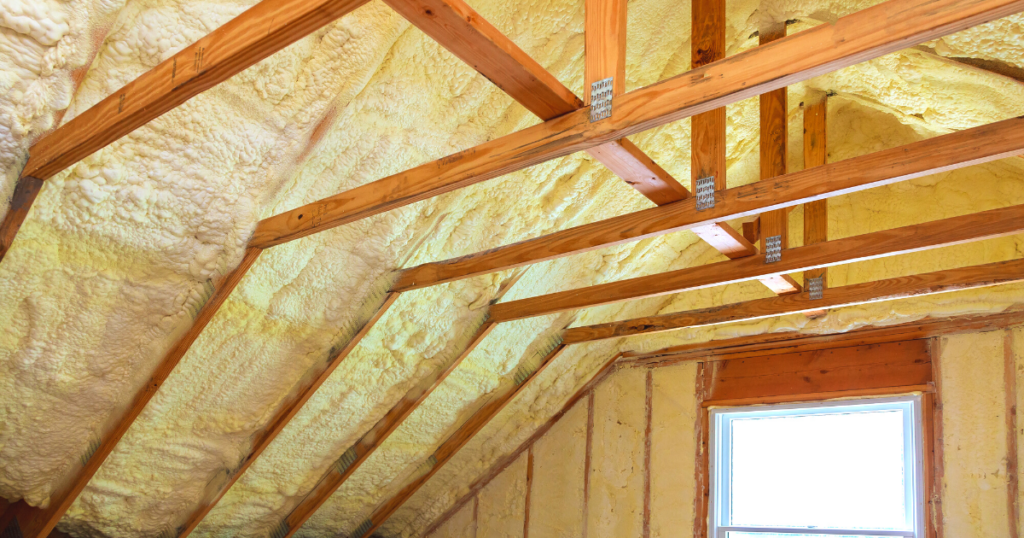
Spray Foam Insulation
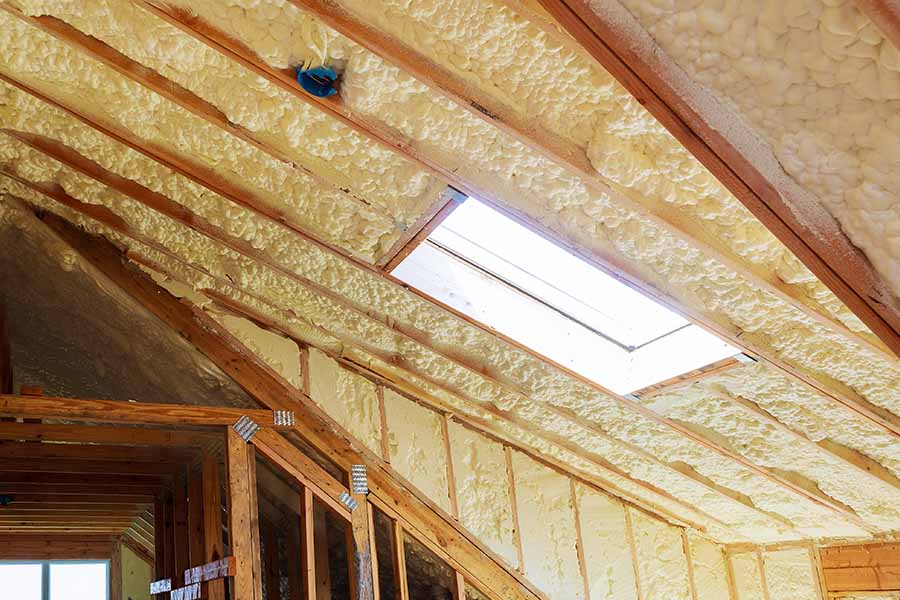
Closed-cell spray foam is highly effective at sealing air leaks and providing a moisture barrier. It expands to fill gaps, creating an airtight seal that prevents humid air from entering the attic. This material also resists water absorption, making it ideal for areas prone to condensation.
Fiberglass Batt or Blanket Insulation
Fiberglass is a popular choice due to its affordability and ease of installation. However, it must be paired with a proper vapor barrier to prevent moisture from getting trapped within the insulation. When installed correctly, fiberglass can help maintain attic dryness.
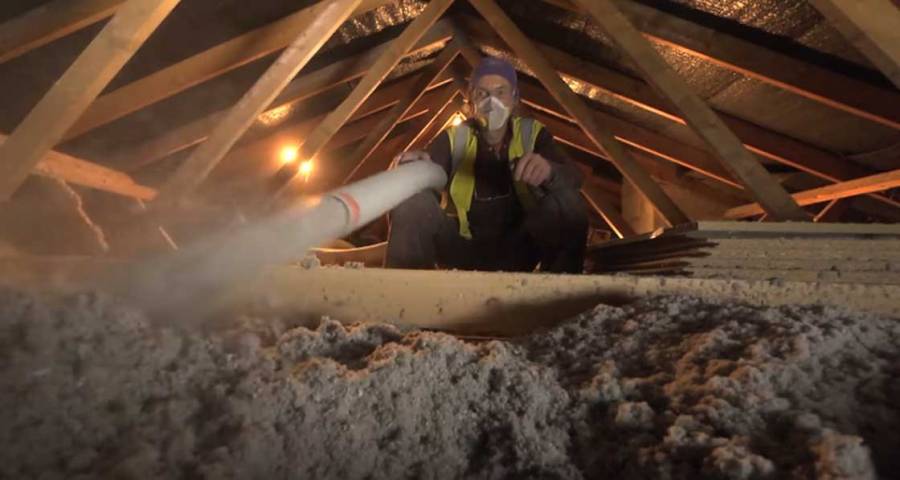
Cellulose Insulation
Made from recycled paper treated with fire retardants, cellulose insulation is dense and effective at blocking air movement. It can absorb some moisture but dries out quickly, reducing the risk of mold if attic ventilation is adequate.
Rigid Foam Board
Rigid foam boards, such as polyisocyanurate or extruded polystyrene, provide excellent moisture resistance and high R-values. They are often used to insulate attic hatches, knee walls, or as a continuous barrier over rafters.
Installation Tips for Effective Moisture Control
Even the best insulation can fail if not installed properly. Follow these tips to maximize moisture protection in your attic:
- Seal air leaks around light fixtures, plumbing vents, and attic access points before adding insulation.
- Install a vapor barrier on the warm side of the insulation in cold climates to block moisture migration.
- Ensure proper attic ventilation with soffit, ridge, or gable vents to allow moist air to escape.
- Inspect roof and flashing for leaks and repair any damage before insulating.
- Avoid compressing insulation, as this reduces its effectiveness and can trap moisture.
For homes with existing insulation, check for signs of dampness or mold and replace any compromised material. Upgrading to modern, moisture-resistant products can make a significant difference in long-term attic health.
Integrating Moisture Control with Other Home Improvements
Addressing attic humidity often goes hand-in-hand with other energy-saving upgrades. For example, pairing new insulation with innovations in solar roofing can further improve your home’s efficiency and comfort. When planning renovations, consider a holistic approach that includes air sealing, insulation, ventilation, and roofing enhancements.
Frequently Asked Questions
What type of insulation is best for preventing attic moisture?
Closed-cell spray foam is often considered the most effective for blocking both air and moisture. However, properly installed fiberglass or cellulose can also work well when combined with vapor barriers and adequate ventilation.
How can I tell if my attic has a moisture problem?
Warning signs include musty odors, visible mold, wet or compacted insulation, and water stains on wood or ceilings. Regular inspections, especially after heavy rain or snow, can help catch issues early.
Do I need both insulation and ventilation to control attic humidity?
Yes, both are essential. Insulation slows the movement of warm, humid air, while ventilation allows any moisture that does enter to escape. Together, they create a balanced system for moisture management.
By understanding the causes of attic humidity and selecting the right attic insulation for moisture control, homeowners can protect their investment and enjoy a healthier living environment. Regular maintenance and a proactive approach will ensure your attic stays dry, comfortable, and energy efficient for years to come.