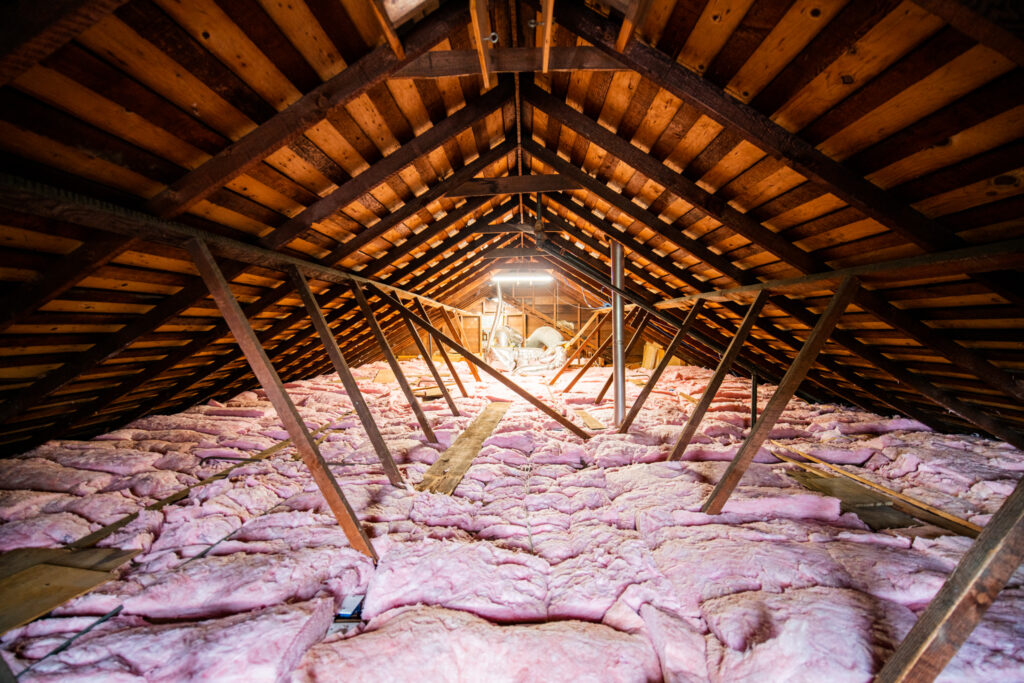
Attic moisture is a common but often overlooked problem in many homes, especially in regions with fluctuating temperatures or high humidity. When warm, moist air from living spaces rises and meets the cooler surfaces in the attic, condensation can form. Over time, this excess moisture can lead to mold growth, wood rot, reduced insulation effectiveness, and even structural damage. Understanding how to prevent attic condensation is essential for maintaining a healthy, energy-efficient home.
In this article, you’ll find practical strategies to stop moisture buildup in your attic, learn why it happens, and discover which steps are most effective for different climates and home types. If you’re interested in how roofing innovations can impact attic health, you may also want to explore innovations in solar roofing and how they relate to moisture management.
Understanding the Causes of Attic Moisture
Before you can address attic dampness, it’s important to know where the moisture is coming from. The most common sources include:
- Air leaks from living spaces below, allowing warm, humid air to rise into the attic.
- Inadequate or blocked ventilation, which traps moisture-laden air.
- Poorly installed or insufficient insulation, leading to temperature differences that encourage condensation.
- Bathroom and kitchen exhaust fans venting directly into the attic instead of outside.
- Roof leaks or ice dams introducing water from the exterior.
Recognizing these sources is the first step in developing an effective plan to keep your attic dry and healthy.
Key Strategies to Minimize Attic Condensation
There are several proven methods to reduce and control attic moisture. The following sections outline the most effective approaches, with a focus on both prevention and remediation.
Seal Air Leaks and Improve Attic Access Points
One of the most impactful ways to stop condensation is to prevent warm, moist air from entering the attic in the first place. Common air leak locations include:
- Attic hatches and pull-down stairs
- Recessed lighting fixtures
- Plumbing and electrical penetrations
- Chimneys and vent stacks
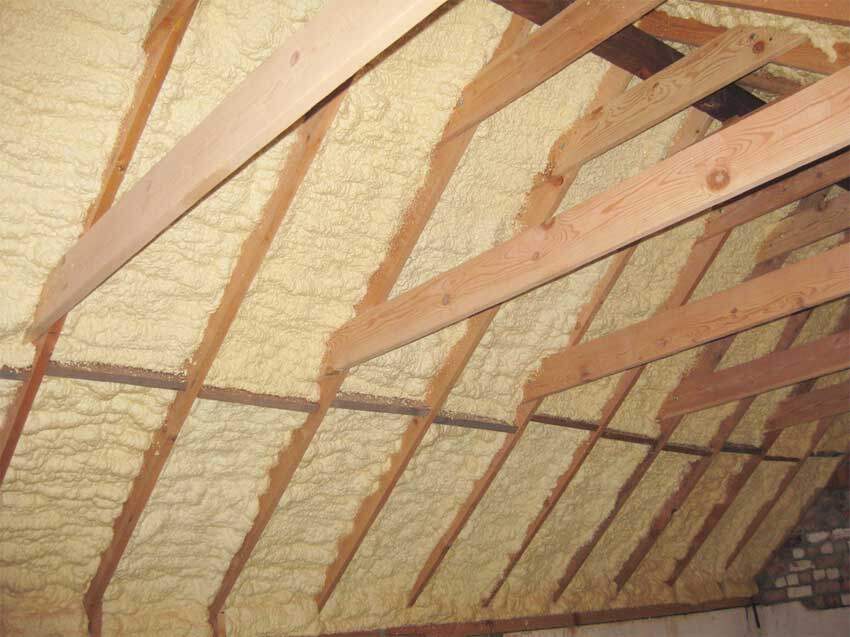
Use weatherstripping, caulk, or spray foam to seal these gaps. Pay special attention to the attic hatch, as it is often a major source of air leakage. Properly sealing these areas helps maintain a consistent temperature and humidity level, reducing the risk of condensation.
Enhance Attic Ventilation for Moisture Control
Adequate ventilation is crucial for moving moist air out of the attic and bringing in drier outside air. The most common types of attic ventilation include:
- Soffit vents (intake) along the eaves
- Ridge vents (exhaust) at the peak of the roof
- Gable vents or powered attic fans (in some cases)
For most homes, a balanced system with both intake and exhaust vents is ideal. Check that vents are not blocked by insulation or debris. If your home has recently been upgraded with new roofing, consider how modern materials and designs—such as those discussed in latest solar roofing technology—can improve airflow and moisture management.
Upgrade Insulation to Prevent Temperature Fluctuations
Proper insulation helps maintain a consistent attic temperature, reducing the likelihood of condensation forming on cold surfaces. Blown-in or batt insulation can be effective, but it must be installed correctly and not block ventilation paths.
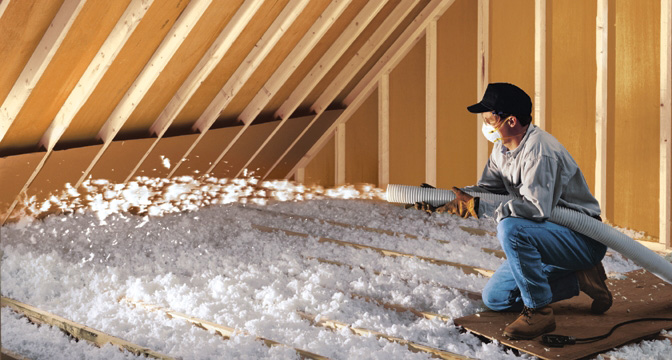
When adding insulation, use baffles or vent chutes to keep soffit vents clear. This ensures that air can circulate freely, carrying away moisture before it condenses. Upgrading insulation not only helps with attic condensation prevention but also improves energy efficiency and comfort throughout your home.
Direct Exhaust Fans Outside, Not Into the Attic
Bathroom and kitchen exhaust fans should always vent to the exterior, never into the attic. Venting moist air into the attic space is a leading cause of condensation and mold problems. Inspect your exhaust systems and reroute any that terminate in the attic to the outside using properly sealed, insulated ducts.
Monitor Humidity and Take Proactive Steps
Installing a humidity sensor or hygrometer in your attic can help you track moisture levels over time. If you notice persistent high humidity, consider using a dehumidifier or increasing ventilation. Regular inspections, especially after storms or rapid temperature changes, can catch problems early before they escalate.
Additional Tips for Moisture Prevention in the Attic
- Inspect your roof for leaks and repair any damaged shingles or flashing promptly.
- Ensure gutters and downspouts are clear and direct water away from the foundation.
- Check for signs of mold or mildew and address them immediately.
- Consider vapor barriers in extremely humid climates, but consult a professional to avoid trapping moisture.
- Keep attic storage minimal to allow air to circulate freely.
Staying proactive with these steps will help you avoid costly repairs and maintain a healthier indoor environment.
How Roofing Innovations Impact Attic Moisture
Advances in roofing materials and installation methods have made it easier to manage attic humidity. For example, integrated solar roofing systems can provide better insulation and ventilation options. If you’re considering upgrades, reviewing solar roofing market trends can offer insights into how modern roofs contribute to moisture control and overall home performance.
FAQ: Common Questions About Attic Moisture Prevention
What are the first signs of condensation in the attic?
Early indicators include water droplets on rafters or insulation, damp or compressed insulation, a musty smell, or visible mold growth. You might also notice frost on the underside of the roof deck in cold weather.
How often should attic ventilation and insulation be checked?
It’s wise to inspect your attic at least twice a year—once in the spring and once in the fall. After major storms or roof repairs, check again to ensure no new leaks or blockages have developed.
Can adding more insulation solve all attic moisture problems?
While improving insulation helps regulate temperature and reduce condensation, it must be paired with proper ventilation and air sealing. Simply adding insulation without addressing airflow or air leaks can sometimes make moisture issues worse.
Is professional help needed to address attic condensation?
Many homeowners can handle basic air sealing, insulation upgrades, and ventilation improvements. However, if you notice persistent mold, structural damage, or are unsure about proper installation, consulting a qualified contractor is recommended.
Conclusion
Preventing attic condensation requires a combination of air sealing, adequate ventilation, effective insulation, and regular maintenance. By addressing the sources of moisture and ensuring your attic is properly equipped to handle humidity, you can protect your home from costly damage and create a healthier living environment. For those interested in how modern roofing can further support these efforts, exploring topics like solar roofing future trends can provide valuable context for long-term home improvement.