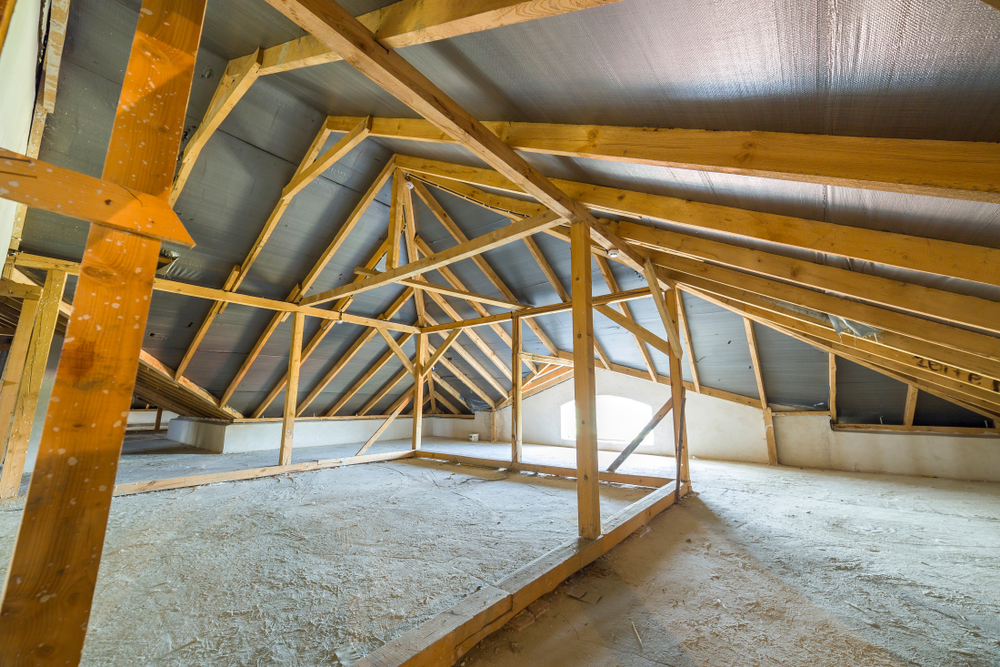
Keeping your home comfortable year-round often comes down to how well your attic and roof are insulated. Many homeowners are surprised to learn just how significant the roof insulation effect on energy bills can be. Proper insulation not only helps maintain indoor temperatures but also directly impacts how much you spend on heating and cooling. In this article, we’ll break down the science behind insulation, discuss the types available, and show how investing in the right materials can lead to substantial savings over time.
Whether you’re considering a new roof, planning upgrades, or simply want to understand why your energy bills fluctuate, understanding the relationship between attic insulation and household energy use is essential. For those also weighing the costs of a full roof overhaul, our roof upgrade cost guide offers insights into budgeting for high-performance roofing solutions.
Understanding the Roof Insulation Effect on Energy Bills
Insulation acts as a thermal barrier, slowing the transfer of heat between your home’s interior and the outdoors. In summer, it keeps hot air out; in winter, it traps warmth inside. The result is a more stable indoor climate and less reliance on heating and cooling systems. The roof insulation effect on energy bills is most noticeable in regions with extreme temperatures, but even moderate climates benefit from reduced energy waste.
Heat naturally rises, making the attic and roof critical points for energy loss. Without adequate insulation, up to 25% of a home’s heat can escape through the roof. This means your furnace or air conditioner must work harder, driving up monthly utility costs. By improving the insulation in your attic and roof, you can reduce this loss and see a measurable drop in your energy expenses.
Types of Roof Insulation and Their Impact
There are several types of materials used to insulate attics and roofs, each offering different levels of effectiveness and cost. The most common options include:
- Fiberglass batts: Widely used due to affordability and ease of installation. Good for standard attics but less effective if not installed properly.
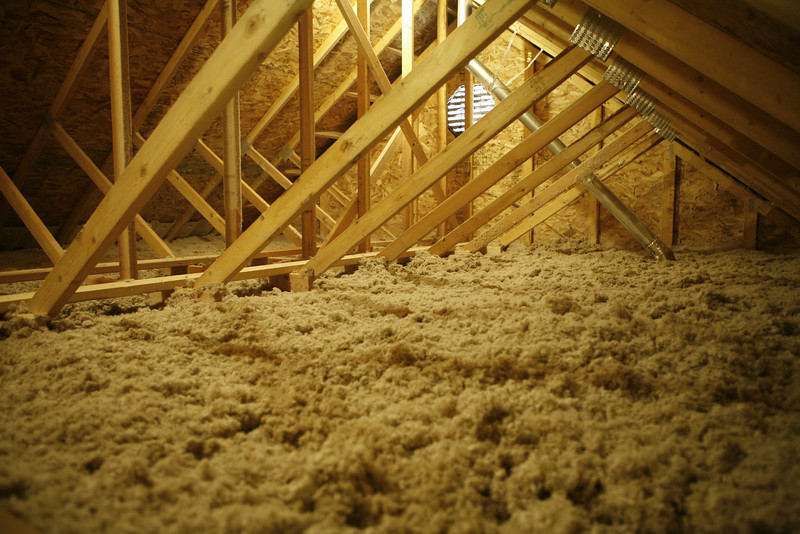
- Blown-in cellulose: Made from recycled paper, this material offers excellent coverage and can fill gaps around joists and beams.
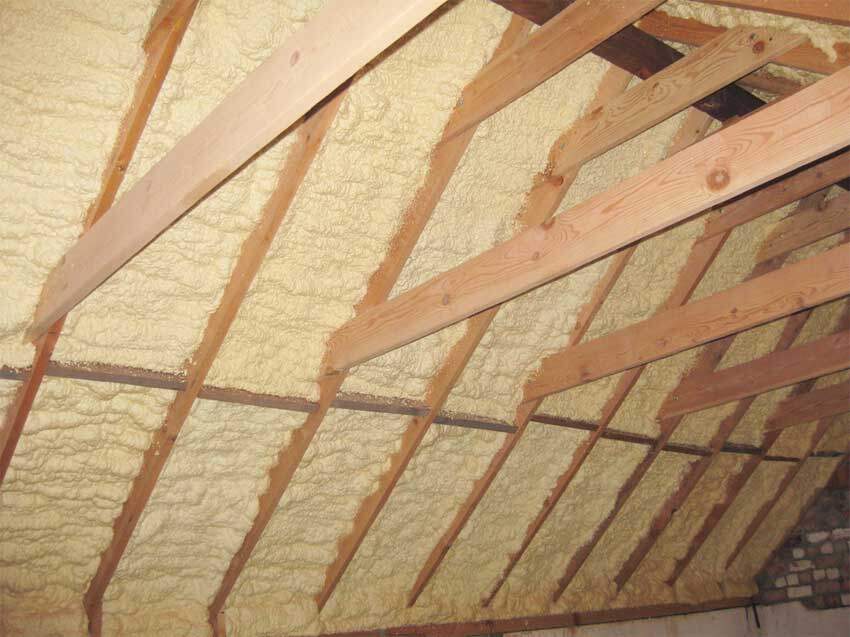
- Spray foam: Provides the highest R-value (a measure of thermal resistance) and creates an air-tight seal, but comes at a higher upfront cost.
- Rigid foam boards: Often used in new construction or major renovations, these boards offer strong insulation and moisture resistance.
The choice of material impacts not only the initial investment but also the long-term roof insulation effect on energy bills. Higher R-value materials generally provide better energy savings, but even basic upgrades can yield noticeable improvements.
How Insulation Reduces Heating and Cooling Costs
When your roof is properly insulated, your HVAC system doesn’t have to work as hard to maintain a comfortable temperature. This leads to:
- Lower monthly energy bills: Less energy is required to heat or cool your home, resulting in immediate savings.
- Reduced wear and tear on HVAC equipment: Systems that run less frequently last longer and require fewer repairs.
- Improved indoor comfort: Fewer drafts and more consistent temperatures throughout the house.
Studies from the U.S. Department of Energy show that homeowners can save up to 15% on heating and cooling costs by adding insulation to attics, floors, and crawl spaces. The attic is often the most cost-effective place to start, as it’s where the majority of heat loss occurs.
Signs Your Home May Need Better Roof Insulation
Not sure if your attic or roof is properly insulated? Here are some common indicators:
- Uneven temperatures between rooms or floors
- Ice dams forming on the roof in winter
- High heating or cooling bills, especially compared to similar homes
- Drafts or cold spots, particularly near the ceiling
- Visible gaps or thin insulation layers in the attic
If you notice any of these issues, it may be time to assess your attic’s insulation. Upgrading can be a cost-effective way to improve comfort and reduce expenses. For those planning a larger project, reviewing the asphalt roof replacement guide can help coordinate insulation upgrades with other roofing work.
Long-Term Benefits of Upgrading Attic Insulation
Beyond immediate savings, improving your home’s insulation offers several long-term advantages:
- Increased property value: Energy-efficient homes are more attractive to buyers and may command higher prices.
- Environmental impact: Using less energy reduces your home’s carbon footprint, contributing to a greener planet.
- Enhanced roof longevity: Proper insulation helps regulate attic temperatures, reducing the risk of moisture buildup and premature shingle deterioration.
- Better indoor air quality: Some insulation types can help prevent dust, pollen, and outdoor pollutants from entering your living space.
For homeowners with older roofs, combining insulation upgrades with a full tear-off or replacement can maximize efficiency. If you’re considering this, our resource on replacing old asphalt roof details what to expect during a major renovation.
Common Mistakes to Avoid When Insulating Your Roof
While adding insulation is generally straightforward, there are a few pitfalls to watch out for:
- Using the wrong type or insufficient amount of insulation for your climate zone
- Blocking attic ventilation, which can lead to moisture problems and mold growth
- Neglecting to seal air leaks before adding insulation
- Compressing insulation, which reduces its effectiveness
To ensure you get the most from your investment, it’s wise to consult with a professional or review tips on roofing mistakes to avoid before starting your project.
Frequently Asked Questions
How much can I save on energy bills by upgrading roof insulation?
On average, homeowners can expect to save between 10% and 20% on heating and cooling costs after improving attic insulation. The exact savings depend on your climate, existing insulation levels, and the type of material used.
Is it worth upgrading insulation if I plan to replace my roof soon?
Yes, combining insulation upgrades with a roof replacement is often the most efficient approach. It allows for better access, ensures compatibility between materials, and can maximize both energy savings and roof lifespan.
Can I install roof insulation myself, or should I hire a professional?
Some types of insulation, like fiberglass batts, can be installed by experienced DIYers. However, blown-in and spray foam insulation typically require specialized equipment and expertise. Consulting a professional ensures proper installation and optimal results.
Conclusion
Understanding the roof insulation effect on energy bills is key to making informed decisions about home efficiency. By choosing the right materials, addressing problem areas, and avoiding common mistakes, you can lower your utility costs, improve comfort, and increase the value of your property. Whether you’re planning a simple attic upgrade or a full roof replacement, investing in quality insulation pays off for years to come.