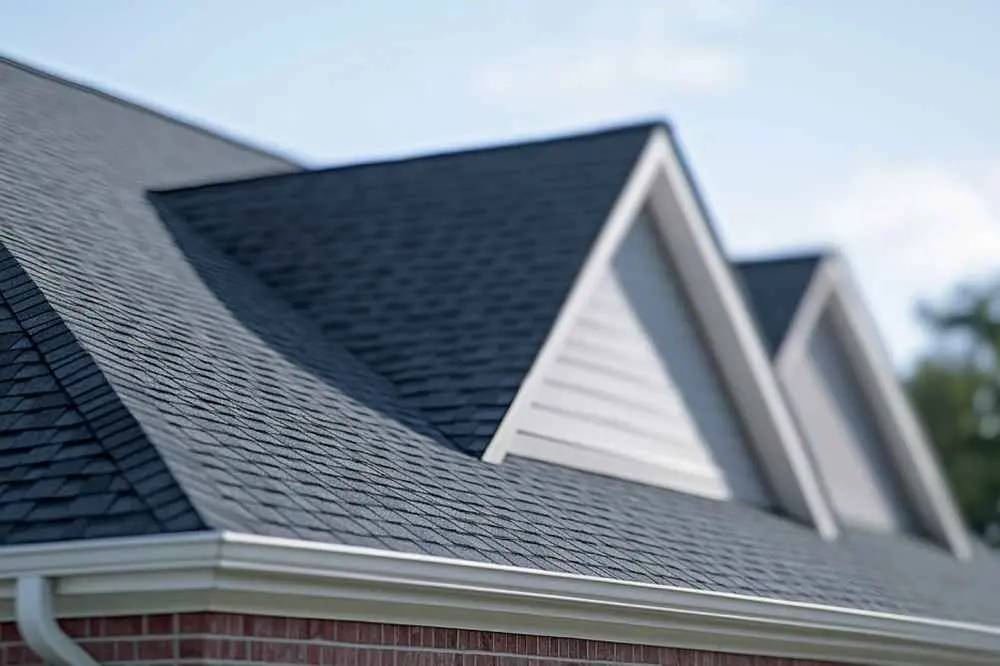
Laminated shingles have become a top choice for homeowners and roofing professionals seeking a balance of durability, style, and value. These multi-layered roofing materials, sometimes called architectural or dimensional shingles, are engineered to outperform traditional single-layer options in both protection and appearance. Whether you’re planning a new roof or considering an upgrade, understanding the benefits of this advanced shingle type can help you make a smarter investment in your home.
In this article, we’ll break down how multi-layered shingles are made, why they’re more resilient than basic 3-tab shingles, and what sets them apart in terms of curb appeal and long-term performance. If you’re budgeting for a roof replacement, it’s also helpful to compare the roof upgrade cost of premium shingle options to ensure you’re getting the best value for your money.
What Makes Laminated Shingles Different?
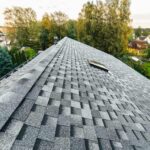
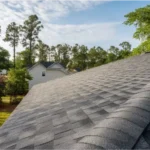
Unlike basic 3-tab shingles, which consist of a single flat layer, laminated shingles are constructed from two or more fused layers of asphalt and fiberglass. This multi-dimensional build gives them a thicker profile and a more textured, visually appealing look. The layering process not only boosts their strength but also allows manufacturers to create a variety of shapes and color blends that mimic the appearance of natural slate or wood shakes.
Key differences between laminated and traditional shingles include:
- Thickness: Multi-layered design provides added weight and resilience.
- Appearance: Varied shapes and shadow lines create a dimensional, upscale look.
- Durability: Enhanced resistance to wind, impact, and weathering.
- Warranty: Often come with longer manufacturer warranties compared to 3-tab options.
For a deeper dive into the basics of asphalt shingle construction, see this comprehensive guide to asphalt shingle roofs.
Advantages of Multi-Layered Roofing
Choosing a multi-layered shingle system offers several important benefits for homeowners. Let’s look at the most significant advantages:
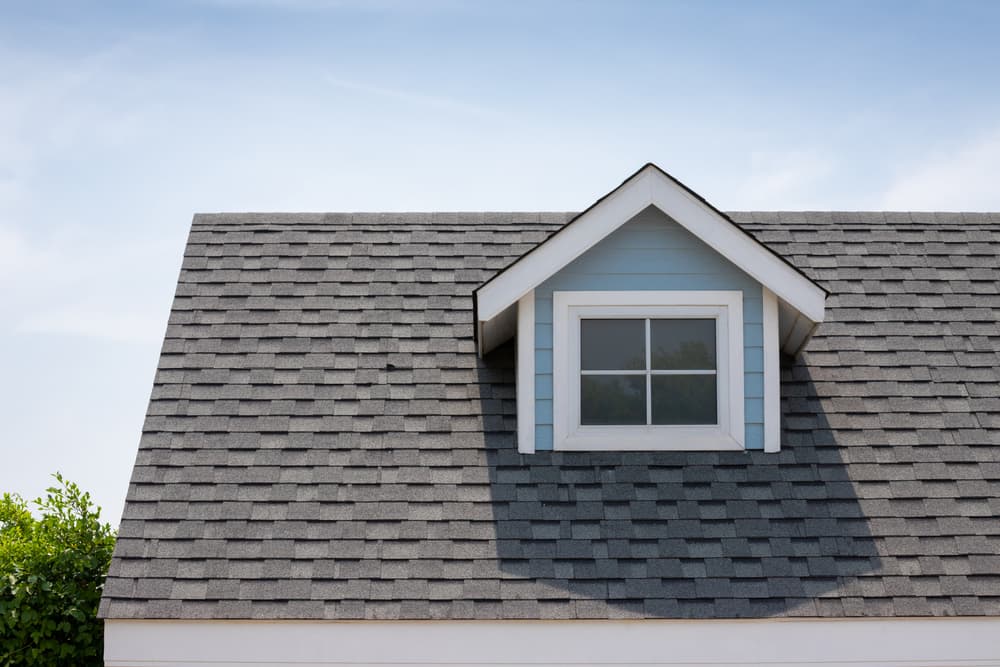
Superior Weather Protection
The extra thickness and layered structure of these shingles provide a robust barrier against harsh weather. They are engineered to withstand high winds, heavy rain, and hail better than their single-layer counterparts. Many products are rated for wind speeds up to 130 mph or more, making them ideal for regions prone to storms or severe weather.
Longer Lifespan and Lower Maintenance
Because of their sturdy construction, laminated options tend to last longer and require fewer repairs over time. The added weight helps prevent curling, cracking, and blow-offs, which are common issues with thinner shingles. This means fewer maintenance headaches and a longer interval before you need to consider a full replacement. For tips on maximizing the life of your roof, check out the asphalt roof replacement guide for planning and care strategies.
Enhanced Curb Appeal
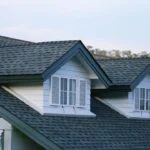
Multi-layered shingles are available in a wide range of colors and styles, allowing homeowners to achieve a customized look. The dimensional effect adds depth and character to the roof, boosting the overall appearance and potentially increasing property value. Many homeowners choose these shingles specifically for the visual upgrade they provide over flat, uniform 3-tab products.
Comparing Laminated and 3-Tab Shingles
To help you decide if upgrading is right for your home, here’s a side-by-side comparison of the two main types of asphalt shingles:
| Feature | Multi-Layered Shingles | 3-Tab Shingles |
|---|---|---|
| Construction | Two or more fused layers | Single flat layer |
| Appearance | Textured, dimensional, varied shapes | Flat, uniform look |
| Wind Resistance | Up to 130 mph | Typically 60–80 mph |
| Expected Lifespan | 25–40 years | 15–25 years |
| Warranty | Longer, often transferable | Shorter, basic coverage |
| Cost | Higher upfront, better long-term value | Lower upfront, may need earlier replacement |
While the initial investment for a multi-layered roof is higher, the extended lifespan and reduced maintenance can make it a more economical choice in the long run.
Installation and Maintenance Tips
Proper installation is key to getting the most from your new roof. Here are a few best practices:
- Work with a certified roofing contractor experienced in installing dimensional shingles.
- Ensure proper attic ventilation to prevent heat buildup and moisture issues.
- Use compatible sealants and fasteners as recommended by the manufacturer.
- Schedule regular inspections to catch minor issues before they become major repairs.
When it’s time to replace an aging roof, consider reading about replacing old asphalt roof techniques to understand the full tear-off process and how to avoid common pitfalls.

Common Mistakes to Avoid with Dimensional Shingles
Even the best roofing materials can underperform if not handled correctly. Some frequent errors to watch out for include:
- Poor nailing technique, which can lead to shingle blow-off.
- Improper alignment, resulting in uneven appearance and water infiltration.
- Neglecting underlayment or ice and water shield in vulnerable areas.
- Skipping attic ventilation, which can shorten the roof’s lifespan.
For a full list of issues and how to prevent them, review this resource on roofing mistakes to avoid during your next project.
Signs Your Roof Needs an Upgrade
If your current roof is showing signs of wear, it may be time to consider upgrading to a multi-layered system. Warning signs include:
- Missing, cracked, or curling shingles
- Granule loss and bald spots
- Frequent leaks or water stains in the attic
- Visible sagging or soft spots
Don’t wait for small issues to become major headaches. Learn more about asphalt roof failure signs so you know when to call a professional for an inspection or replacement.
Frequently Asked Questions
How long do laminated shingles typically last?
Most multi-layered shingles are rated for 25–40 years, depending on the product and installation quality. Proper maintenance and ventilation can help maximize their lifespan.
Are multi-layered shingles more expensive than 3-tab?
Yes, they usually cost more upfront. However, their longer lifespan and lower maintenance needs often make them a better value over time.
Can I install dimensional shingles over my old roof?
While some building codes allow a second layer, it’s generally best to remove the old roofing for optimal performance and warranty coverage. Consult a roofing professional for advice specific to your situation.
Do these shingles require special maintenance?
Routine inspections, keeping gutters clear, and addressing minor repairs promptly are usually sufficient. Their sturdy design tends to need less frequent attention than basic shingles.
Upgrading to a multi-layered roofing system offers superior protection, style, and value for homeowners who want peace of mind and long-lasting curb appeal. By understanding the benefits and best practices outlined here, you’ll be better equipped to make an informed decision for your next roofing project.