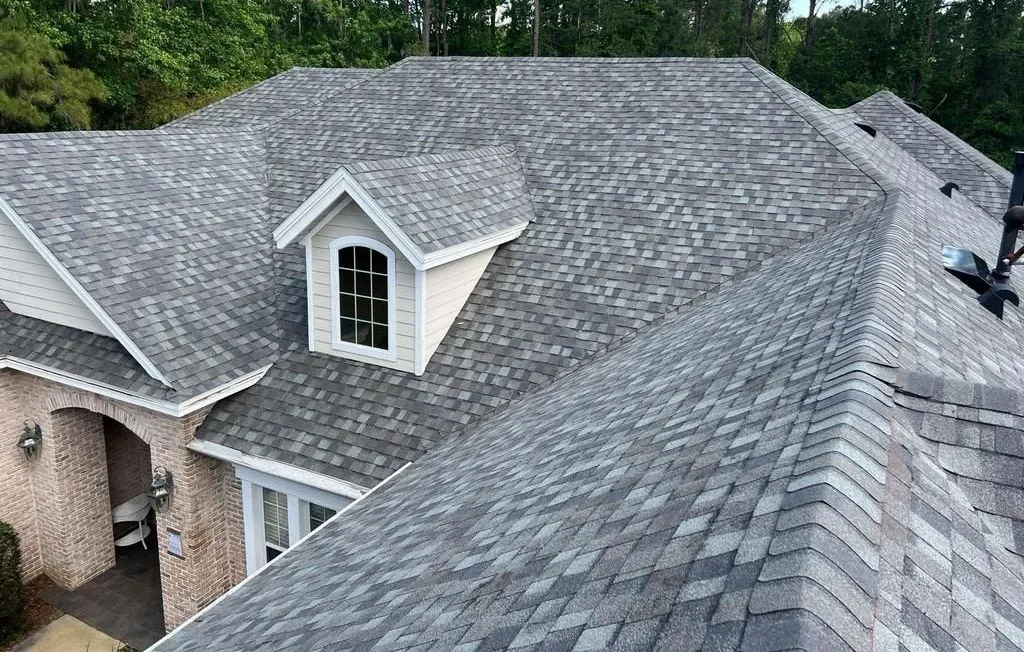
Asphalt shingle roofing is one of the most popular choices for residential roofs in North America. Its widespread use is due to a combination of affordability, durability, and ease of installation. Whether you’re building a new home or considering a roof replacement, understanding the basics of this roofing material can help you make an informed decision that suits your needs and budget.
This guide covers the essentials of asphalt shingle systems, including their composition, benefits, types, installation process, maintenance tips, and how they compare to other roofing options. If you’re also interested in exploring the types of asphalt shingles available, you’ll find more detailed information on the different styles and their unique features.
Understanding the Basics of Asphalt Shingle Roofs
At its core, an asphalt shingle roof is a layered system designed to protect your home from the elements. The shingles themselves are flat, rectangular pieces made from a fiberglass or organic mat, coated with asphalt and topped with mineral granules. These components work together to provide water resistance, UV protection, and a finished appearance.
There are several reasons why homeowners and contractors choose this material:
- Affordability: Asphalt shingles are cost-effective compared to many other roofing materials.
- Ease of Installation: Their design allows for quick and straightforward installation, reducing labor costs.
- Versatility: Available in a wide range of colors and styles to match any architectural design.
- Durability: Modern shingles can last 20-30 years or more with proper care.
Key Components and Structure
To understand how these roofs function, it’s helpful to break down the main layers and materials involved:
- Base Mat: The foundation of the shingle, made from fiberglass or organic felt, provides strength and flexibility.
- Asphalt Coating: Adds waterproofing and binds the granules to the mat.
- Mineral Granules: Protect the shingle from UV rays and add color and texture.
- Sealant Strips: Help bond the shingles together, improving wind resistance.
The entire roofing system also includes underlayment, flashing, and ventilation components, which work together to prevent leaks and extend the roof’s lifespan.
Types of Asphalt Shingles and Their Features
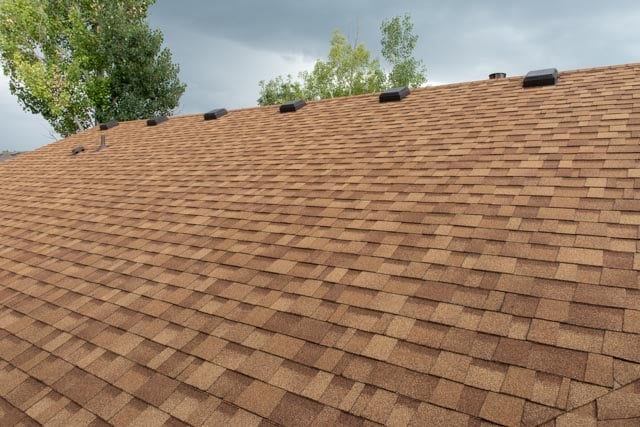
There are three primary categories of asphalt shingles, each offering different levels of performance and curb appeal:
- 3-Tab Shingles: The most basic and economical option, featuring a flat, uniform look. They’re lightweight and easy to install, but typically have a shorter lifespan.
- Architectural (Dimensional) Shingles: Thicker and more durable, these shingles have a layered appearance that mimics wood shakes. They offer better wind resistance and longer warranties.
- Luxury Shingles: Designed to replicate slate or cedar shakes, these are the heaviest and most premium option, providing enhanced durability and a high-end look.
For a deeper dive into the types of asphalt shingles and how to choose the right one for your home, refer to our comprehensive breakdown.
Benefits of Choosing Asphalt Shingles
Opting for this roofing material brings several advantages:
- Wide Availability: Readily available at most building supply stores and through contractors.
- Low Maintenance: Requires minimal upkeep compared to wood or tile roofs.
- Fire Resistance: Fiberglass-based shingles offer good fire protection.
- Energy Efficiency: Many modern shingles are designed to reflect solar heat, helping to keep homes cooler.
Additionally, asphalt shingles are compatible with various roof shapes and slopes, making them a flexible solution for many architectural styles.
Installation and Maintenance Tips
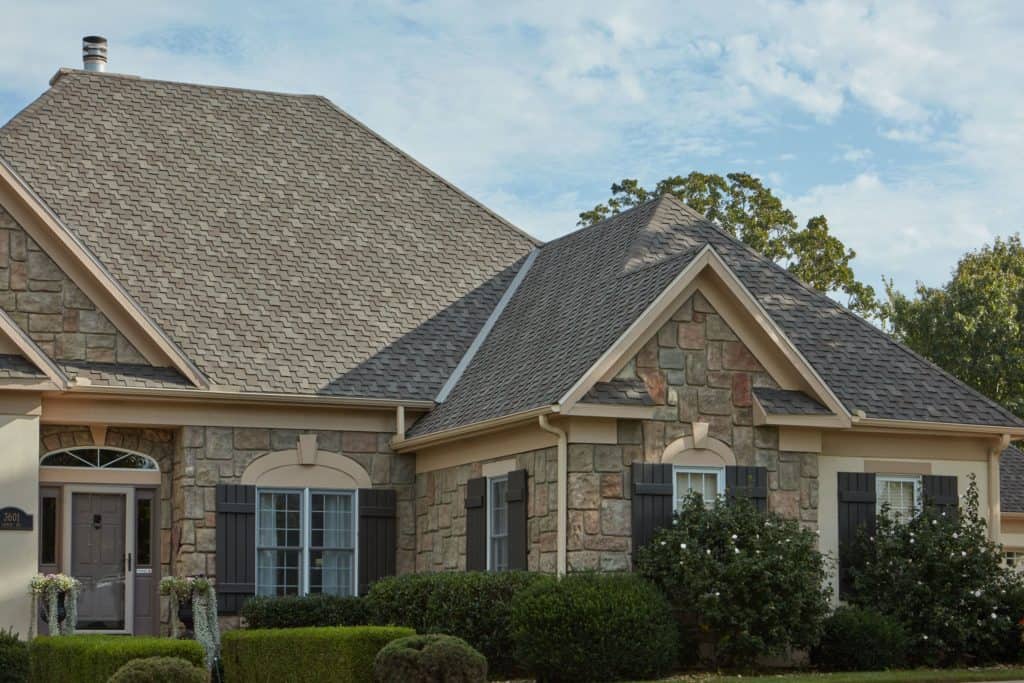
Proper installation is crucial for maximizing the lifespan and performance of your roof. While many homeowners hire professionals, some choose to tackle the project themselves. Key steps include:
- Removing old roofing materials and inspecting the decking for damage.
- Installing underlayment and flashing to prevent leaks.
- Laying shingles from the bottom up, overlapping each row for water runoff.
- Sealing edges and ridges for added wind resistance.
Regular maintenance involves inspecting for missing or damaged shingles, clearing debris from gutters, and checking for algae or moss growth. Prompt repairs can prevent minor issues from becoming major problems.
Comparing Asphalt Shingles to Other Roofing Materials
While asphalt shingles are a leading choice, it’s worth comparing them to alternatives like metal, tile, or wood shakes. Here’s how they stack up:
| Material | Average Lifespan | Cost | Maintenance | Appearance |
|---|---|---|---|---|
| Asphalt Shingles | 20-30 years | Low | Low | Variety of colors/styles |
| Metal Roofing | 40-70 years | Medium-High | Low | Modern/industrial |
| Clay/Concrete Tile | 50+ years | High | Medium | Distinctive/Spanish |
| Wood Shakes | 20-40 years | Medium-High | High | Natural/rustic |
Asphalt shingles offer a balance of affordability, reliability, and visual appeal, making them a practical option for most homeowners.
Environmental Considerations
Many modern asphalt shingles are designed with sustainability in mind. Manufacturers increasingly use recycled materials in production, and old shingles can sometimes be recycled into road paving materials. Choosing ENERGY STAR-rated products can also improve your home’s energy efficiency.
Common Questions About Asphalt Shingle Roofs
How long do asphalt shingles typically last?
Most standard asphalt shingles last between 20 and 30 years, depending on the quality of the product, installation, and local climate. Architectural and luxury shingles can last even longer with proper care.
Can asphalt shingles withstand severe weather?
High-quality shingles are engineered to resist wind, hail, and heavy rain. Some products are rated for wind speeds up to 130 mph. However, extreme weather events can still cause damage, so regular inspections are recommended.
Are there any drawbacks to using asphalt shingles?
While these roofs offer many benefits, they can be susceptible to algae growth in humid climates and may not last as long as metal or tile options. Proper ventilation and maintenance can help address these concerns.
Further Resources and Innovations
For those interested in the latest advancements, there are exciting developments in roofing technology, such as innovations in solar roofing and energy-efficient materials. Staying informed about new products and installation methods can help you make the most of your investment.
If you want to learn more, check out this in-depth overview of asphalt shingle roofing systems for additional insights and expert advice.
Choosing the right roofing material is a significant decision for any homeowner. By understanding the structure, benefits, and maintenance needs of asphalt shingle roofs, you can ensure your home stays protected and looks great for years to come.