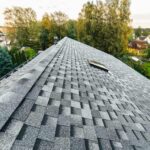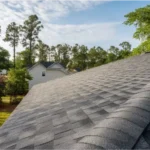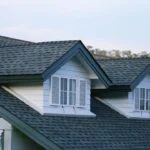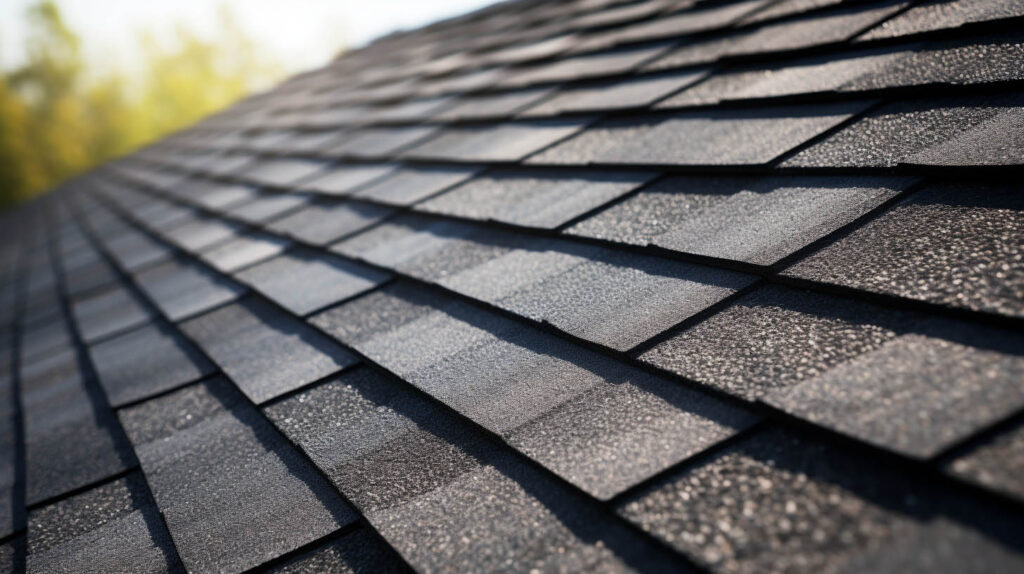
Asphalt shingles are among the most popular roofing materials in North America, known for their durability, affordability, and ease of installation. Understanding how asphalt shingles work can help homeowners make informed decisions about roof maintenance, repairs, and replacements. This guide explores the layered structure of asphalt shingles, how each component contributes to weather protection, and what sets this roofing system apart from other options.
For a comprehensive overview of performance, costs, and design options, you can explore our asphalt roof overview for additional insights.
The Anatomy of Asphalt Shingles
To understand the effectiveness of this roofing material, it’s important to look at its composition. Asphalt shingles are engineered in layers, each with a distinct function:
- Base Mat: The foundation of the shingle, typically made from fiberglass or organic materials, provides structural integrity and flexibility.
- Asphalt Coating: This layer is saturated with asphalt, making the shingle waterproof and resistant to weather damage.
- Mineral Granules: The topmost layer consists of colored granules that protect against UV rays, add fire resistance, and enhance the roof’s appearance.
- Sealant Strips: Adhesive strips help bond shingles together, improving wind resistance and preventing water infiltration.
Each layer works together to shield your home from rain, wind, sun, and temperature fluctuations. The combination of materials ensures a balance between strength, flexibility, and longevity.
How the Layers Provide Protection
The multi-layered design of asphalt shingles is key to their protective qualities. Here’s how each part contributes to keeping your home safe:
- Waterproofing: The asphalt coating repels water, preventing leaks and moisture damage to the underlying roof deck.
- Wind Resistance: Sealant strips and overlapping installation techniques help shingles stay in place during storms and high winds.
- UV Protection: Mineral granules shield the asphalt from the sun’s rays, reducing the risk of cracking, drying, and premature aging.
- Fire Resistance: Fiberglass mats and mineral granules contribute to a higher fire rating compared to some other roofing materials.
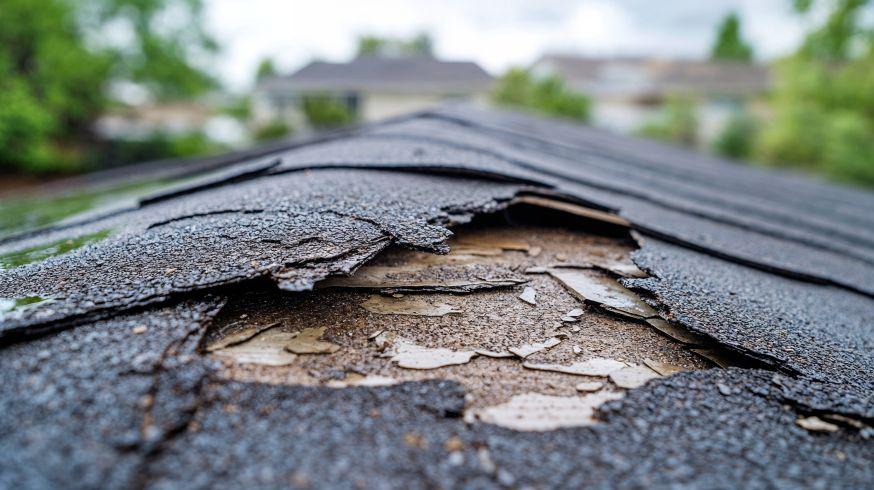
Proper installation and maintenance are crucial for maximizing these benefits. Damaged or missing shingles can compromise the entire system, so regular inspections are recommended.
Types of Asphalt Shingles and Their Construction
There are several varieties of asphalt shingles, each offering unique benefits and construction details. The most common types include:
- 3-Tab Shingles: These are flat, single-layered shingles with a uniform appearance. They are lightweight and cost-effective, making them a popular choice for budget-conscious homeowners.
- Architectural Shingles: Also known as dimensional or laminate shingles, these have multiple layers for added thickness and a more textured look. They offer improved durability and longer warranties.
- Luxury Shingles: Designed to mimic the appearance of slate or wood shake, luxury shingles are heavier, more robust, and offer enhanced weather resistance.
If you want to learn more about the differences between these options, visit our detailed guide on types of asphalt shingles.
Installation Process and Layering Techniques
The effectiveness of an asphalt shingle roof depends not only on the materials but also on proper installation. Here’s a simplified overview of the typical installation process:
- Deck Preparation: The roof deck is inspected and repaired as needed to ensure a solid foundation.
- Underlayment Application: A waterproof underlayment is rolled out over the deck to provide an extra layer of moisture protection.
- Starter Strip Installation: Special starter shingles are placed along the eaves to prevent wind uplift and water infiltration at the roof’s edge.
- Shingle Placement: Shingles are installed in overlapping rows, starting at the bottom edge and working upward. Each row covers the nails and seams of the row below, creating a watertight barrier.
- Ridge Cap Shingles: The roof’s peak is finished with specially designed ridge cap shingles for added protection and a finished look.
Attention to detail during installation is vital for ensuring the roof’s longevity and performance. Poorly installed shingles can lead to leaks, wind damage, and reduced lifespan.
Maintenance and Longevity of Asphalt Shingle Roofs
Routine care is essential for maximizing the lifespan of your shingle roof. Here are some tips to help you get the most out of your investment:
- Regular Inspections: Check for cracked, curled, or missing shingles after storms or at least twice a year.
- Clean Gutters: Keep gutters clear to prevent water backup and ice dams, which can damage shingles and the underlying structure.
- Remove Debris: Clear leaves, branches, and moss from the roof surface to avoid moisture retention and granule loss.
- Prompt Repairs: Address minor issues quickly to prevent leaks and more extensive damage.
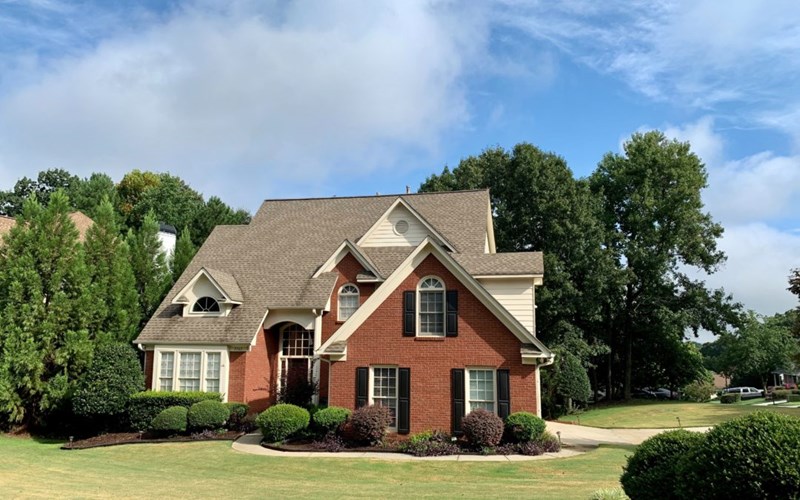
With proper installation and maintenance, asphalt shingle roofs typically last 15 to 30 years, depending on the product and climate conditions.
Comparing Asphalt Shingles to Other Roofing Materials
While asphalt shingles are a top choice for many homeowners, it’s helpful to compare them with other roofing materials:
| Roofing Material | Average Lifespan | Cost | Maintenance |
|---|---|---|---|
| Asphalt Shingles | 15–30 years | Low to Moderate | Low |
| Metal Roofing | 40–70 years | High | Low |
| Wood Shingles | 20–40 years | Moderate to High | Moderate |
| Slate | 50–100+ years | Very High | Low |
Asphalt shingles offer a balance of affordability, ease of installation, and reliable protection, making them a practical option for a wide range of homes. For more details on the basics, see what is asphalt shingle roofing.
Further Resources and Industry Insights
For those interested in exploring the various types available, this guide to asphalt roofing shingle types provides a helpful comparison of features and benefits. Staying informed about new developments in roofing technology can also help you make the best choices for your home.
Frequently Asked Questions
What makes asphalt shingles waterproof?
The asphalt coating in each shingle acts as a waterproof barrier, preventing rain and moisture from reaching the roof deck. The overlapping installation further enhances water resistance by directing runoff away from seams and fasteners.
How often should I inspect my asphalt shingle roof?
It’s recommended to inspect your roof at least twice a year—typically in the spring and fall—and after severe weather events. Early detection of damage can help prevent leaks and extend the life of your roof.
Can damaged shingles be repaired individually?
Yes, individual shingles that are cracked, curled, or missing can often be replaced without redoing the entire roof. Prompt repairs help maintain the integrity of the roofing system and prevent more extensive issues.