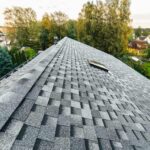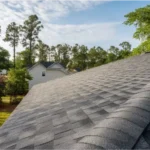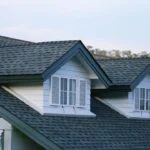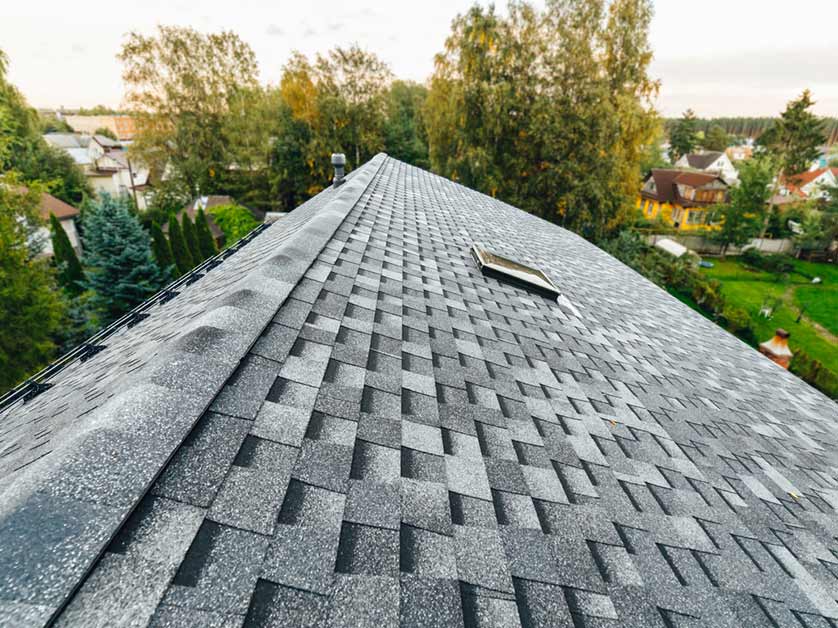
Choosing the right roofing material is a major decision for any homeowner or property manager. Among the most popular choices in North America, asphalt roofs stand out for their affordability, versatility, and proven track record. This asphalt roof overview explores how these systems perform, what you can expect in terms of costs, and the wide range of design possibilities available today.
Whether you’re planning a new build or considering a replacement, understanding the strengths and limitations of asphalt roofing will help you make an informed decision. For those interested in the specific types of asphalt shingles available—such as 3-tab, architectural, and luxury options—there are resources that dive deeper into their unique characteristics and benefits.
Understanding Asphalt Roofing Systems
Asphalt shingles are the most widely used roofing material in the United States, covering millions of homes and buildings. Their popularity is rooted in a combination of cost-effectiveness, ease of installation, and a variety of design choices. In this section, we’ll break down the core components of an asphalt roof and how they contribute to overall performance.
At its core, an asphalt shingle consists of a fiberglass or organic mat, which is then coated with asphalt and topped with ceramic granules. This layered construction provides durability, weather resistance, and a range of color and texture options. The shingles are installed in overlapping rows, creating a watertight barrier that protects the underlying structure from rain, snow, and wind.
There are three main categories of asphalt shingles: 3-tab, architectural (also called dimensional), and luxury. Each type offers different levels of thickness, durability, and visual appeal. For a more detailed comparison, see the linked resource on types of asphalt shingles.
Performance: Durability and Weather Resistance
One of the main reasons homeowners choose asphalt roofing is its reliable performance in a variety of climates. Modern asphalt shingles are engineered to withstand wind, rain, hail, and even moderate impacts. Many products are rated to resist winds up to 110–130 mph, and some premium options can handle even higher gusts.
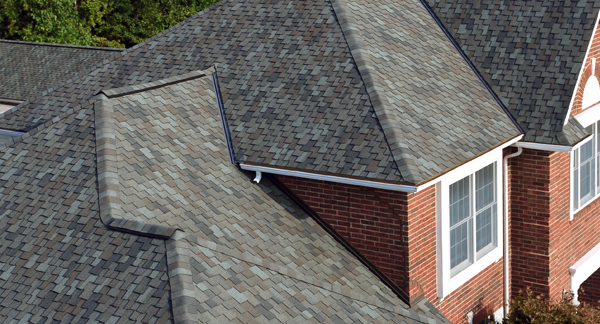
Asphalt shingles also offer good fire resistance, especially those with fiberglass mats. They are less prone to algae and moss growth when treated with special granules. However, like any roofing material, their lifespan and performance depend on installation quality, attic ventilation, and ongoing maintenance.
On average, standard 3-tab shingles last 15–20 years, while architectural and luxury shingles can reach 25–30 years or more with proper care. Regular inspections and prompt repairs—such as sealing minor leaks or replacing damaged shingles—can extend the life of your roof.
Cost Considerations: Installation and Lifetime Value
Affordability is a key reason asphalt roofing remains a top choice. The initial cost per square foot is typically lower than metal, tile, or slate alternatives. For most homes, installation costs range from $3 to $6 per square foot, including materials and labor. Factors that influence the final price include roof size and pitch, local labor rates, and the type of shingle selected.
While the upfront investment is modest, it’s important to consider long-term value. Higher-quality architectural or luxury shingles cost more initially but offer greater durability and curb appeal. Additionally, asphalt roofs are relatively easy and inexpensive to repair compared to other systems.
Homeowners can further maximize value by choosing shingles with extended warranties, which often cover manufacturing defects and weather-related damage for up to 30 years. Routine maintenance, such as cleaning gutters and removing debris, also helps prevent costly issues down the line.
Design Options: Colors, Styles, and Curb Appeal
Today’s asphalt shingles come in a wide array of colors, textures, and profiles, allowing homeowners to match almost any architectural style. From classic grays and browns to bold reds and greens, the color palette is extensive. Some manufacturers even offer shingles that mimic the look of wood shakes, slate, or tile, providing premium aesthetics at a fraction of the cost.
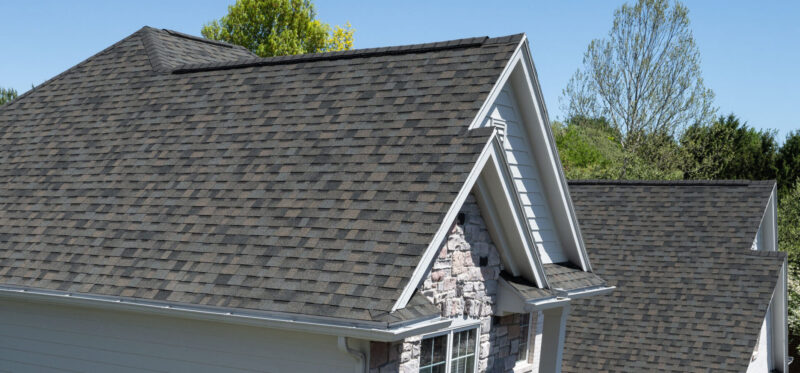
Architectural shingles, in particular, offer a dimensional appearance with varied shapes and shadow lines, enhancing the visual depth of the roof. Luxury shingles provide even more intricate designs and can closely replicate the look of high-end materials. When selecting a style, consider your home’s exterior color scheme, neighborhood guidelines, and desired level of distinction.
Comparing Asphalt Roofs to Other Materials
While asphalt shingles are the most common choice, it’s helpful to compare them with other roofing materials. Metal roofs, for example, offer exceptional longevity (40–70 years) and energy efficiency, but at a higher upfront cost. Tile and slate provide unmatched durability and classic aesthetics, yet they require reinforced roof structures and significant investment.
Asphalt roofing strikes a balance between affordability, ease of installation, and design flexibility. For many homeowners, this makes it the most practical option. However, those seeking longer lifespans or unique architectural statements may consider alternatives, weighing the pros and cons based on their specific needs and budget.
For those interested in the intersection of traditional roofing and modern technology, exploring innovations in solar roofing can reveal how asphalt shingles are being integrated with solar panels and energy-efficient solutions.
Maintenance Tips for Asphalt Shingle Roofs
Proper maintenance is essential for maximizing the lifespan and performance of your roof. Here are some practical tips:
- Inspect your roof at least twice a year, especially after severe weather.
- Clear debris, leaves, and branches from the roof surface and gutters.
- Check for cracked, curled, or missing shingles and replace them promptly.
- Seal minor leaks with appropriate roofing sealant to prevent water damage.
- Trim overhanging tree limbs to reduce the risk of impact damage and moss growth.
By following these steps, you can help prevent minor issues from becoming major repairs and extend the useful life of your investment.
Environmental Impact and Recycling
Asphalt shingles are petroleum-based, which raises concerns about their environmental footprint. However, many manufacturers are now producing shingles with recycled content, and old shingles can often be recycled into road paving materials. When replacing your roof, ask your contractor about recycling options in your area to help reduce landfill waste.
Warranties and What to Look For
Most asphalt shingle manufacturers offer warranties ranging from 20 to 50 years, depending on the product line. It’s important to read the fine print: some warranties cover only manufacturing defects, while others include coverage for wind, algae resistance, and even labor costs for replacement. Always register your warranty after installation and keep documentation for future reference.
Expert Resources and Further Reading
For a deeper dive into the technical aspects and latest trends, you can consult resources like this comprehensive guide to asphalt shingle roofs from industry professionals. Staying informed will help you make the best choices for your home and budget.
Frequently Asked Questions
How long does an asphalt shingle roof typically last?
Standard 3-tab shingles usually last 15–20 years, while architectural and luxury options can last 25–30 years or more with proper installation and maintenance.
Are asphalt shingles suitable for all climates?
Asphalt shingles perform well in most climates, but extreme heat or rapid temperature changes can shorten their lifespan. Choosing shingles rated for your region’s weather conditions is important for optimal performance.
Can asphalt shingles be installed over an existing roof?
In some cases, building codes allow a new layer of shingles to be installed over an old one, but this depends on local regulations and the condition of the existing roof. It’s best to consult a roofing professional for guidance.