Asphalt shingles are among the most popular roofing materials in North America, valued for their affordability, versatility, and ease of installation. If you’re considering a new roof or planning for future maintenance, understanding the typical lifespan of these shingles is essential. Homeowners often ask: how long do asphalt shingles last, and what factors influence their longevity?
This guide explores the expected durability of different types of asphalt shingles, key factors that impact their service life, and practical tips to maximize your roof’s performance. We’ll also cover when it’s time to consider a replacement and how to spot early warning signs of wear. For those budgeting for a new roof, check out this detailed overview of roof upgrade cost to help plan your investment.
Typical Lifespan of Asphalt Shingle Roofs
The answer to how long do asphalt shingles last depends on the type of shingle, installation quality, and environmental conditions. Most asphalt shingle roofs fall into one of three main categories:
- 3-tab shingles: These are the most basic and economical option. With proper installation and maintenance, 3-tab shingles usually last 15–20 years.
- Architectural (dimensional) shingles: Thicker and more durable, these shingles often come with warranties of 25–30 years and can sometimes last longer under ideal conditions.
- Premium/luxury shingles: Designed to mimic slate or wood shake, these high-end products can have a service life of 30–40 years or more, though they come at a higher price point.
Keep in mind, these are general ranges. Real-world performance is influenced by climate, roof pitch, ventilation, and the quality of both materials and installation.
Key Factors Affecting Shingle Longevity
Several variables can shorten or extend the life expectancy of your asphalt shingle roof:
- Climate and weather: Extreme heat, severe cold, hail, and frequent storms can accelerate wear. UV exposure is a major factor in aging shingles.
- Roof orientation and pitch: South-facing and low-slope roofs tend to age faster due to increased sun exposure and slower water runoff.
- Ventilation: Proper attic ventilation helps prevent heat and moisture buildup, both of which can degrade shingles prematurely.
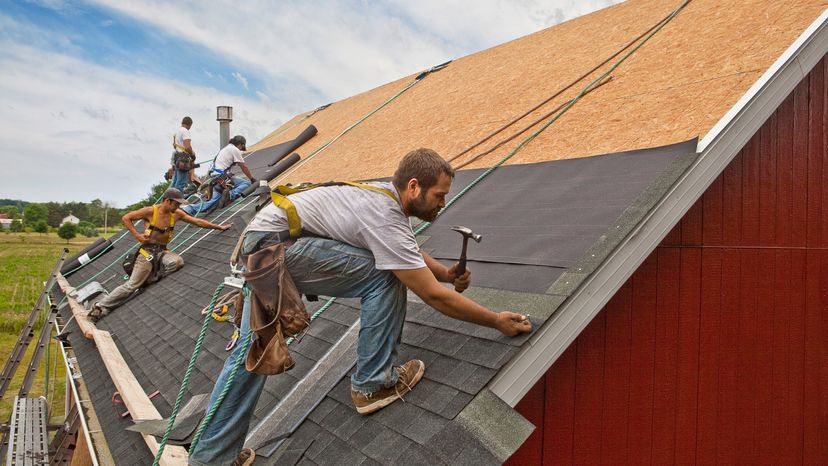
- Installation quality: Even the best shingles won’t last if installed incorrectly. Poor nailing, inadequate underlayment, or improper flashing can all reduce lifespan.
- Maintenance: Regular inspections, prompt repairs, and keeping the roof clear of debris can help shingles reach their maximum potential.
For a deeper dive into what makes up an asphalt shingle roof, see this comprehensive explanation of asphalt shingle roofing systems.
Comparing 3-Tab, Architectural, and Luxury Shingles
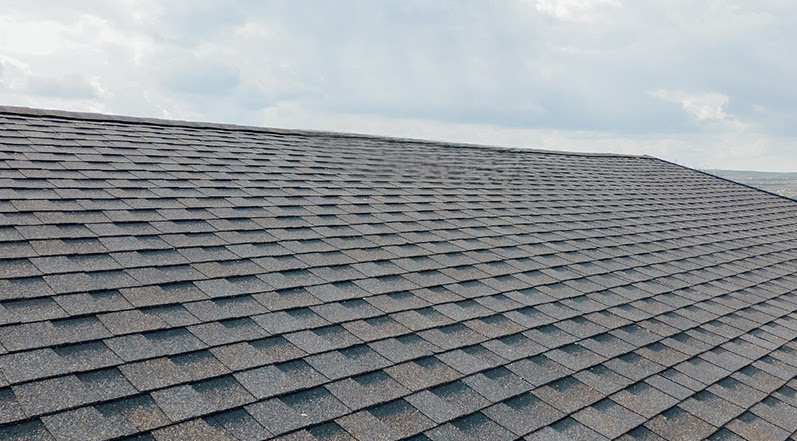
When evaluating asphalt shingle lifespan, it’s helpful to compare the three main product categories side by side:
| Shingle Type | Average Lifespan | Typical Warranty | Best For |
|---|---|---|---|
| 3-Tab | 15–20 years | 20–25 years | Budget-conscious, rental properties |
| Architectural | 25–30 years | 30–50 years | Most homes, improved curb appeal |
| Luxury/Premium | 30–40+ years | Up to lifetime | High-end homes, historic restorations |
Architectural shingles are now the most common choice for residential roofs, offering a strong balance of durability, appearance, and value. For more on planning a replacement, see our asphalt roof replacement guide.
Signs Your Asphalt Shingles Are Nearing the End
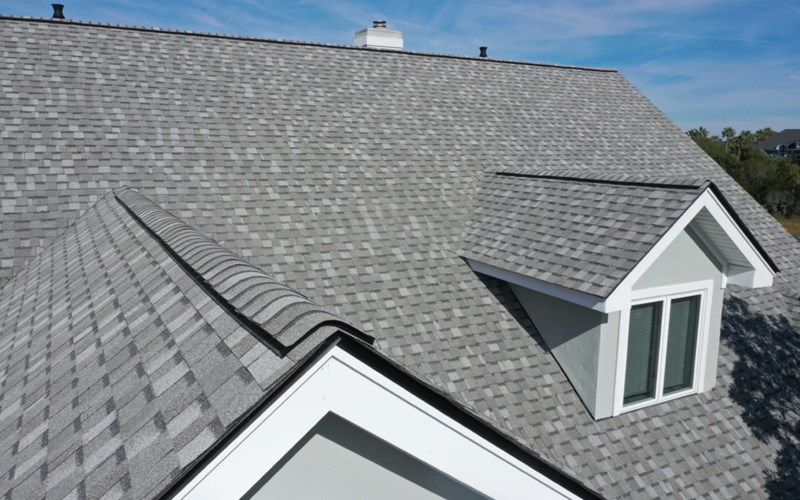
Even the best-maintained roof will eventually show signs of aging. Watch for these indicators that your shingles may need replacement soon:
- Curling or cupping: Edges of shingles lift or curl, making them more vulnerable to wind and water.
- Cracking or splitting: Brittle shingles can crack due to age or thermal cycling.
- Granule loss: Excessive granules in gutters or bare spots on shingles signal advanced wear.
- Missing shingles: Gaps expose the roof deck to moisture and can lead to leaks.
- Algae or moss growth: While not always a structural issue, heavy growth can trap moisture and speed up deterioration.
If you notice these problems, it’s wise to consult a professional. For a checklist of warning signs, see our article on asphalt roof failure signs.
How to Extend the Life of Your Shingle Roof
While you can’t control the weather, you can take steps to help your roof last as long as possible:
- Schedule annual inspections to catch minor issues before they become major problems.
- Clean gutters regularly to prevent water backup and ice dams.
- Trim overhanging branches to reduce shade, debris, and the risk of impact damage.
- Address leaks or missing shingles promptly to avoid moisture intrusion and rot.
- Ensure proper attic ventilation to minimize heat and moisture buildup under the roof deck.
Using quality sealants and replacement shingles for repairs can also help preserve your roof’s integrity. If you’re tackling a DIY project, be sure to avoid common roofing mistakes to avoid for a longer-lasting result.
When to Replace Your Asphalt Shingle Roof
Most homeowners start thinking about replacement when their roof is between 20 and 30 years old, or when repairs become frequent and costly. If your roof is approaching the end of its expected service life, or if you’re seeing widespread damage, it may be time for a full tear-off. For a step-by-step overview, read our guide on replacing old asphalt roof.
Modern asphalt shingles offer improved durability and longer warranties than ever before. Investing in a quality product and professional installation can help you get the most value from your new roof.
Frequently Asked Questions
What is the average lifespan of a residential asphalt shingle roof?
Most residential asphalt shingle roofs last between 20 and 30 years, depending on the type of shingle, climate, and how well the roof is maintained. Architectural shingles tend to last longer than basic 3-tab options.
Can asphalt shingles last longer than their warranty period?
It’s possible for high-quality shingles, especially architectural or premium types, to outlast their warranty if installed correctly and maintained well. However, harsh weather, poor ventilation, or installation errors can shorten their effective life.
How do I know if my shingles need to be replaced?
Look for signs such as curling, cracking, missing shingles, or significant granule loss. If your roof is over 20 years old and showing multiple signs of wear, it’s wise to consult a roofing professional for an assessment.
Does climate affect how long asphalt shingles last?
Yes, roofs in areas with extreme heat, cold, heavy rain, or frequent storms may age faster. UV exposure and rapid temperature changes can also reduce shingle longevity.
Is it worth upgrading to architectural or premium shingles?
Upgrading to architectural or luxury shingles can provide better durability, longer warranties, and improved curb appeal. The investment may pay off in fewer repairs and a longer-lasting roof.