As more homeowners and businesses invest in solar roofing, understanding how to track and optimize the output of these systems becomes increasingly important. Solar roofing performance monitoring is the process of collecting, analyzing, and acting on data from your solar roof to ensure it operates at peak efficiency. This guide covers the essentials of monitoring, the benefits it brings, and how to make the most of your solar investment.
Whether you are considering a new installation or looking to get more from your existing solar roof, knowing how to monitor performance helps you maximize energy production, identify issues early, and extend the lifespan of your system. If you’re also thinking about upgrading your roof, you may want to explore the roof upgrade cost for high-performance shingles, which can complement your solar setup.
Why Monitoring Solar Roofing Output Matters
Keeping track of your solar roof’s performance is crucial for several reasons. First, it allows you to verify that your system is producing the amount of energy it should. If output drops unexpectedly, monitoring tools can help you pinpoint the cause—whether it’s shading, dirt buildup, or a technical fault. Regular monitoring also supports warranty claims, as you’ll have a record of system performance over time.
Additionally, performance tracking helps you understand your energy consumption patterns. By comparing production with usage, you can adjust your habits to maximize self-consumption and reduce reliance on the grid. This can lead to significant savings on your electricity bills and a quicker return on your solar investment.
Key Components of Solar Roofing Performance Monitoring
Modern solar roofs are equipped with a range of technologies to facilitate effective monitoring. Here are the main components involved:
- Inverters with Monitoring Capabilities: Most solar inverters now come with built-in monitoring features, allowing you to track real-time and historical energy production.
- Module-Level Monitoring: Some advanced systems offer monitoring at the individual panel or shingle level, making it easier to detect localized issues.
- Online Dashboards and Mobile Apps: Many manufacturers provide user-friendly interfaces where you can view performance data, set alerts, and download reports.
- Environmental Sensors: Sensors can track temperature, sunlight, and other factors that affect output, providing context for performance fluctuations.
By leveraging these tools, you gain a comprehensive view of your solar roof’s health and can make informed decisions about maintenance and upgrades.
How to Set Up and Use a Solar Roof Monitoring System
Getting started with monitoring your solar roof is straightforward, especially with today’s plug-and-play solutions. Here’s a step-by-step overview:
- Choose the Right Monitoring Solution: Check if your inverter or solar roof manufacturer provides a dedicated monitoring platform. If not, third-party solutions are available that can integrate with most systems.
- Connect to the Internet: Most monitoring devices require a Wi-Fi or Ethernet connection to upload data to the cloud, enabling remote access from any device.
- Register and Configure Your Account: Set up your online dashboard or app, linking it to your specific installation. This may involve entering serial numbers or scanning QR codes.
- Set Alerts and Notifications: Configure the system to notify you of performance drops, faults, or maintenance reminders.
- Review Data Regularly: Make it a habit to check your dashboard weekly or monthly. Look for trends, sudden changes, or underperforming panels.
Proper setup ensures you receive timely information and can act quickly if your system’s output falls below expectations.
Common Issues Detected by Performance Monitoring
One of the biggest advantages of monitoring is the ability to catch problems early. Some of the most frequent issues identified include:
- Shading: New tree growth or debris can block sunlight, reducing output. Monitoring helps you spot these drops quickly.
- Soiling: Dust, pollen, or bird droppings can accumulate on panels or shingles, lowering efficiency. Regular cleaning, using tools like a roof cleaning brush, can restore performance.
- Equipment Malfunctions: Inverter faults, wiring issues, or failed modules can all cause sudden drops in production. Monitoring systems often pinpoint the exact location of the problem.
- Weather Impacts: Extreme temperatures or storms may temporarily affect output. Environmental sensors help distinguish between normal weather-related dips and more serious issues.
By addressing these problems promptly, you protect your investment and ensure your solar roof delivers reliable energy year-round.
Comparing Solar Roof Monitoring to Traditional Panel Systems
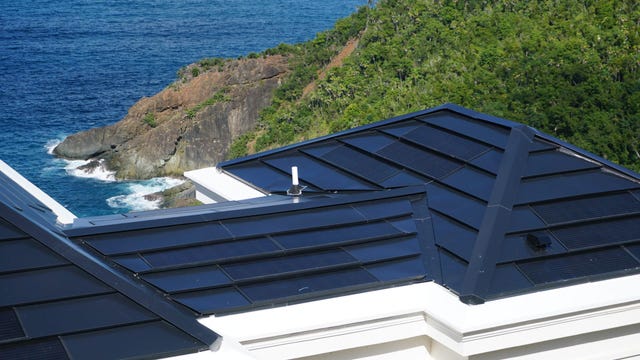
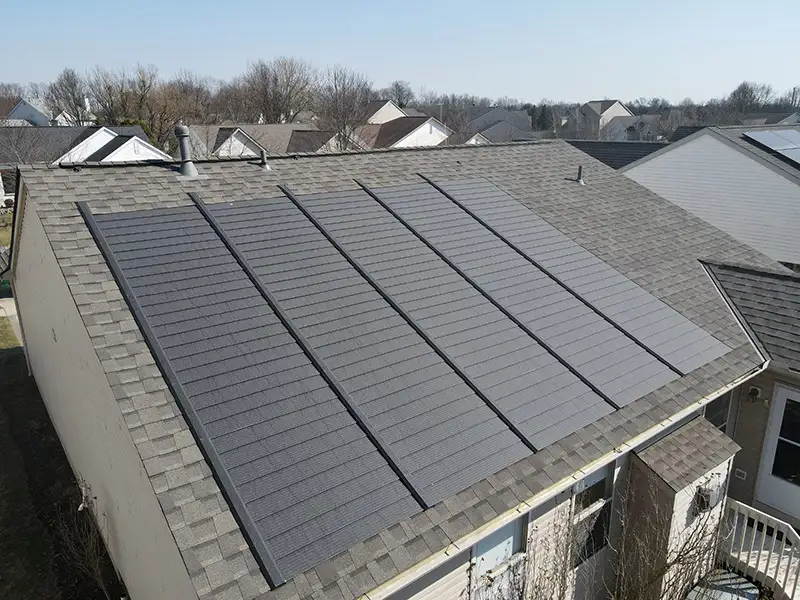
Solar roof systems, such as solar shingles or integrated tiles, often include more advanced monitoring features than traditional rack-mounted panels. Many modern solar roofs offer module-level tracking, which can be especially useful for identifying issues in specific areas of the roof. For a detailed comparison of solar roof tiles and conventional panels, see this guide to solar roof tiles vs. solar panels.
While both types of systems benefit from monitoring, integrated solar roofs may provide more granular data and easier maintenance alerts, helping homeowners and facility managers stay proactive about system health.
Maximizing the Value of Your Solar Roof Investment
To get the most from your solar roof, combine regular monitoring with proactive maintenance. Here are some practical tips:
- Clean your solar roof periodically to remove dust and debris. Use a gentle brush or hire professionals to avoid damaging the surface.
- Trim nearby trees and remove any objects that could cast shade on your solar roof.
- Schedule annual inspections to check for wear, damage, or electrical issues.
- Review your monitoring dashboard for alerts and performance trends.
- Consider upgrades or repairs if you notice persistent underperformance in specific areas.
If you’re planning a major renovation, you might also want to read about replacing old asphalt roofs or consult an asphalt roof replacement guide for more information on integrating solar with new roofing materials.
Frequently Asked Questions
What data can I track with a solar roof monitoring system?
Most systems let you monitor real-time and historical energy production, system efficiency, environmental conditions (like temperature and sunlight), and alerts for faults or maintenance needs. Some advanced setups provide data for each individual panel or shingle.
How often should I check my solar roof’s performance?
It’s a good idea to review your monitoring dashboard at least once a week. Set up automatic alerts for major issues, but regular manual checks help you spot trends and address minor problems before they escalate.
Can monitoring help me save money on energy bills?
Yes. By tracking your system’s output and your household’s energy use, you can adjust your habits to maximize self-consumption and reduce grid reliance. Promptly addressing issues detected by monitoring also ensures your system operates at peak efficiency, leading to greater savings over time.
Conclusion
Effective solar roofing performance monitoring is essential for anyone looking to protect their investment and achieve the best possible energy savings. By leveraging modern monitoring tools, staying proactive about maintenance, and understanding your system’s data, you can ensure your solar roof delivers reliable, long-term value. For more tips on maintaining your roof and avoiding common pitfalls, check out advice on roofing mistakes to avoid and how to spot asphalt roof failure signs early.