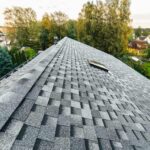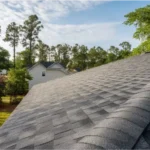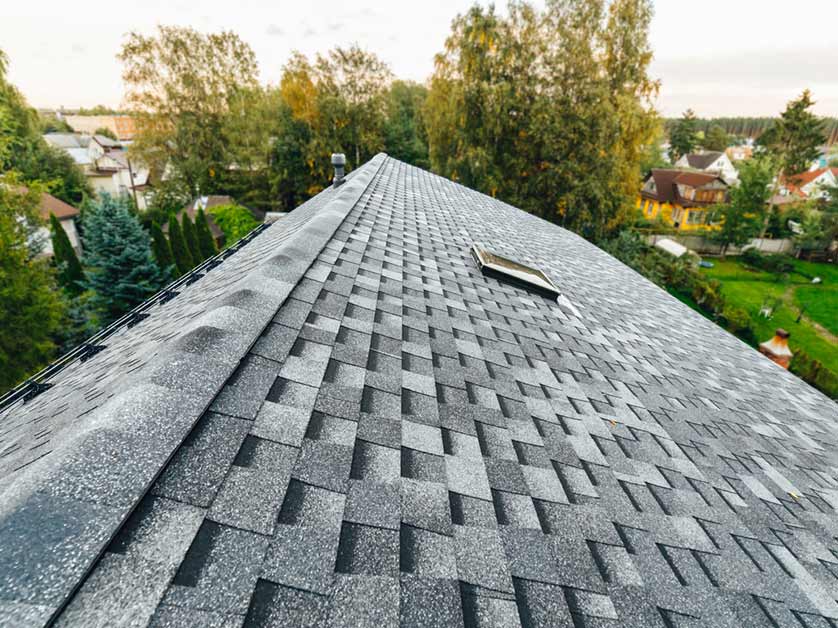
Proper shingle maintenance is one of the most effective ways to extend the lifespan of your roof and avoid costly repairs or premature replacement. Whether you have a newer installation or an older roof, understanding the key steps to protect your shingles can help you get the most out of your investment. This guide covers essential care practices, common threats to roof longevity, and expert recommendations for maximizing durability.
Many homeowners overlook routine upkeep, but even small actions—like keeping gutters clear or addressing minor damage—can make a significant difference. If you’re considering an upgrade, learning about roof upgrade cost and the benefits of high-performance shingles can also inform your long-term strategy.
Why Shingle Maintenance Matters for Roof Longevity
Shingles are your roof’s first defense against weather, moisture, and UV rays. Over time, exposure to the elements can cause granule loss, curling, or cracking, which leads to leaks and structural damage. Regular care not only preserves the appearance of your home but also protects its value and prevents more serious issues.
Neglecting maintenance can accelerate wear and tear, making your roof more vulnerable to wind, rain, and ice. By following a few straightforward practices, you can significantly increase the service life of your shingles and delay the need for a full replacement.
Routine Inspections: The Foundation of Preventive Care
Scheduling regular roof inspections is one of the most effective ways to catch problems early. Experts recommend checking your roof at least twice a year—ideally in spring and fall—and after major storms. Look for missing, loose, or damaged shingles, as well as signs of moss, algae, or debris buildup.
If you spot issues such as curling or cracked shingles, it’s important to address them promptly. For more detailed guidance, the asphalt roof failure signs article outlines what to watch for and when to call a professional.
Cleaning and Debris Removal: Simple Steps for a Longer-Lasting Roof
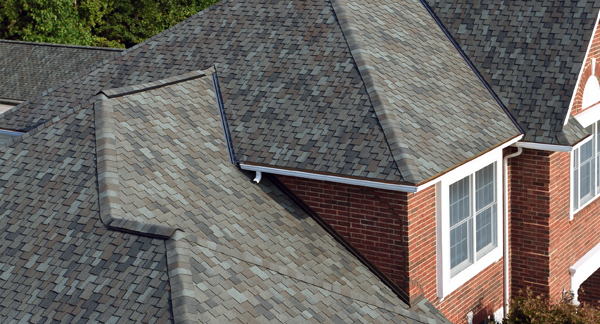
Leaves, branches, and other debris can trap moisture on your roof, leading to rot and shingle deterioration. Keeping your roof and gutters clean is a straightforward but crucial part of shingle care. Use a soft-bristle broom or leaf blower to remove debris, and clear gutters and downspouts regularly to ensure proper drainage.
Be cautious when cleaning—avoid pressure washers, which can dislodge granules and damage shingles. If you notice moss or algae growth, use a gentle cleaning solution designed for roofs, or consult a professional for safe removal.
Addressing Minor Repairs Promptly
Small problems can quickly escalate if left unattended. Replacing a few missing or damaged shingles is far less expensive than dealing with leaks or structural repairs. Use roofing cement or a high-quality sealant to fix minor cracks or gaps, and always follow manufacturer recommendations for materials and techniques.
For DIY repairs, having the right supplies on hand can make the process easier. Products like roofing sealant and replacement shingles are readily available and can help you tackle minor issues before they worsen.
If you’re unsure about your repair skills, or if the damage is extensive, it’s best to consult a professional roofer. For a comprehensive overview of the replacement process, see the replacing old asphalt roof guide.
Protective Measures to Maximize Roof Durability
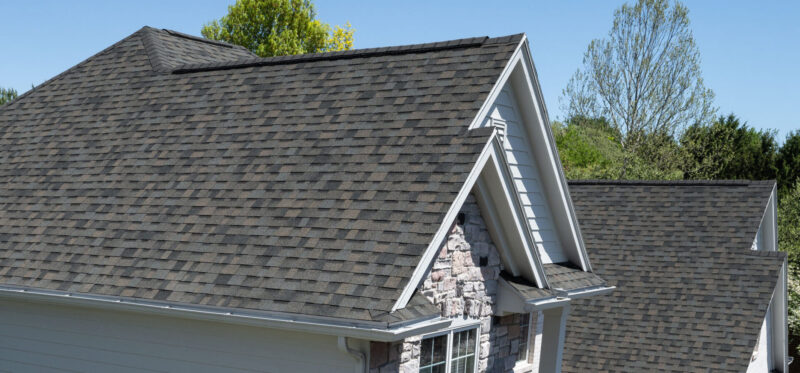
Several proactive steps can help you increase the lifespan of your roof and avoid premature aging:
- Trim overhanging branches to prevent damage from falling limbs and reduce shade that encourages moss growth.
- Ensure proper attic ventilation to minimize heat buildup and moisture, which can warp shingles and cause mold.
- Check flashing and seals around chimneys, vents, and skylights to prevent leaks.
- Apply roof coatings or sealants as recommended to add a protective layer against the elements.
For more details on material choices and installation best practices, the asphalt roof replacement guide offers valuable insights for homeowners planning ahead.
Common Threats to Shingle Roofs and How to Prevent Them
Understanding what puts your roof at risk can help you take targeted action. The most common threats include:
- Weather extremes such as hail, heavy snow, and high winds, which can loosen or break shingles.
- Poor installation or low-quality materials, which reduce overall durability.
- Improper repairs that leave gaps or use incompatible products.
- Neglected maintenance that allows minor issues to become major problems.
To avoid common pitfalls, review the roofing mistakes to avoid resource for practical advice on what not to do during repairs or upgrades.
For those interested in learning more about shingle types and their benefits, this guide to asphalt shingle roofs provides a thorough overview of materials, performance, and maintenance tips.
When to Consider Professional Help
While many maintenance tasks can be handled by homeowners, some situations require expert attention. If you notice widespread shingle damage, persistent leaks, or signs of structural issues, it’s best to contact a licensed roofer. Professional inspections can identify hidden problems and recommend the most cost-effective solutions.
Investing in periodic professional care can save money in the long run by catching issues early and ensuring repairs are done correctly. If your roof is nearing the end of its expected lifespan, a professional assessment can help you plan for a timely replacement and avoid emergency repairs.
Frequently Asked Questions
How often should I inspect my shingle roof?
It’s recommended to inspect your roof at least twice a year, typically in spring and fall. Additional checks after severe weather events can help catch damage early and prevent leaks or further deterioration.
What is the best way to remove moss or algae from shingles?
Use a gentle cleaning solution specifically designed for roofs, and avoid pressure washing, which can damage shingles. If the growth is extensive, consider hiring a professional to ensure safe and effective removal.
Can I repair damaged shingles myself, or should I hire a professional?
Minor repairs, such as replacing a few shingles or sealing small cracks, can often be done by homeowners with the right tools and materials. However, for large areas of damage, leaks, or if you’re unsure about the repair process, it’s safer to consult a professional roofer.
Conclusion: Proactive Care Pays Off
Taking a proactive approach to shingle maintenance is the best way to extend the life of your roof and protect your home. Regular inspections, prompt repairs, and a few simple preventive measures can add years to your roof’s service life and help you avoid unexpected expenses. By staying informed and attentive, you’ll ensure your roof remains strong, weather-resistant, and attractive for as long as possible.