Choosing the right roofing material is a significant decision for any homeowner or property manager. The roof not only protects your home from the elements but also impacts curb appeal, energy efficiency, and long-term maintenance costs. With so many options available, understanding the differences between popular choices like asphalt shingles, metal, tile, and slate is essential. This roofing material comparison will help you weigh the pros and cons of each type, so you can make an informed decision for your next roofing project.
Whether you are planning a full replacement or considering an upgrade, it’s important to factor in durability, cost, appearance, and climate suitability. If you’re interested in budgeting for premium options, you may find the roof upgrade cost resource helpful for estimating expenses and understanding value over time.
Understanding the Main Types of Roofing Materials
Each roofing material offers unique benefits and drawbacks. The most common options—shingles, metal, tile, and slate—differ in terms of cost, longevity, appearance, and installation requirements. Let’s explore each type in detail to help you determine which is best for your property.
Asphalt Shingles: Affordability and Versatility
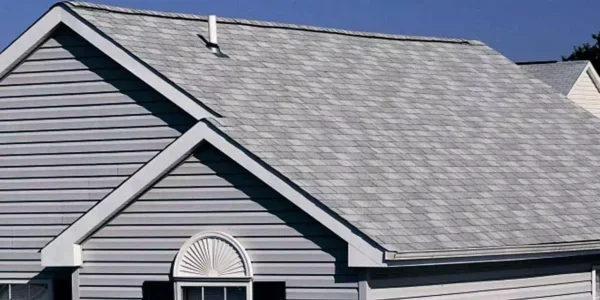
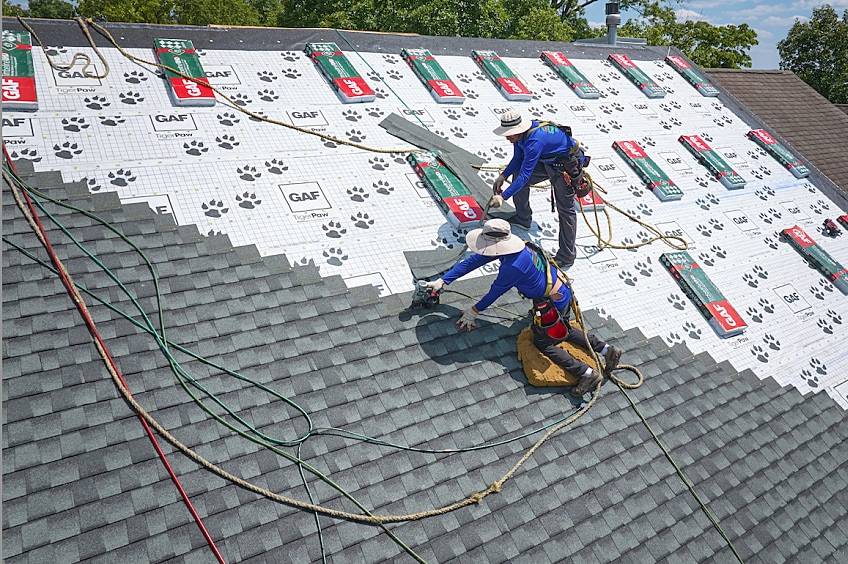
Asphalt shingles are the most widely used roofing material in North America. They are popular for their affordability, ease of installation, and wide range of styles and colors. Shingles are typically made from a fiberglass base topped with asphalt and mineral granules, providing a balance of durability and weather resistance.
- Cost: Shingles are among the most budget-friendly options, making them ideal for homeowners seeking value.
- Lifespan: Standard asphalt shingles last 15–30 years, depending on quality and climate. Premium varieties can last longer.
- Maintenance: Repairs are straightforward, but shingles can be prone to damage from wind, hail, and algae.
- Appearance: Available in many colors and textures, they suit a wide range of architectural styles.
For more details on installation and planning, see the asphalt roof replacement guide. If you’re concerned about signs of deterioration, the asphalt roof failure signs article can help you identify when it’s time to call a professional.
It’s also important to understand the different grades of shingles. For a technical breakdown, check out this guide to the four classes of asphalt roofing shingles.
Metal Roofing: Durability and Modern Appeal
Metal roofs are gaining popularity for their exceptional longevity, energy efficiency, and sleek appearance. Materials include steel, aluminum, copper, and zinc, each offering unique benefits. Metal panels or shingles can mimic traditional roofing or provide a contemporary look.
- Cost: Metal roofs have a higher upfront cost than shingles but can last two to three times longer.
- Lifespan: Expect 40–70 years of service, with minimal maintenance required.
- Energy Efficiency: Reflective coatings help reduce cooling costs in hot climates.
- Weather Resistance: Excellent protection against wind, fire, and hail. Some metals may be prone to denting.
- Appearance: Available in a variety of finishes, colors, and profiles, from standing seam to metal tiles.
Metal roofing is especially well-suited for areas with extreme weather or where fire resistance is a priority. However, installation requires specialized expertise, and improper installation can lead to leaks or noise issues.
Tile Roofing: Classic Style and Longevity
Clay and concrete tiles are known for their timeless appearance and impressive lifespan. Commonly seen on Mediterranean, Spanish, and Southwestern-style homes, tile roofs offer both beauty and performance.
- Cost: Tile is more expensive than shingles or metal, both in materials and installation.
- Lifespan: Well-maintained tile roofs can last 50–100 years.
- Durability: Resistant to fire, rot, and insects. Tiles can crack under heavy impact or if walked on.
- Weight: Tiles are heavy and may require additional roof reinforcement.
- Appearance: Available in a range of colors and profiles, including traditional barrel and flat tiles.
Tile roofing performs well in hot climates and is valued for its ability to withstand sun and wind. However, the added weight and higher installation costs are important considerations for homeowners.
Slate Roofing: Premium Performance and Natural Beauty
Slate is a natural stone material prized for its elegance, durability, and longevity. Often found on historic and luxury homes, slate roofs are considered a premium choice.
- Cost: Slate is the most expensive roofing option, with high material and labor costs.
- Lifespan: Properly installed slate can last 75–200 years, outlasting most other materials.
- Maintenance: Slate is low-maintenance but requires skilled installation and occasional replacement of broken tiles.
- Weight: Like tile, slate is very heavy and may need structural reinforcement.
- Appearance: Offers a distinctive, natural look with subtle color variations and textures.
Slate is ideal for homeowners seeking a long-term investment and classic appearance. The initial expense is offset by its exceptional lifespan and minimal maintenance needs.
Comparing Roofing Materials: Key Factors
When evaluating options, consider these important aspects:
| Material | Average Lifespan | Cost (per sq. ft.) | Maintenance | Appearance | Weight |
|---|---|---|---|---|---|
| Asphalt Shingles | 15–30 years | $1.50–$5 | Low–Moderate | Many colors/styles | Light |
| Metal | 40–70 years | $5–$14 | Low | Modern/traditional | Light–Moderate |
| Tile | 50–100 years | $7–$20 | Low | Classic/varied | Heavy |
| Slate | 75–200 years | $10–$30 | Low | Natural stone | Very heavy |
Keep in mind that regional climate, roof pitch, and local building codes can affect which material is most suitable for your home. For those considering a replacement, the replacing old asphalt roof resource offers practical advice on full tear-offs and upgrades.
How to Choose the Best Roofing Material for Your Home
To select the right option, start by evaluating your budget, desired lifespan, and architectural style. Here are a few tips to guide your decision:
- Assess Your Climate: Metal and tile excel in hot or storm-prone regions, while slate is ideal for areas with minimal freeze-thaw cycles.
- Consider Maintenance: If you prefer minimal upkeep, metal or slate may be preferable. Shingles require more frequent inspection and repair.
- Factor in Weight: Ensure your home’s structure can support heavier materials like tile or slate before committing.
- Think About Appearance: Choose a style and color that complements your home’s exterior and neighborhood aesthetic.
- Plan for the Future: If you expect to move within 10–15 years, a lower-cost option like shingles may make sense. For a long-term investment, consider metal, tile, or slate.
Avoiding common errors during installation is crucial. Review the roofing mistakes to avoid article for tips on ensuring your new roof performs as expected.
Frequently Asked Questions
Which roofing material lasts the longest?
Among the materials compared, slate offers the longest lifespan—often exceeding 100 years with proper care. Tile and metal also provide excellent longevity, while asphalt shingles generally have a shorter service life.
Are metal roofs noisy during rain?
Modern metal roofing systems are installed with solid sheathing and insulation, which significantly reduces noise. In most cases, a metal roof is no louder than other materials during rainfall.
What is the most cost-effective roofing option?
Asphalt shingles are typically the most budget-friendly choice for initial installation. However, considering long-term value, metal and tile may offer better cost-effectiveness due to their extended lifespans and lower maintenance needs.
Can I install a heavy roof like tile or slate on any home?
Not all structures are designed to support the weight of tile or slate. It’s essential to have a professional evaluate your roof framing before choosing these materials. Reinforcement may be necessary to ensure safety and longevity.
Making the right decision for your roof involves balancing cost, durability, appearance, and local climate. By understanding the strengths and limitations of each material, you can select the best option for your needs and protect your investment for years to come.