Homeowners today are increasingly weighing the benefits and expenses of solar roofing vs traditional roofing cost when planning a roof replacement or upgrade. As energy prices rise and sustainability becomes a priority, understanding the financial implications of each roofing option is essential. This guide provides a clear breakdown of upfront costs, long-term savings, and key considerations to help you make an informed decision for your property.
Whether you’re looking to maximize your home’s energy efficiency or simply want to compare the investment required for solar shingles versus conventional materials, it’s important to consider not just the initial price tag but also ongoing maintenance, durability, and potential return on investment. For those interested in high-performance shingle upgrades, you may also want to review the roof upgrade cost for more detailed insights into premium roofing solutions.
Comparing Upfront Costs: Solar Shingles and Conventional Roofs
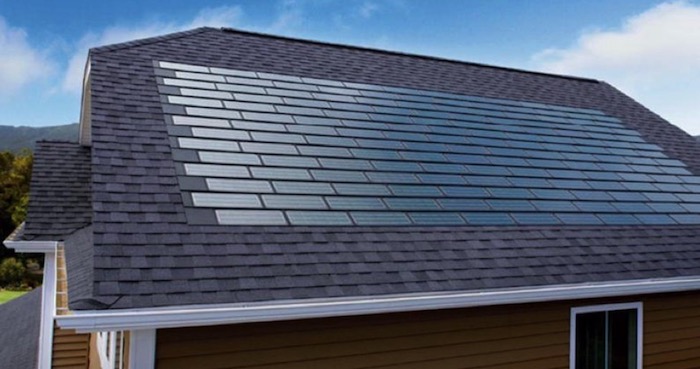
The initial investment is often the most significant factor when choosing between solar-integrated roofing and standard options. Traditional roofing materials like asphalt shingles, metal, or tile generally have lower upfront costs compared to solar shingles or tiles, which combine roofing and photovoltaic technology in one product.
- Traditional asphalt shingles: $4–$7 per square foot installed
- Metal roofing: $7–$14 per square foot installed
- Solar shingles: $20–$30 per square foot installed (including both roofing and solar components)
For a typical 2,000-square-foot roof, a standard asphalt shingle installation might cost $8,000–$14,000, while a full solar shingle system could range from $40,000–$60,000 before incentives. It’s important to note that solar roofing replaces both the roof and the need for separate solar panels, which can offset some of the higher upfront expense.
Long-Term Value: Energy Savings and Incentives
While the initial cost of solar-integrated roofing is higher, the long-term financial benefits can be substantial. Solar roofs generate electricity, reducing or even eliminating monthly utility bills. Over 20–25 years, many homeowners recoup a significant portion of their investment through energy savings.
Additional financial incentives may be available, such as the federal solar tax credit, state rebates, and local utility programs. These can reduce the net cost of a solar roof by 20–30% or more. For a deeper dive into the technology and incentives, see this comprehensive guide to solar tiles and their benefits.
Traditional roofs do not offer direct energy savings but may have lower insurance premiums and maintenance costs, depending on the material and region.
Installation and Maintenance: What to Expect
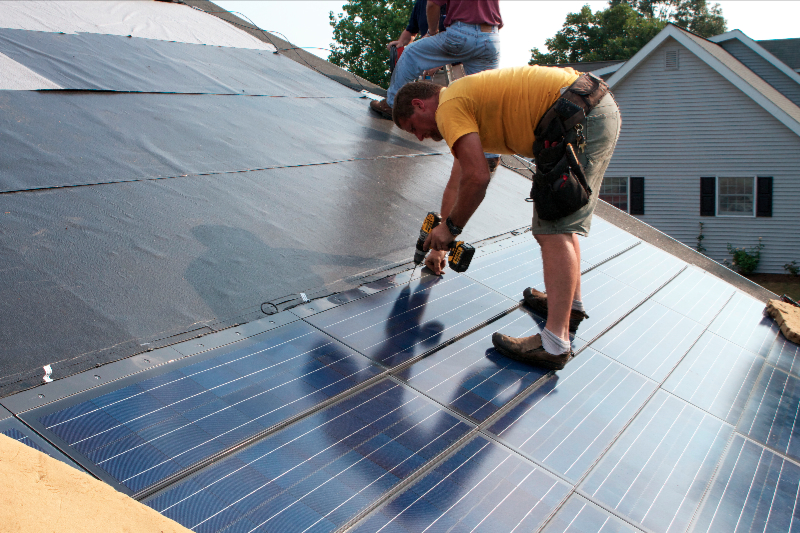
The installation process and ongoing care requirements differ between solar and conventional roofing. Solar shingles require specialized installers with electrical expertise, which can increase labor costs and scheduling complexity. The installation timeline may also be longer than for standard roofs.
Maintenance for solar roofs typically involves keeping the surface clean and ensuring the electrical system is functioning properly. Most systems are designed to be low-maintenance, but periodic inspections are recommended. For traditional roofs, maintenance usually involves clearing debris, checking for leaks, and replacing damaged shingles.
Durability and Lifespan: Solar vs Standard Roofs
When evaluating the solar roofing vs traditional roofing cost, it’s important to consider longevity. Most solar shingles are rated to last 25–30 years, with warranties often matching or exceeding those of high-quality asphalt or metal roofs. They are engineered to withstand wind, hail, and other weather extremes.
Conventional asphalt shingles typically last 15–30 years, while metal and tile roofs can last 40–70 years with proper care. The durability of your roof will affect not only replacement frequency but also long-term value and insurance costs. If you’re considering a full tear-off and replacement, the replacing old asphalt roof guide offers practical advice for planning your project.
Resale Value and Curb Appeal
Solar-integrated roofs can enhance a home’s resale value, especially in regions where energy efficiency is highly valued. Prospective buyers may be attracted by the promise of lower utility bills and modern aesthetics. However, the impact on resale value varies by market and buyer preferences.
Traditional roofing materials offer a wide range of colors and styles, allowing homeowners to match their property’s architectural style. While they may not provide direct energy savings, a well-maintained conventional roof can still boost curb appeal and attract buyers.
Key Factors to Consider When Choosing Your Roof
Choosing between solar and traditional roofing involves more than just comparing price tags. Here are some important aspects to weigh:
- Climate and sunlight exposure: Solar roofs are most effective in areas with abundant sunshine.
- Budget and financing: Consider available incentives, loan options, and your long-term financial goals.
- Roof structure and orientation: Not all roofs are suitable for solar integration; a professional assessment is recommended.
- Maintenance preferences: Solar systems may require occasional cleaning and monitoring, while traditional roofs need regular inspections for damage.
- Local regulations and HOA rules: Some communities have restrictions on solar installations or require specific roofing materials.
If you’re planning a new installation, the asphalt roof replacement guide provides step-by-step advice for a smooth project. For those concerned about common pitfalls, reviewing roofing mistakes to avoid can help ensure a successful outcome.
Frequently Asked Questions
How much more expensive is a solar roof compared to a standard asphalt shingle roof?
Solar-integrated roofing can cost two to four times more upfront than a basic asphalt shingle roof. However, this higher initial investment is offset over time by energy savings and potential incentives, making the total cost of ownership more competitive in the long run.
Are there maintenance differences between solar and traditional roofs?
Solar roofs require occasional cleaning and monitoring of the electrical system, while traditional roofs need regular inspections for leaks, damaged shingles, and debris. Both types benefit from routine maintenance to maximize lifespan and performance.
Will installing a solar roof increase my home’s value?
In many markets, solar-integrated roofs can boost property value, especially where energy efficiency is a selling point. The actual increase depends on local demand, the age of the system, and the quality of installation.
Conclusion: Making the Right Choice for Your Home
Deciding between solar and conventional roofing is a significant investment that depends on your budget, energy goals, and property characteristics. While solar options come with a higher upfront price, they offer long-term savings and environmental benefits. Traditional materials remain a reliable, cost-effective choice for many homeowners. By carefully evaluating your needs and consulting with qualified professionals, you can select the roofing solution that delivers the best value and performance for your home.