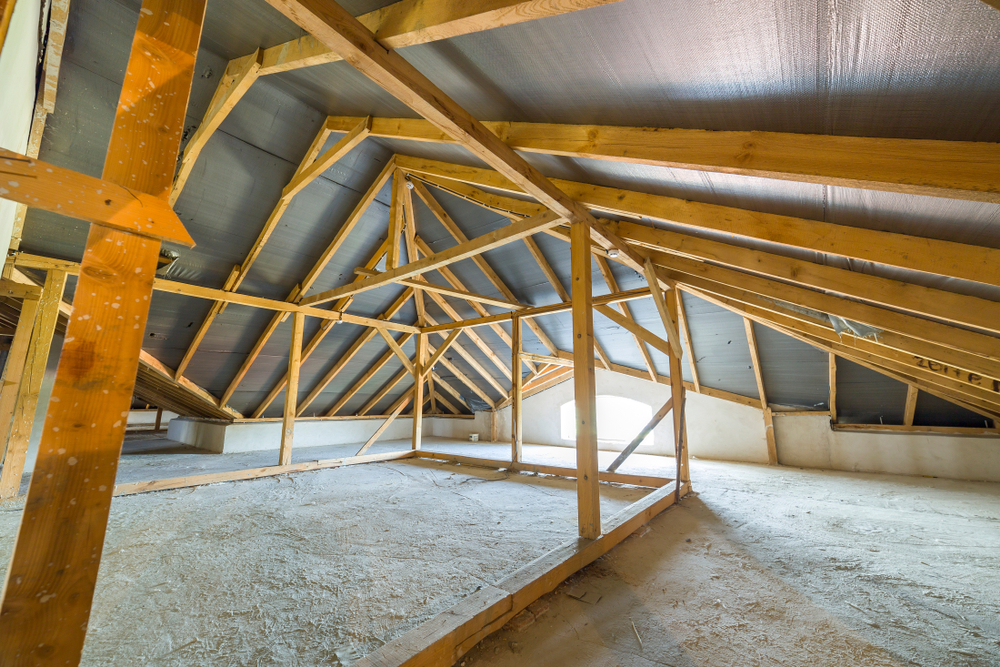
Proper airflow in your attic is essential for maintaining a healthy, energy-efficient home. Many homeowners and even some contractors overlook the importance of balanced ventilation, leading to issues such as moisture buildup, mold growth, and reduced roof lifespan. Understanding the most frequent attic ventilation mistakes to avoid can help you protect your investment and ensure your attic performs as intended throughout the year.
Whether you’re planning a new installation or assessing your current setup, it’s crucial to recognize the pitfalls that can undermine attic performance. In addition to the basics, keeping up with solar roofing market trends can also inform your approach, especially as energy-efficient roofing solutions become more popular.
Why Attic Ventilation Matters
Attic airflow isn’t just about temperature control—it directly affects your home’s comfort, energy bills, and structural integrity. When air moves freely, it helps regulate attic temperature, removes excess moisture, and prevents the formation of ice dams in colder climates. Without adequate ventilation, heat and humidity can accumulate, leading to costly repairs and health concerns.
Overlooking Intake and Exhaust Balance
One of the most common attic ventilation mistakes to avoid is failing to balance intake and exhaust vents. For a ventilation system to work efficiently, there must be a roughly equal amount of air entering through soffit or eave vents (intake) and exiting through ridge or roof vents (exhaust). If either side is lacking, airflow is restricted, and the system cannot function as intended.
- Too much exhaust, not enough intake: This can create negative pressure, drawing conditioned air from your living space into the attic and increasing energy costs.
- Too much intake, not enough exhaust: Air becomes trapped, and moisture may linger, increasing the risk of mold and wood rot.
Blocking Vents with Insulation or Debris
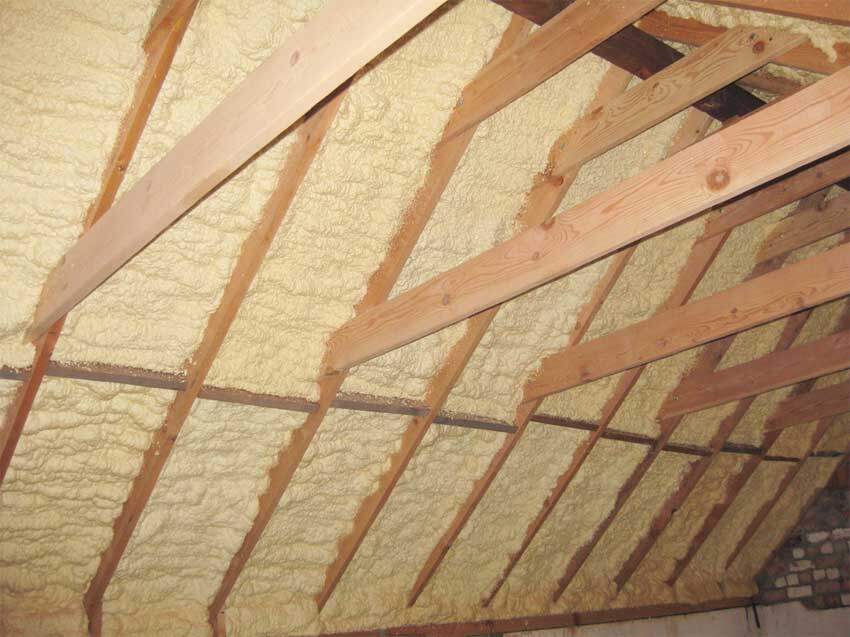
Even the best-designed system can fail if vents become blocked. Homeowners sometimes unintentionally cover soffit vents with insulation during upgrades, or debris like leaves and dust can accumulate over time. When airflow is obstructed, heat and moisture have nowhere to go, which can lead to premature shingle deterioration and attic mold.
- Check that insulation baffles are installed to keep soffit vents clear.
- Inspect vents regularly for obstructions and clean them as needed.
Mixing Different Types of Exhaust Vents
Another frequent error is combining two or more types of exhaust vents, such as ridge vents with box or turbine vents. This can disrupt the natural airflow, causing one vent to draw air from another rather than from the intake vents. As a result, the attic may not be ventilated properly, and the benefits of each vent type are diminished.
Stick to one exhaust system per attic space to ensure consistent and efficient air movement.
Underestimating the Importance of Proper Sizing
Ventilation requirements are not one-size-fits-all. The amount of venting needed depends on attic size, roof slope, and regional climate. Installing too few vents limits airflow, while too many can create unnecessary openings and potential leak points. Always calculate the required net free vent area (NFVA) based on your attic’s square footage and follow manufacturer recommendations.
Ignoring Regional and Seasonal Differences
Climate plays a significant role in determining the right approach to attic airflow. In humid regions, moisture control is critical, while in colder areas, preventing ice dams and condensation is the priority. Failing to tailor your system to local conditions can lead to ineffective results and increased maintenance needs.
For those interested in the latest advancements, exploring latest solar roofing technology can provide additional insights into how modern roofing systems integrate ventilation and energy efficiency.
Neglecting Regular Maintenance and Inspection
Even a well-designed system requires periodic checks. Over time, vents can become clogged, damaged, or dislodged by weather events. Routine inspections help catch issues early, preventing small problems from turning into expensive repairs.
- Look for signs of moisture, such as water stains or mold, in the attic.
- Ensure all vents are securely attached and free from obstructions.
- Check for animal nests or insect infestations that could block airflow.
Overlooking the Role of Insulation
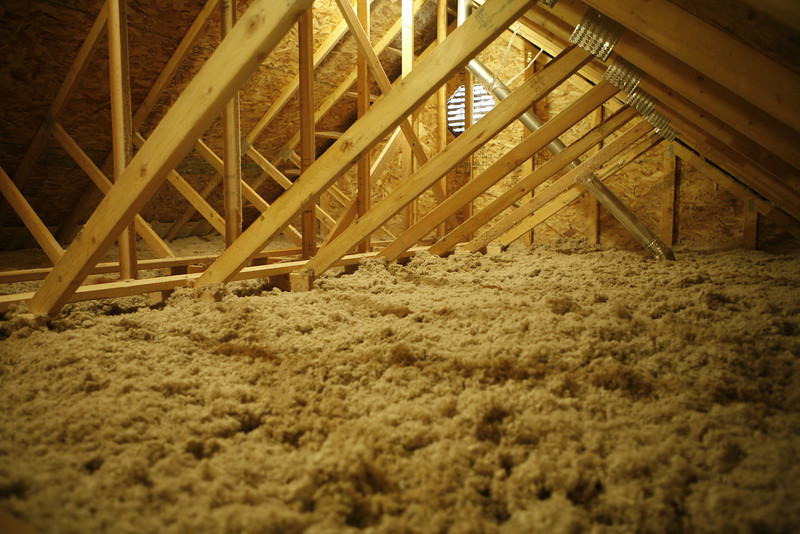
Insulation and ventilation work together to regulate attic temperature and moisture. Poorly installed or insufficient insulation can undermine even the best airflow setup. Make sure insulation is evenly distributed and does not block intake vents. Consider upgrading to modern materials if your attic is under-insulated.
Failing to Consider Roof Design and Upgrades
Complex rooflines, dormers, and additions can complicate airflow patterns. When making changes to your roof, such as installing solar panels or new shingles, always reassess your attic ventilation needs. Integrating innovations in solar roofing may also require adjustments to ensure optimal performance.
Frequently Asked Questions
How do I know if my attic ventilation is adequate?
Signs of proper airflow include a consistent attic temperature (close to outdoor air), no visible moisture or mold, and no ice dams forming in winter. If your attic feels excessively hot, damp, or you notice musty odors, it’s time to assess your system for potential attic ventilation mistakes.
Can I add more vents to improve attic airflow?
Adding vents can help, but only if they are balanced between intake and exhaust. Too many of one type can disrupt airflow. Always calculate your attic’s needs and avoid mixing different exhaust vent types.
What happens if attic vents are blocked?
Blocked vents restrict air movement, leading to heat buildup, moisture retention, and potential mold growth. This can damage your roof structure and reduce energy efficiency. Regularly inspect and clear all vents to maintain proper function.
Conclusion
Avoiding the most frequent attic ventilation mistakes to avoid is key to protecting your home’s structure, comfort, and energy efficiency. By ensuring balanced intake and exhaust, keeping vents clear, and tailoring your approach to your home’s unique needs, you can prevent common problems and extend the life of your roof. For those considering upgrades or new technologies, reviewing solar roofing site assessment resources can help you make informed decisions that support both ventilation and energy goals.