The relationship between attic insulation and the performance of roofing materials is often overlooked, yet it plays a critical role in the health and longevity of a roof. Proper insulation in the attic not only impacts energy efficiency but also directly influences how roofing materials age, respond to weather, and resist damage. Understanding these connections can help homeowners make informed decisions about upgrades, maintenance, and potential roof replacements.
Many homeowners focus on visible roofing issues, but the unseen layer of insulation beneath the roof deck is just as important. Inadequate or poorly installed insulation can lead to premature wear, moisture problems, and even structural concerns. By exploring the ways insulation interacts with various roofing systems, you can better protect your investment and avoid costly repairs down the line.
If you’re considering a major upgrade, such as a replacing old asphalt roof, it’s essential to understand how insulation choices can influence the performance and durability of your new roofing system.
The Connection Between Attic Insulation and Roof Longevity
Attic insulation acts as a barrier, regulating the flow of heat between your living space and the roof. When insulation is installed correctly, it helps maintain a stable temperature in the attic, which in turn reduces the thermal stress on roofing materials. This stability is crucial for preventing premature aging and extending the lifespan of shingles, underlayment, and structural components.
Without sufficient insulation, heat from the home can rise into the attic during winter, causing snow on the roof to melt and refreeze at the eaves—a process known as ice damming. Ice dams can lift shingles, create leaks, and lead to rot in the roof deck. In summer, a poorly insulated attic can allow excessive heat buildup, causing shingles to overheat, warp, or crack.

Thermal Regulation and Its Impact on Roofing Systems
One of the main benefits of effective attic insulation is its ability to regulate attic temperatures. This thermal regulation minimizes the expansion and contraction cycles that roofing materials undergo due to temperature fluctuations. Over time, these cycles can weaken shingles, cause fasteners to loosen, and create gaps where water can penetrate.
For asphalt shingle roofs, in particular, temperature extremes can accelerate the breakdown of the asphalt binder, leading to brittleness and cracking. Homeowners interested in learning more about shingle issues can refer to resources like the cracked asphalt shingles guide for repair tips and prevention strategies.
By maintaining a more consistent attic environment, insulation helps reduce these risks, allowing roofing systems to perform as intended for their full expected lifespan.
Moisture Control: Preventing Condensation and Rot
Moisture is a major enemy of any roofing system. When warm, moist air from the living space rises into a cold attic, condensation can form on the underside of the roof deck. Over time, this can lead to mold growth, wood rot, and deterioration of both the insulation and the roofing materials above.
Proper attic insulation, combined with adequate ventilation, helps keep attic temperatures above the dew point, reducing the risk of condensation. This is especially important in climates with cold winters or high humidity. Preventing moisture buildup not only protects the structural integrity of the roof but also improves indoor air quality and reduces the likelihood of costly repairs.
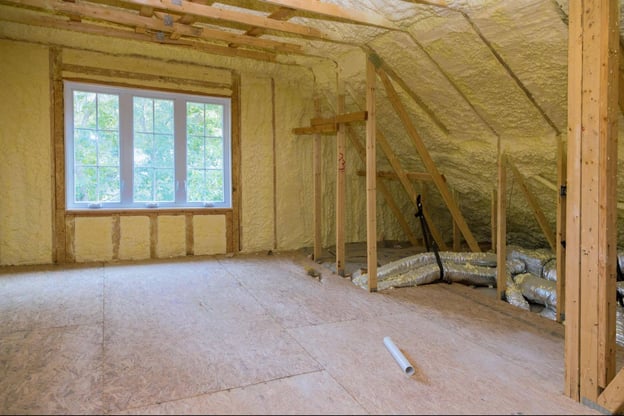
Energy Efficiency and Roofing Material Performance
Insulation in the attic doesn’t just benefit the roof—it also plays a significant role in the home’s overall energy efficiency. By reducing heat loss in winter and heat gain in summer, insulation lowers the demand on heating and cooling systems. This can lead to lower utility bills and a more comfortable living environment.
From a roofing perspective, improved energy efficiency means less thermal stress on materials, fewer temperature-related failures, and a reduced likelihood of issues like ice dams and attic condensation. Homeowners planning a new installation can consult an asphalt roof replacement guide to ensure insulation upgrades are included in the project scope.
Common Problems Caused by Poor Attic Insulation
Neglecting attic insulation can lead to a range of roofing problems, including:
- Ice dams that cause leaks and shingle damage
- Premature aging of roofing materials due to excessive heat or cold
- Condensation leading to mold, mildew, and rot
- Increased energy costs from heat loss or gain
- Structural damage from prolonged moisture exposure
Many of these issues can be avoided by ensuring the attic is properly insulated and ventilated. Homeowners should also be aware of roofing mistakes to avoid during installation or upgrades, as improper work can undermine even the best insulation.
Best Practices for Attic Insulation and Roof Health
To maximize the benefits of attic insulation and protect your roof, consider the following best practices:
- Use the recommended R-value for your climate zone to ensure adequate thermal resistance.
- Seal air leaks around vents, chimneys, and attic hatches to prevent warm air from escaping into the attic.
- Ensure proper attic ventilation to allow moisture to escape and maintain a balanced temperature.
- Inspect insulation regularly for signs of moisture, mold, or pest damage.
- Coordinate insulation upgrades with roof replacements or repairs for optimal results.
If you notice warning signs like curling shingles, water stains, or musty odors in the attic, it may be time to assess both your insulation and roofing system. Early intervention can prevent minor issues from becoming major expenses.
Recognizing When to Upgrade Insulation or Roofing
Over time, insulation can settle, become compressed, or lose effectiveness due to moisture or pest activity. If your home feels drafty, your energy bills are rising, or you see visible signs of roof wear, it’s wise to have both the attic and roof inspected.
Key indicators that an upgrade may be needed include:
- Frequent ice dams or icicles in winter
- Hot or cold spots in upper rooms
- Visible mold or mildew in the attic
- Shingles that are curling, cracking, or missing granules
- Water stains on ceilings or in the attic
For more information on identifying urgent roof issues, consult the asphalt roof failure signs resource to know when to call a professional.
FAQ
How does attic insulation help prevent ice dams?
Effective attic insulation keeps warm air from escaping into the attic and heating the roof deck. This prevents snow from melting and refreezing at the eaves, which is the main cause of ice dams. By maintaining a consistent attic temperature, insulation helps protect both the roof and the home’s interior from water damage.
Can poor attic insulation cause roofing materials to deteriorate faster?
Yes, inadequate insulation can expose roofing materials to extreme temperatures and moisture, accelerating wear and shortening their lifespan. Overheated attics can cause shingles to crack or warp, while condensation from poor insulation can lead to rot and mold.
Should attic insulation be upgraded when replacing a roof?
It’s highly recommended to assess and upgrade attic insulation during a roof replacement. This ensures the new roofing system performs optimally and helps prevent future issues related to heat loss, moisture, and energy inefficiency.