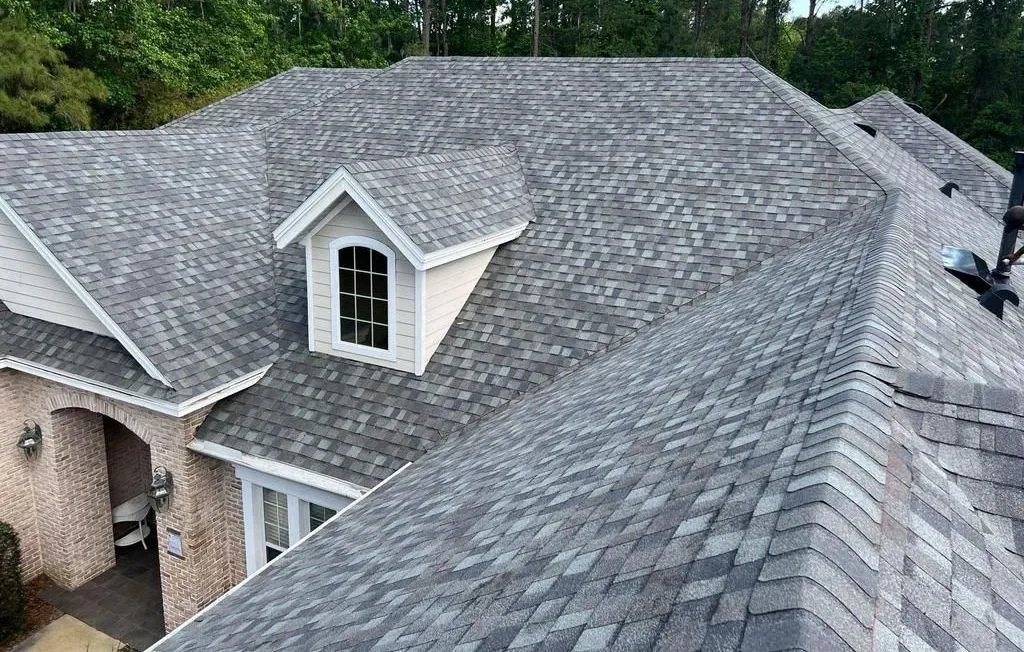
Understanding how long your asphalt roof will last is a key part of home maintenance and planning for future repairs or replacements. Asphalt shingles are among the most popular roofing materials in North America due to their affordability, versatility, and relatively straightforward installation. But even the best shingle roofs have a finite service life. Knowing what impacts the asphalt roof lifespan helps you make informed decisions about repairs, upgrades, and budgeting for your home.
This article explores the typical longevity of asphalt shingle roofs, the factors that influence their durability, signs of aging, and practical steps you can take to extend your roof’s useful years. If you’re considering a new installation or evaluating your current roof, understanding these details can help you avoid costly surprises and maximize your investment.
If you’re planning a major upgrade, you might want to review the roof upgrade cost for high-performance shingles to see how investing in premium materials can affect longevity.
Average Service Life of Asphalt Shingle Roofs
The typical asphalt roof lifespan ranges from 15 to 30 years, depending on the type of shingle, installation quality, and environmental conditions. Standard 3-tab shingles usually last 15–20 years, while architectural (dimensional) shingles can last 20–30 years or more. Some premium options, with advanced materials and thicker profiles, may even push beyond 30 years under ideal circumstances.
It’s important to note that manufacturer warranties do not always reflect real-world performance. Warranties may cover defects but not damage from weather, poor installation, or lack of maintenance. Actual roof longevity often depends on a combination of product quality and how well the roof is cared for over time.
Key Factors That Influence Asphalt Roof Longevity
Several variables can shorten or extend the life of an asphalt shingle roof. Here are the most significant influences:
- Climate and Weather: Extreme temperatures, heavy rainfall, hail, and high winds can accelerate wear. Roofs in hot, sunny climates may experience faster shingle deterioration due to UV exposure.
- Roof Slope and Drainage: Steeper roofs shed water more efficiently, reducing the risk of leaks and water damage. Flat or low-slope roofs are more prone to pooling and premature aging.
- Quality of Materials: Higher-grade shingles with better granule coverage and thicker mats generally last longer than budget options.
- Installation Workmanship: Proper installation is critical. Poorly installed shingles, inadequate flashing, or improper ventilation can all reduce roof life.
- Ventilation and Insulation: Good attic ventilation prevents heat and moisture buildup, which can otherwise cause shingles to warp, crack, or deteriorate prematurely.
- Maintenance: Regular inspections, cleaning, and prompt repairs help catch minor issues before they become major problems.
Types of Asphalt Shingles and Their Expected Lifespans
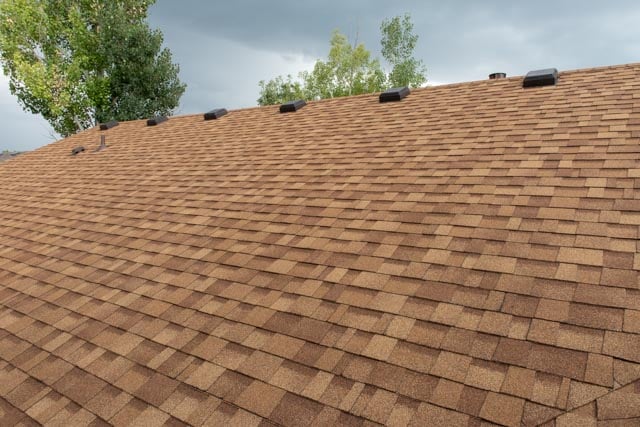
Not all asphalt shingles are created equal. The three main categories each offer different durability and price points:
| Shingle Type | Typical Lifespan | Key Features |
|---|---|---|
| 3-Tab Shingles | 15–20 years | Flat, single-layer, most affordable |
| Architectural Shingles | 20–30 years | Thicker, dimensional, better wind resistance |
| Premium/Luxury Shingles | 25–40 years | Heaviest, highest quality, enhanced aesthetics |
Choosing the right type for your region and budget can make a significant difference in how long your roof will last. For a detailed breakdown of installation and replacement, see the asphalt roof replacement guide.
Common Signs Your Asphalt Roof Is Nearing the End
Recognizing when your roof is reaching the end of its service life can help you avoid leaks and costly interior damage. Look for these warning signs:
- Curled, cracked, or missing shingles
- Granule loss (bald spots or excessive granules in gutters)
- Frequent leaks or water stains on ceilings
- Visible sagging or soft spots on the roof deck
- Algae, moss, or mold growth
- Shingles that appear faded or brittle
If you notice any of these issues, it’s wise to consult a professional. For more details on what to watch for, review these asphalt roof failure signs.
How to Maximize the Years on Your Asphalt Roof
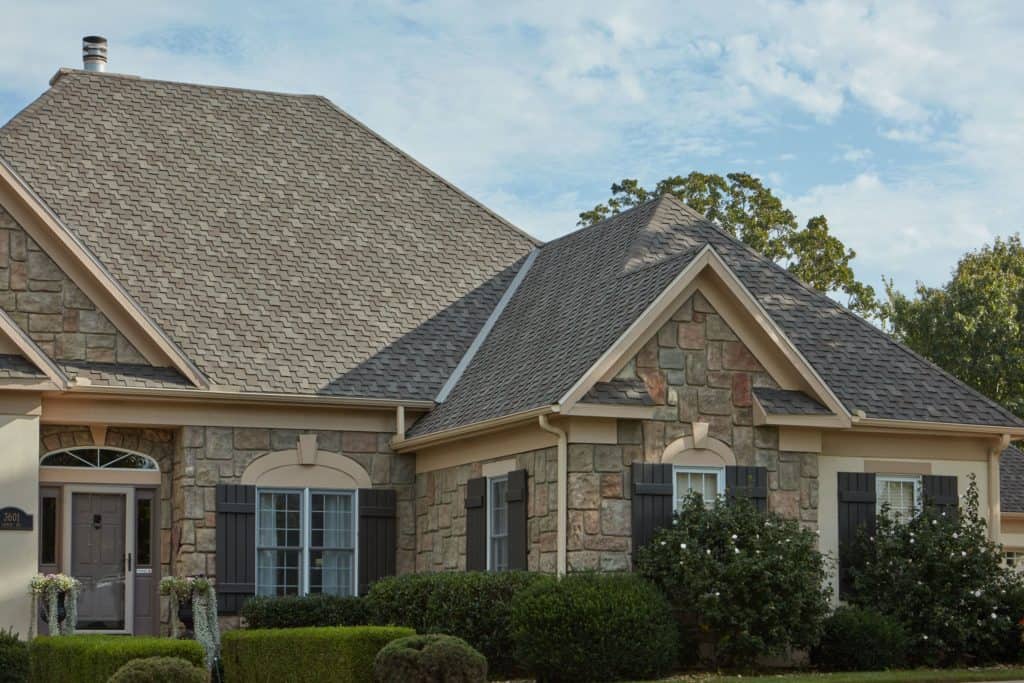
With proper care, you can often stretch the asphalt roof lifespan closer to the upper end of its range. Here are some practical maintenance tips:
- Schedule annual roof inspections, especially after severe weather events.
- Keep gutters clean to prevent water backup and ice dams.
- Trim overhanging tree branches to reduce debris and shade that can promote moss growth.
- Address minor repairs—like replacing damaged shingles or resealing flashing—promptly.
- Ensure attic ventilation is adequate to prevent heat and moisture buildup.
- Consider applying a quality roof sealant to extend shingle life and prevent leaks.
If your roof is already showing significant wear, it may be time to consider replacing old asphalt roof to protect your home’s structure and value.
When to Consider a Full Replacement
Even with diligent maintenance, every roof will eventually need to be replaced. If your roof is approaching or has exceeded its expected lifespan, or if repairs are becoming frequent and costly, a full tear-off and new installation may be the most cost-effective solution. Upgrading to higher-quality shingles or improved installation techniques can also provide better protection and a longer service life for your next roof.
For homeowners weighing their options, understanding the basics of asphalt shingle roofing can help clarify the benefits and limitations of this common material.
Frequently Asked Questions
What is the typical lifespan of an asphalt shingle roof?
Most asphalt shingle roofs last between 15 and 30 years, depending on the type of shingle, installation quality, and local climate. Architectural shingles and premium options tend to last longer than standard 3-tab shingles.
How can I tell if my asphalt roof needs to be replaced?
Common indicators include widespread curling or missing shingles, significant granule loss, frequent leaks, and visible sagging. If your roof is nearing the end of its expected service life or showing multiple signs of failure, replacement is likely needed.
Can regular maintenance extend the life of my asphalt roof?
Yes, routine inspections, prompt repairs, keeping gutters clear, and ensuring proper attic ventilation can all help maximize your roof’s lifespan. Addressing small issues early prevents larger, more expensive problems down the road.
Conclusion
The longevity of an asphalt shingle roof depends on a combination of material quality, installation, climate, and ongoing care. By understanding the factors that influence durability and staying proactive with maintenance, homeowners can get the most value from their investment and avoid unexpected repairs. For more tips on avoiding common pitfalls, see these roofing mistakes to avoid during your next project.