As homeowners look for ways to reduce energy bills and embrace sustainable living, solar roofing for residential homes has emerged as a practical and forward-thinking solution. This innovative technology integrates solar power generation directly into roofing materials, offering both protection and renewable energy in a single package. Whether you’re planning a new build or considering an upgrade, understanding the options, benefits, and considerations of solar-integrated roofs can help you make an informed decision for your property.
Before diving into the details, it’s helpful to compare the costs and benefits of different roofing upgrades. For those weighing their options, our roof upgrade cost guide provides a comprehensive look at investing in high-performance shingles and modern roofing solutions.
What Is Solar Roofing and How Does It Work?
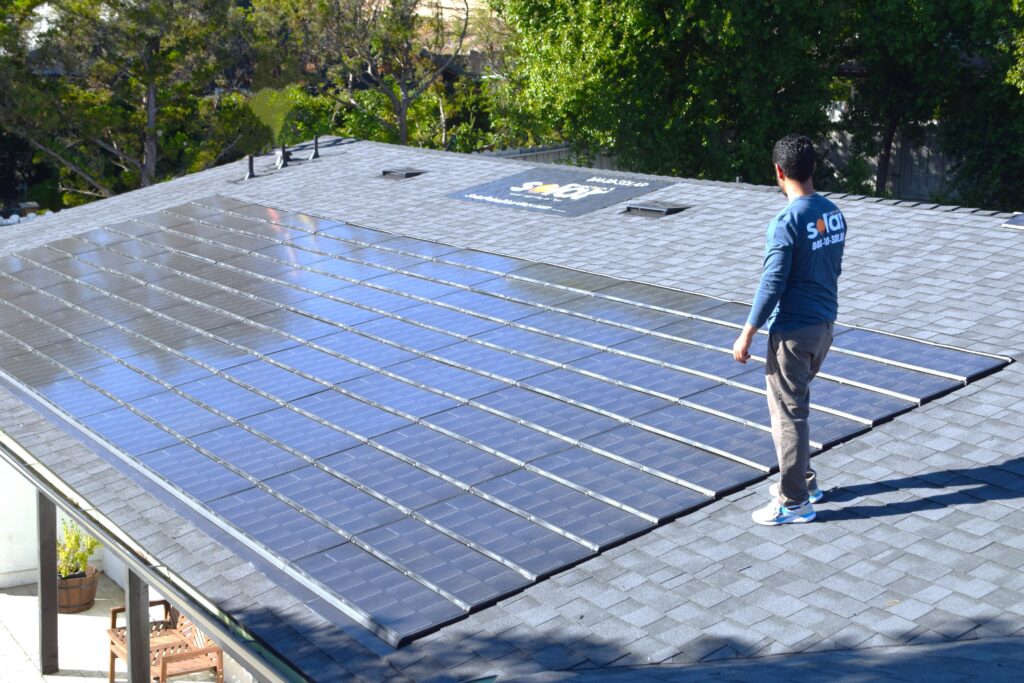
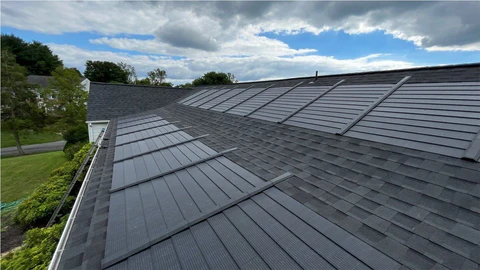
Solar roofing refers to the integration of photovoltaic (PV) technology into roofing materials, allowing your roof to generate electricity from sunlight. Unlike traditional solar panels, which are mounted on top of existing roofs, solar shingles or tiles are designed to blend seamlessly with standard roofing materials. This approach not only preserves the aesthetic appeal of your home but also maximizes the use of available roof space for energy production.
There are two primary types of solar-integrated roofs for homes:
- Solar shingles: These look similar to conventional asphalt shingles but contain built-in solar cells. They replace standard shingles and are installed in overlapping rows.
- Solar roof tiles: Often made from glass or other durable materials, these tiles mimic the appearance of traditional roofing while generating electricity.
Both options connect to your home’s electrical system, converting sunlight into usable power. Excess energy can be stored in batteries or sent back to the grid, depending on your setup and local regulations.
Key Benefits of Solar Roofing for Homeowners
Choosing solar roofing for residential homes offers several advantages beyond just energy savings. Here are some of the most notable benefits:
- Reduced electricity bills: By generating your own power, you can significantly lower your monthly utility costs.
- Increased property value: Homes with solar-integrated roofs often command higher resale prices due to their energy efficiency and modern appeal.
- Environmental impact: Solar roofs help reduce your carbon footprint by relying on clean, renewable energy.
- Durability: Many solar shingles and tiles are designed to withstand harsh weather, offering protection comparable to or better than traditional roofing materials.
- Low-profile aesthetics: Integrated systems are less noticeable than bulky solar panels, preserving the look of your home.
Types of Solar Roofing Materials for Residences
When considering solar-integrated roofs, it’s important to understand the different material options available. The most common choices include:
- Photovoltaic shingles: These are designed to look like standard asphalt shingles and are suitable for most residential applications.
- Solar tiles: Typically made from tempered glass, these tiles are highly durable and can mimic the appearance of slate or clay tiles.
- Hybrid systems: Some homeowners opt for a combination of traditional roofing and solar panels, especially if only part of the roof receives optimal sunlight.
Each material has its own installation requirements, lifespan, and energy output. Consulting with a qualified installer can help you determine which solution best fits your home’s architecture and your energy needs.
Installation Process and What to Expect
Installing a solar-integrated roof involves more than just swapping out old shingles. Here’s a general overview of the process:
- Assessment: A professional evaluates your roof’s condition, orientation, and shading to determine suitability for solar integration.
- Design: The installer creates a custom layout to maximize energy production while maintaining the roof’s appearance.
- Removal (if needed): Existing roofing materials may be removed, especially if they are near the end of their lifespan or incompatible with solar products.
- Installation: Solar shingles or tiles are installed, connected to your electrical system, and tested for performance.
- Inspection and activation: Local authorities inspect the installation for code compliance before the system is activated.
It’s crucial to work with experienced professionals who understand both roofing and solar technology. For those replacing older roofs, our guide to full tear-offs offers helpful insights on planning a successful project.
Cost Considerations and Long-Term Savings
One of the most common questions about solar-integrated roofs is the initial investment. While the upfront cost is generally higher than traditional roofing, the long-term savings can be substantial. Factors influencing the price include:
- Roof size and complexity
- Type of solar roofing material
- Local labor rates
- Available incentives and rebates
Many regions offer tax credits or rebates to offset installation costs. Over time, the reduction in utility bills can help recoup your investment. For a detailed breakdown of expenses, see our resource on roof upgrade cost and how it compares to other roofing options.
Maintenance and Longevity of Solar Roofs
Solar-integrated roofs are designed for durability and minimal upkeep. Most products come with warranties ranging from 20 to 30 years. Routine maintenance typically involves:
- Periodic cleaning to remove debris and maximize sunlight exposure
- Visual inspections for damage after severe weather
- Professional system checks to ensure optimal performance
Using the right tools, such as a dedicated roof cleaning brush, can help maintain your system without causing damage. For more on keeping your roof in top shape, our roofing mistakes to avoid article highlights common pitfalls and best practices.
Comparing Solar Roofing to Traditional Solar Panels
While both solar-integrated roofs and traditional solar panels offer renewable energy benefits, there are key differences to consider:
| Feature | Solar Roofing | Traditional Panels |
|---|---|---|
| Aesthetics | Seamless, low-profile | Visible, raised above roof |
| Installation | Integrated with new roof | Mounted on existing roof |
| Cost | Higher upfront | Lower upfront |
| Efficiency | Improving, but slightly lower | Typically higher per panel |
| Maintenance | Minimal, similar to roof care | Occasional cleaning, repairs |
For homeowners seeking a balance of performance and appearance, solar-integrated roofs are an attractive option. Those with existing roofs in good condition may still prefer traditional panels for their cost-effectiveness.
Are Solar Roofs Right for Your Home?
Deciding if this technology is suitable for your property depends on several factors:
- Roof orientation and shading
- Local climate
- Budget and available incentives
- Long-term plans for the home
Consulting with a certified installer will help you assess your home’s suitability and potential energy savings. For a deeper dive into the advantages of solar roof tiles, see this comprehensive overview of solar roof tile benefits.
Frequently Asked Questions
How long does a solar-integrated roof last?
Most solar shingles and tiles are designed to last 25–30 years, with warranties to match. Their durability is comparable to high-quality traditional roofing materials.
Will solar roofing work in cloudy or cold climates?
Yes, solar roofs can generate electricity even on cloudy days, though output is reduced. Cold temperatures do not negatively affect performance; in fact, solar cells often operate more efficiently in cooler weather.
Can I install solar shingles on an existing roof?
Solar shingles are best installed during a new roof installation or full replacement. If your current roof is in good condition, traditional solar panels may be a more cost-effective option.
What maintenance is required for solar-integrated roofs?
Routine cleaning and occasional inspections are usually sufficient. Avoid harsh chemicals or abrasive tools to prevent damaging the solar cells.
Are there incentives for installing solar roofing?
Many regions offer tax credits, rebates, or other incentives for solar installations. Check with local authorities or your installer for current programs in your area.
Embracing solar roofing for residential homes is a smart way to invest in your property’s future, lower energy costs, and contribute to a more sustainable world. With careful planning and the right resources, you can enjoy the benefits of renewable energy while maintaining the comfort and style of your home.