Working on an asphalt shingle roof can be hazardous, whether you’re a seasoned contractor or a homeowner tackling repairs yourself. Understanding the best asphalt roofing safety tips is essential to prevent injuries, minimize property damage, and ensure a successful project. This guide covers practical safety measures, recommended gear, and essential planning steps for anyone working on asphalt roofs.
Before climbing onto your roof, it’s wise to familiarize yourself with the basics of shingle types, installation timelines, and warranty coverage. For more on shingle selection and coverage, see roofing warranty asphalt shingles.
Why Roofing Safety Matters
Falls from roofs are a leading cause of injury in construction and home improvement. Even a single misstep can result in serious harm. By following proven asphalt roofing safety tips, you reduce the risk of falls, heat-related illnesses, and other common hazards. Proper safety practices also protect your investment by preventing costly mistakes or damage to your home.
Essential Personal Protective Equipment (PPE)
Wearing the right gear is the first step in staying safe on the roof. Here’s what every DIYer and professional should have:
- Non-slip footwear: Choose shoes or boots with rubber soles for maximum grip on asphalt shingles.
- Hard hat: Protects against falling debris and accidental bumps.
- Safety harness and lanyard: Always use a harness anchored to a secure point, especially on steep or high roofs.
- Gloves: Prevent cuts from shingles and tools, and improve grip.
- Eye protection: Shields your eyes from dust, nails, and flying debris.
- Knee pads: Provide comfort and reduce joint strain during extended work.
Planning and Preparation for a Safe Roofing Project
Preparation is crucial for safe and efficient roofing work. Here are key steps to take before starting:
- Check the weather: Avoid working in rain, snow, or high winds. Wet shingles are slippery and dangerous.
- Inspect the roof: Look for weak spots, rot, or loose shingles that could give way underfoot.
- Clear the area: Remove debris, tools, and unnecessary materials from the roof and ground below.
- Set up ladders safely: Use a sturdy ladder on level ground, extending at least three feet above the roof edge. Secure it to prevent slipping.
- Notify others: Let someone know you’ll be working on the roof, and keep children and pets away from the work zone.
Safe Work Practices on Asphalt Shingle Roofs
Once you’re on the roof, following safe work habits is just as important as your preparation. Here’s how to minimize risks:
- Maintain three points of contact: Always keep two hands and one foot, or two feet and one hand, in contact with the roof or ladder.
- Work in pairs: If possible, have a helper nearby to assist and call for help if needed.
- Keep tools organized: Use tool belts or buckets to avoid leaving items loose on the roof.
- Stay hydrated: Roofing is strenuous work, especially in the sun. Take breaks and drink water regularly.
- Be mindful of roof edges: Never back up without looking. Mark edges with visible tape or cones if possible.
- Watch for overhead hazards: Be aware of power lines, tree branches, and satellite dishes.
Common Hazards and How to Avoid Them
Understanding the specific dangers of working with asphalt shingles helps you take proactive steps to stay safe:
- Slippery surfaces: Early morning dew, algae, or granule loss can make shingles slick. Wait until the roof is dry and wear proper footwear.
- Heat exposure: Asphalt shingles can become extremely hot in direct sunlight. Wear light-colored clothing, take frequent breaks, and avoid midday work when possible.
- Sharp edges: Shingles and tools can cause cuts. Always wear gloves and handle materials carefully.
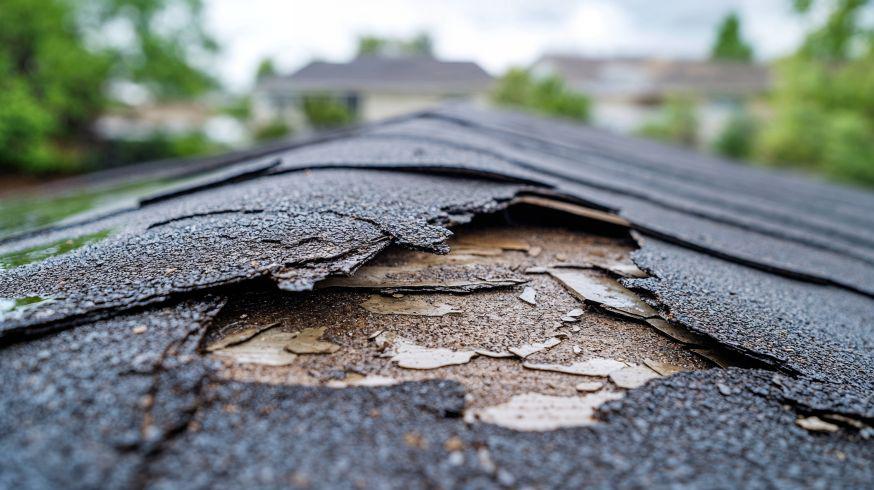
- Loose or damaged shingles: Step only on secure areas. Replace or avoid walking on cracked or curled shingles.

Choosing the Right Materials and Tools
Using quality materials and the correct tools not only improves your results but also enhances safety. For guidance on selecting the best shingles for your home, review our article on best roofing shingles for homes. Always use sharp utility knives, sturdy hammers, and reliable sealants to avoid unnecessary strain or accidents. If you’re unsure about the types of asphalt shingles available, consult resources like this comprehensive guide to asphalt shingle types.
When to Call a Professional
Some roofing jobs are best left to licensed contractors. Consider hiring a professional if:
- The roof is steep, high, or has complex features.
- You notice extensive damage or structural issues.
- You’re uncomfortable with heights or lack the proper safety equipment.
- Local building codes require professional installation for warranty purposes.
For more on installation timelines and what to expect, see our guide on asphalt roof installation time.
Maintenance Tips to Prevent Accidents
Regular maintenance helps keep your roof safe and extends its lifespan. Here are some maintenance-focused asphalt roofing safety tips:
- Inspect your roof twice a year for loose, cracked, or missing shingles.
- Clean gutters and downspouts to prevent water damage and slippery surfaces.
- Trim overhanging branches to reduce debris and minimize shade that encourages moss growth.
- Address minor repairs promptly to avoid larger, riskier jobs later.
Frequently Asked Questions
What is the safest way to access an asphalt shingle roof?
Use a sturdy, well-anchored ladder that extends at least three feet above the roof edge. Always maintain three points of contact and never carry heavy tools while climbing. If possible, have someone hold the ladder for added stability.
How can I tell if my roof is too dangerous for DIY repairs?
If your roof is steep, has visible structural damage, or feels unstable underfoot, it’s best to contact a professional. Also, if you lack proper safety equipment or feel uncomfortable at heights, avoid attempting repairs yourself.
Are there specific times of year that are safer for roofing work?
Spring and fall are generally the safest times for roofing projects, as temperatures are moderate and shingles are less likely to be slippery. Avoid working during rain, snow, or extreme heat to minimize risks.
Conclusion
Whether you’re patching a leak or replacing shingles, following these asphalt roofing safety tips can make all the difference. Prioritize preparation, use the right protective gear, and don’t hesitate to seek professional help for complex or risky jobs. With the right approach, you’ll protect both yourself and your home while achieving quality results.