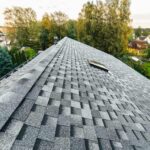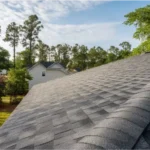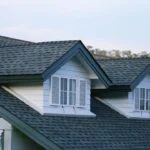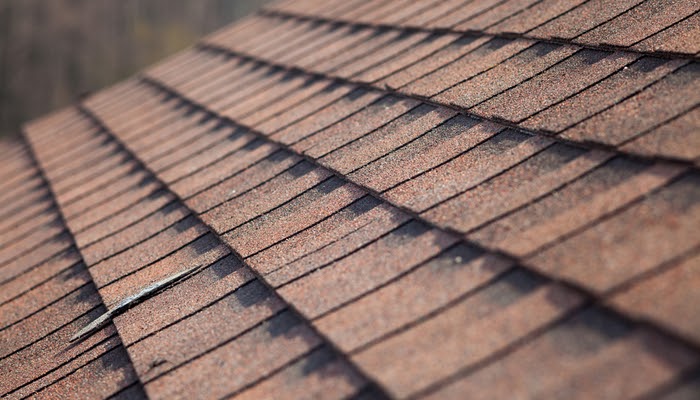
Asphalt shingles remain the most popular roofing material for homes across North America, thanks to their affordability, durability, and wide range of styles. Whether you’re planning a new roof, replacing an old one, or simply looking to maintain your current shingles, understanding the latest developments and best practices is essential. This comprehensive resource covers everything homeowners and property managers need to know about modern asphalt shingle roofing, including types, installation, maintenance, and how to choose the best options for your needs.
For those interested in design, be sure to explore asphalt roof color options to find the perfect match for your home’s exterior. If you’re just starting your research, this article will help you navigate the key decisions and avoid common pitfalls.
Types of Asphalt Shingles in 2026
There are three main categories of asphalt shingles available in today’s market. Each type offers unique benefits and is suited for different budgets and aesthetic preferences:
- 3-Tab Shingles: These are the most basic and affordable option. They have a flat, uniform appearance and are lightweight, making them easy to install. However, their lifespan is generally shorter than other types.
- Architectural (Dimensional) Shingles: These shingles are thicker and have a layered, dimensional look that mimics wood shakes. They offer improved durability and weather resistance, making them a popular choice for homeowners seeking both performance and curb appeal.
- Luxury (Premium) Shingles: Designed to replicate the appearance of slate or cedar shakes, luxury shingles are the top tier in terms of aesthetics and longevity. They are heavier and more expensive but provide superior protection and a high-end look.
For a deeper dive into the various shingle types, explore this detailed comparison of roofing shingle varieties.
Key Benefits of Modern Asphalt Shingle Roofing
Choosing asphalt shingles for your roof offers several advantages:
- Affordability: Asphalt shingles are cost-effective compared to other roofing materials like metal, slate, or tile.
- Wide Selection: Available in numerous colors, textures, and profiles to suit any architectural style.
- Ease of Installation: Most roofing contractors are experienced with asphalt shingles, which helps keep labor costs reasonable and installation times short. For more on project timelines, see asphalt roof installation time.
- Durability: Advances in manufacturing have improved resistance to wind, algae, and UV rays. Many products now offer warranties of 25 years or more.
- Low Maintenance: With proper care, asphalt shingles require minimal upkeep compared to wood or tile roofs.
How to Choose the Best Asphalt Shingles for Your Home
Selecting the right shingles involves more than just picking a color. Consider the following factors to ensure you get the best value and performance:
- Climate Suitability: Choose shingles rated for your region’s weather—look for impact-resistant options in hail-prone areas or algae-resistant products in humid climates.
- Warranty Coverage: Review manufacturer warranties for coverage on defects, wind, and algae resistance.
- Style and Color: Match the shingle profile and color to your home’s architecture. For help, check out how to choose asphalt shingles for guidance on colors, styles, and grades.
- Budget: Balance upfront costs with long-term durability. Higher-end shingles may cost more but can extend the life of your roof and enhance resale value.
Installation Process and Best Practices
Proper installation is critical to the performance and lifespan of your asphalt shingle roof. Here’s a step-by-step overview of what to expect:
- Inspection and Preparation: The old roofing material is removed, and the roof deck is inspected for damage. Any rotten wood or structural issues are repaired before proceeding.
- Underlayment Installation: A waterproof underlayment is applied to protect against leaks and ice dams.
- Starter Strip and Edge Flashing: Special starter shingles and metal flashing are installed along the eaves and rakes to prevent wind uplift and water infiltration.
- Shingle Application: Shingles are laid in overlapping rows, following manufacturer guidelines for nailing patterns and spacing.
- Ridge Cap Installation: Special ridge cap shingles are installed along the roof’s peak for a finished look and added protection.
- Final Inspection: The contractor checks for proper installation, seals exposed nails, and cleans up debris.
Choosing an experienced, licensed contractor is essential. Improper installation can void warranties and lead to costly repairs down the road.
Maintenance Tips for Asphalt Shingle Roofs
Routine maintenance helps extend the life of your roof and prevent issues like leaks or shingle damage. Here are some practical tips:
- Inspect Annually: Check for missing, cracked, or curling shingles, especially after storms.
- Clean Gutters: Remove debris from gutters and downspouts to prevent water backup and ice dams.
- Trim Overhanging Branches: Keep trees trimmed to avoid abrasion and moss growth on your roof.
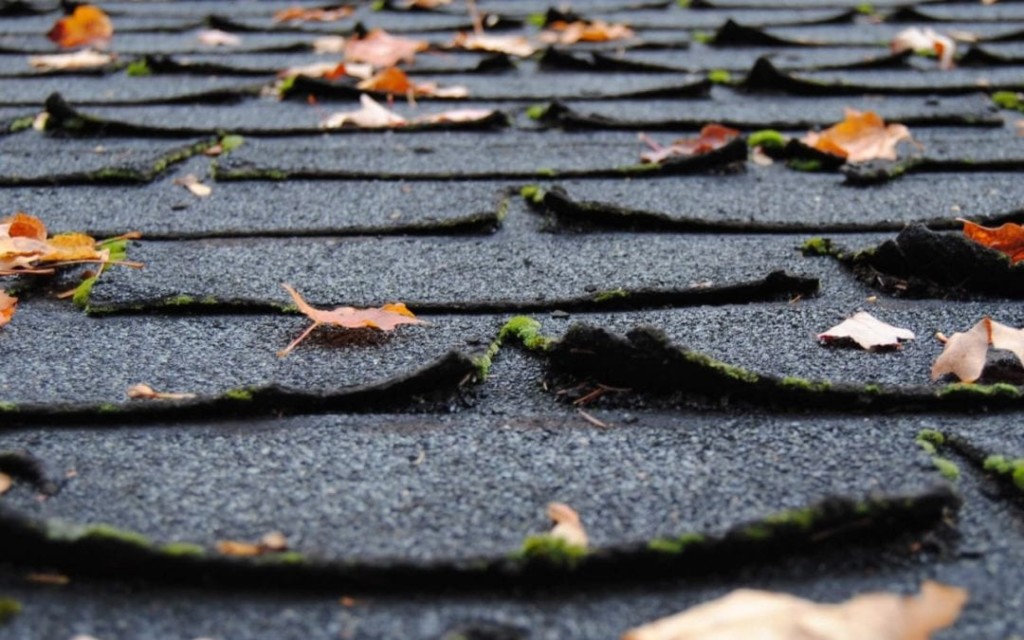
- Address Moss and Algae: Use a gentle roof cleaner or install zinc strips to deter growth.
- Repair Promptly: Fix minor issues quickly to avoid more significant damage. For guidance on when it’s time to replace your roof, see signs you need a new roof.
Longevity and When to Replace Your Shingles
The lifespan of an asphalt shingle roof depends on the product type, installation quality, and local climate. On average:
- 3-Tab Shingles: 15–20 years
- Architectural Shingles: 20–30 years
- Luxury Shingles: 30–40 years
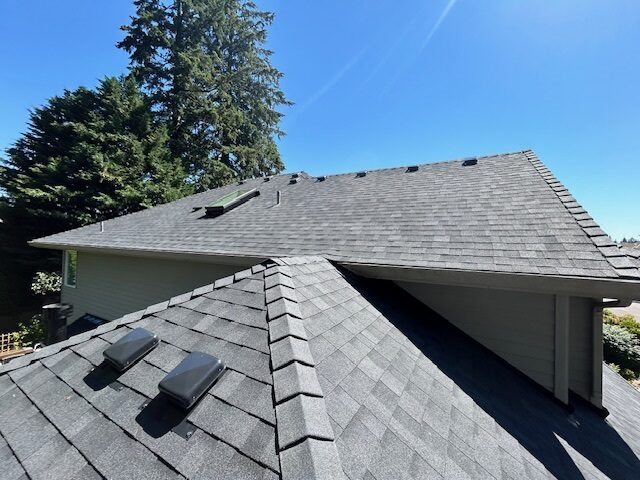
Signs that it’s time for a replacement include widespread curling, missing granules, leaks, or visible sagging. For a more detailed checklist, refer to signs you need a new roof.
Frequently Asked Questions
How do I know which asphalt shingle is right for my home?
Consider your climate, budget, and desired appearance. Architectural shingles are a popular middle ground for most homeowners, offering both durability and style. For personalized advice, review best roofing shingles for homes to compare top-rated options.
What maintenance does an asphalt shingle roof require?
Annual inspections, gutter cleaning, and prompt repairs are the most important tasks. Address moss or algae growth early, and keep nearby trees trimmed to avoid damage.
Can I install new shingles over my old roof?
While it’s possible to layer new shingles over an existing roof in some cases, it’s generally best to remove the old material. This allows for a thorough inspection of the roof deck and ensures a longer-lasting, trouble-free installation.
Conclusion
Asphalt shingle roofs continue to be a smart, cost-effective choice for homeowners in 2026. By understanding the different types, staying on top of maintenance, and choosing quality materials, you can enjoy a durable and attractive roof for decades. For more information on selection, installation, and care, explore the linked resources throughout this article.