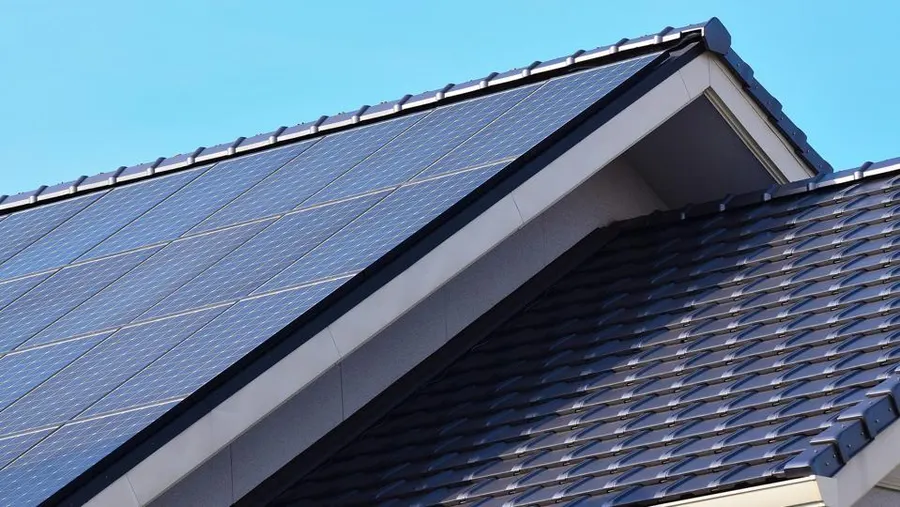
As interest in renewable energy continues to grow, more homeowners in cold climates are considering solar roofing in snowy regions as a way to reduce energy bills and increase sustainability. However, installing solar solutions in areas with heavy snowfall and harsh winters presents unique challenges. Understanding the specific factors that affect performance, maintenance, and longevity is essential for making an informed decision.
This article explores the most important aspects of integrating solar technology with roofing systems in cold, snowy environments. From snow load and panel orientation to maintenance and the latest innovations, you’ll find practical advice to help you assess if this investment is right for your home. For a broader perspective on industry developments, you can also review solar roofing market trends to see how adoption is evolving in different climates.
How Snow and Ice Impact Solar Roof Performance
One of the primary concerns for homeowners considering solar roofing in snowy regions is how snow accumulation and ice can affect energy generation. When panels are covered by snow, sunlight cannot reach the photovoltaic cells, temporarily reducing output. While most panels are installed at an angle that encourages snow to slide off, heavy or wet snow can linger, especially after storms.
Fortunately, solar panels tend to warm up slightly when exposed to sunlight, which helps melt snow faster than it would on a traditional roof. Black or dark-colored panels also absorb more heat, accelerating this process. However, persistent snow cover during the darkest winter months can still lead to lower energy production, so it’s important to factor in local weather patterns when estimating annual output.
Design Strategies for Maximizing Output in Cold Climates
Proper system design is crucial for optimizing solar roofing in snowy regions. Here are some proven strategies:
- Steeper Roof Pitch: Installing panels on a steeper slope (35–45 degrees) helps snow slide off more easily, reducing downtime after storms.
- Panel Placement: Positioning panels on south-facing roofs maximizes sun exposure, which is especially important during short winter days.
- Row Spacing: Allowing extra space between rows of panels prevents snow from piling up at the base and blocking lower modules.
- Integrated Heating: Some advanced systems include heating elements or use microinverters that generate enough warmth to help clear snow.
For a deeper dive into the latest advancements, check out the latest solar roofing technology and how it addresses these regional challenges.
Durability and Maintenance for Solar Roofs in Winter
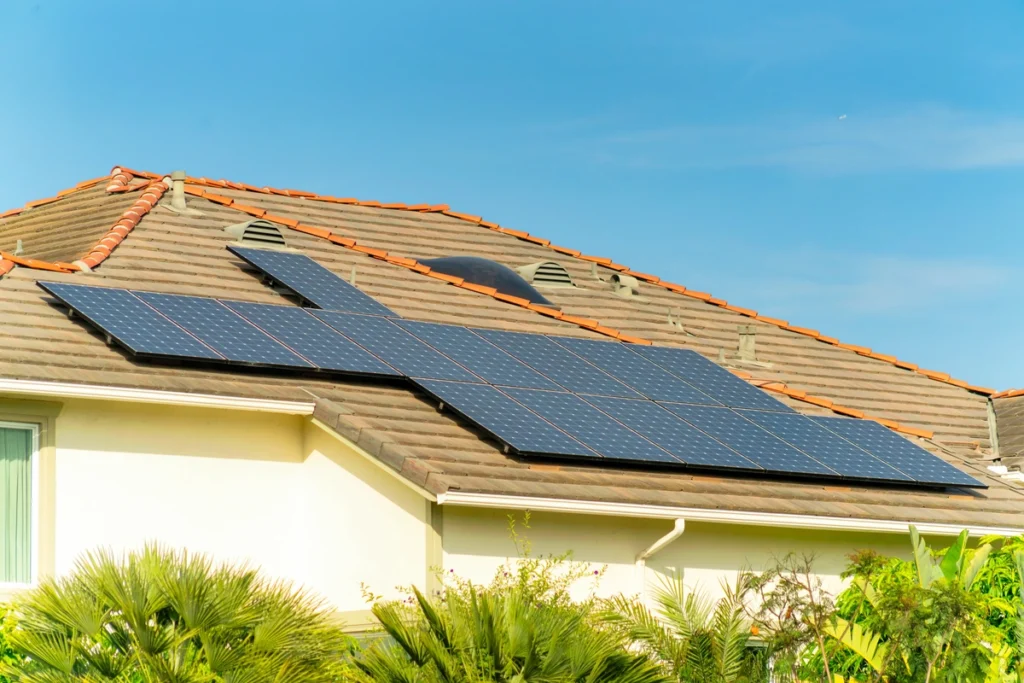
Winter conditions can be tough on any roof, but solar installations require special attention. Panels and mounting hardware must withstand freeze-thaw cycles, high winds, and the weight of accumulated snow. Choosing products rated for heavy snow loads is essential. Look for certifications that indicate compliance with local building codes and snow load requirements.
Maintenance is another key consideration. While panels are generally low-maintenance, periodic inspections are recommended to check for ice dams, debris, or damage from falling branches. In some cases, using a soft roof cleaning brush can help remove snow safely without scratching the surface. For homeowners who want to minimize manual maintenance, consider systems with slick glass coatings or self-cleaning features.
For more guidance on evaluating your property and preparing for installation, the solar roofing site assessment guide provides step-by-step advice tailored to different climates.
Innovations and Product Choices for Cold Weather
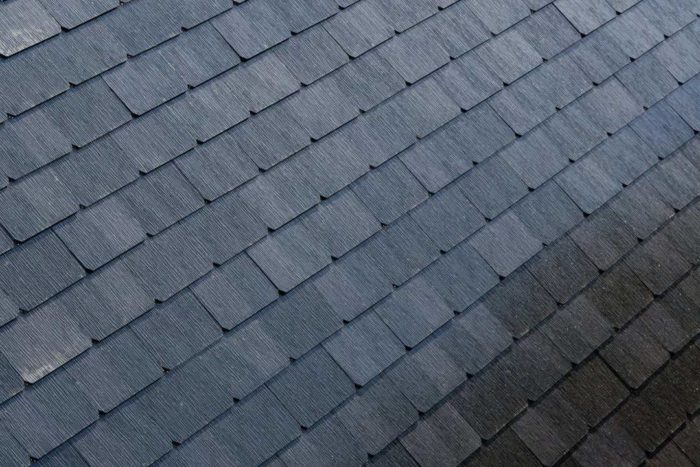
The market for solar roofing in cold climates has seen significant innovation in recent years. Manufacturers are developing products specifically engineered for snowy and icy conditions, such as textured glass tiles and robust mounting systems. Some systems integrate solar cells directly into roofing shingles, offering a streamlined look and improved weather resistance.
For example, solar shingles for snowy climates are designed to shed snow efficiently and resist cracking during freeze-thaw cycles. These products often come with extended warranties and have been tested for durability in harsh winter environments.
To stay updated on the latest breakthroughs and what’s coming next, see the overview of innovations in solar roofing and how these solutions are being adapted for northern markets.
Cost, Incentives, and Return on Investment
While upfront costs for solar roofing in cold regions may be higher due to specialized equipment and installation requirements, various incentives can help offset the investment. Many states and provinces offer rebates, tax credits, or net metering programs that make solar more affordable. Additionally, the long-term savings on heating and electricity can be substantial, especially as utility rates rise.
It’s important to work with a qualified installer who understands local codes and can accurately estimate your system’s performance based on historical weather data. A detailed site assessment will help determine the optimal system size and configuration for your property. For more on what the future holds, explore solar roofing future trends and how policy changes may impact adoption in snowy regions.
Frequently Asked Questions
Do Solar Panels Work Effectively in Snowy Climates?
Yes, solar panels can be effective in snowy climates, though energy output may temporarily decrease when panels are covered by snow. Once the snow slides off or melts, production resumes. Modern panels are designed to handle snow loads and often perform well in cold, sunny conditions.
How Do I Maintain My Solar Roof During Winter?
Maintenance is minimal but important. Inspect panels after major storms to ensure they are clear of snow and debris. Use a soft brush if needed, and avoid using metal tools that could scratch the surface. Regular checks for ice dams and proper drainage are also recommended.
Are There Special Products for Cold Weather Solar Roofing?
Yes, several manufacturers offer products specifically engineered for snowy climates, including solar shingles and panels with enhanced snow-shedding designs. Look for systems with robust mounting hardware and certifications for snow load resistance.