“`html
Improving the energy efficiency of your home is a smart way to reduce utility bills and enhance comfort. One effective method is by optimizing the insulation in your attic. Proper attic insulation can significantly reduce heat loss in the winter and keep your home cooler in the summer. In this guide, we will explore various strategies to enhance your attic’s insulation and boost your home’s energy performance.
In addition to insulation, integrating solar solutions can further enhance energy efficiency. For insights on solar technologies, explore latest solar roofing technology and how it complements attic insulation efforts.
Understanding the Importance of Attic Insulation
Attic insulation plays a crucial role in maintaining a consistent indoor temperature. Without adequate insulation, your home can lose up to 25% of its heat through the roof. This not only leads to higher heating and cooling costs but also puts additional strain on your HVAC system. By enhancing the insulation in your attic, you can create a more energy-efficient environment.
Types of Insulation Materials
There are several types of materials available for insulating your attic, each with its own benefits:
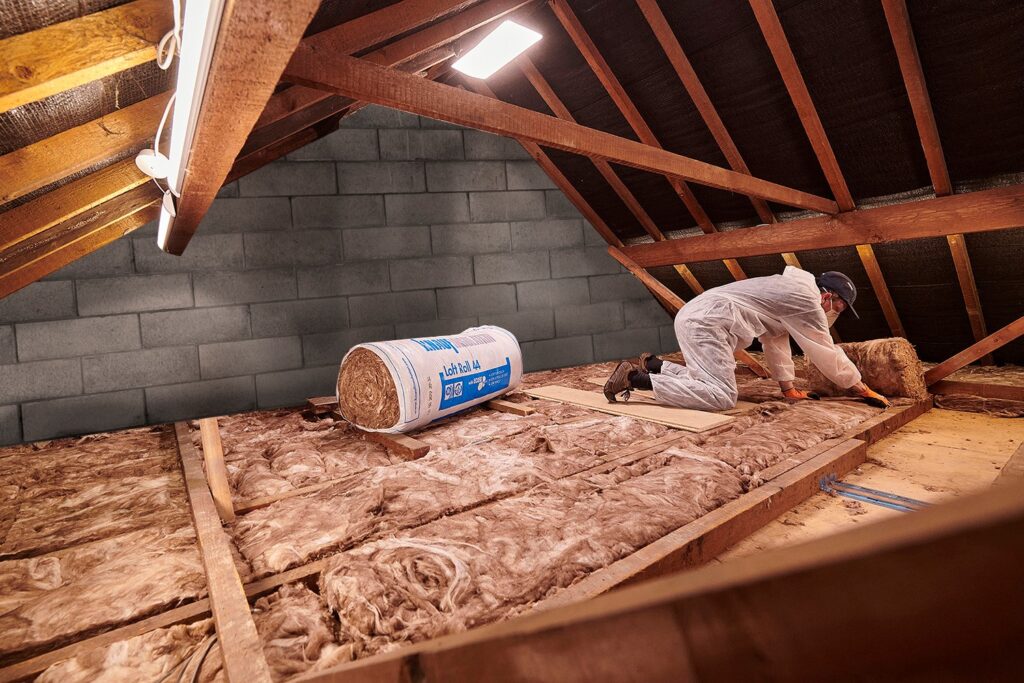
- Fiberglass Batts: These are pre-cut panels that fit between the joists in your attic. They are easy to install and provide good thermal resistance.
- Blown-In Insulation: Made from fiberglass or cellulose, this type is ideal for filling gaps and covering irregular spaces.
- Spray Foam: This offers excellent air sealing properties and is great for hard-to-reach areas.
Steps to Improve Attic Insulation
Improving your attic’s insulation involves several steps. Here’s a practical guide to help you through the process:
1. Assess Current Insulation
Begin by evaluating the existing insulation. Check for any signs of damage, such as moisture or pest infestation. Measure the thickness of the insulation to determine if additional material is needed.
2. Seal Air Leaks
Before adding new insulation, seal any air leaks in the attic. Use caulk or weatherstripping around windows, doors, and other openings to prevent air from escaping.
3. Choose the Right Insulation
Select the appropriate insulation material based on your attic’s needs and climate. Consider factors such as R-value, which indicates thermal resistance, and the ease of installation.
4. Install Insulation Properly
Follow the manufacturer’s instructions for installation. Ensure that the insulation is evenly distributed and covers all areas, including corners and edges.

Maintaining Your Attic Insulation
Regular maintenance is essential to ensure your attic insulation remains effective. Inspect the attic periodically for any signs of wear or damage. Address issues promptly to maintain optimal energy efficiency.
Frequently Asked Questions
What is the best type of insulation for attics?
The best type of insulation depends on your specific needs and budget. Fiberglass batts are affordable and easy to install, while spray foam offers superior air sealing.
How often should attic insulation be replaced?
Attic insulation can last for many years if properly maintained. However, if you notice signs of damage or reduced effectiveness, it may be time to replace it.
Can I install attic insulation myself?
Yes, many types of attic insulation can be installed as a DIY project. However, for complex installations or spray foam, it may be best to hire a professional.
“`