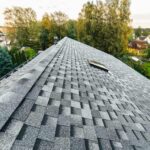
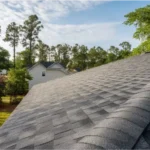
As the demand for sustainable building solutions grows, integrating solar roofing for new construction has become a top priority for homeowners, builders, and developers. Solar-integrated roofs offer a seamless way to generate renewable energy, reduce utility costs, and increase property value from the outset. By planning for solar during the design and construction phase, new builds can take full advantage of the latest advancements in solar technology, ensuring optimal efficiency and aesthetics.
This article explores the key considerations, benefits, and options for incorporating solar roof systems into new builds. If you’re interested in broader industry developments, you can learn more about solar roofing market trends for additional context.
Why Plan for Solar Roofs in New Builds?
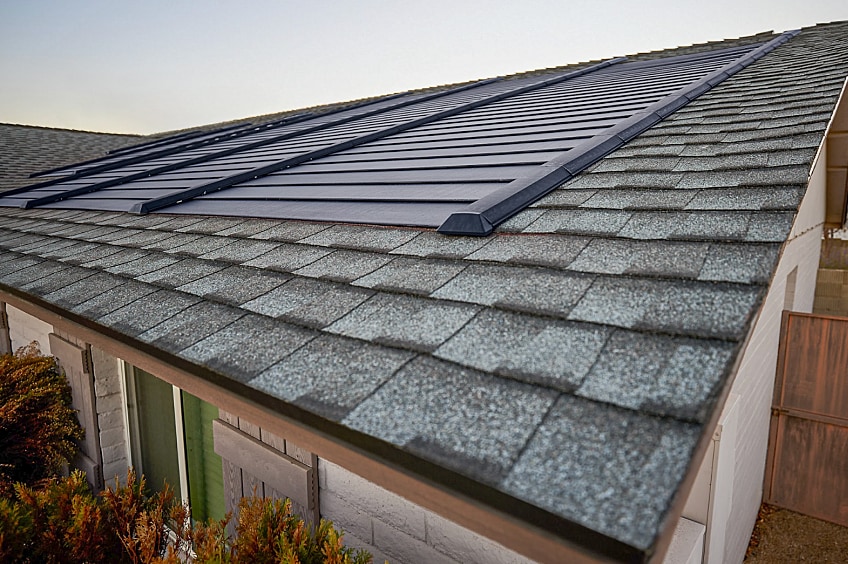
Installing solar roofing in new construction offers several advantages over retrofitting solar panels onto existing structures. By integrating solar from the start, builders can optimize roof orientation, pitch, and structural support to maximize energy production. This approach also allows for a more streamlined appearance, as solar shingles or tiles can blend seamlessly with traditional roofing materials.
Other benefits include:
- Cost savings on installation, since roofers and electricians can coordinate during construction.
- Improved energy efficiency by designing the building envelope with solar in mind.
- Enhanced curb appeal with integrated solar products that maintain a clean roofline.
- Future-proofing the property for evolving energy standards and incentives.
Types of Solar Roofing Systems for New Construction
There are two primary categories of solar roof solutions for new builds: traditional photovoltaic (PV) panels and building-integrated photovoltaics (BIPV), such as solar shingles or tiles.
Traditional PV Panels
Standard solar panels are mounted on racks above the roof surface. While highly efficient and cost-effective, they are more visible and may not suit every architectural style. For new construction, the roof can be engineered to support the weight and wiring of these systems, ensuring a secure and long-lasting installation.
Building-Integrated Photovoltaics (BIPV)
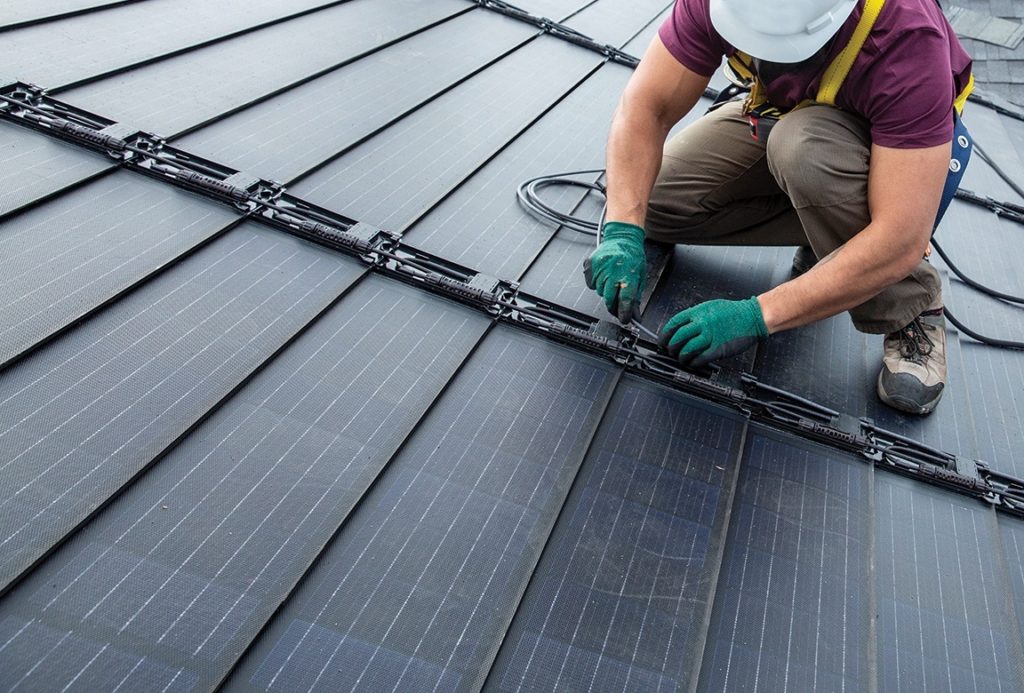
BIPV products, like solar shingles or tiles, replace conventional roofing materials and generate electricity while protecting the home. These systems offer a sleek, low-profile look and are ideal for homeowners who want renewable energy without the appearance of traditional panels. To compare these options in detail, see this in-depth guide on solar roof tiles versus solar panels.
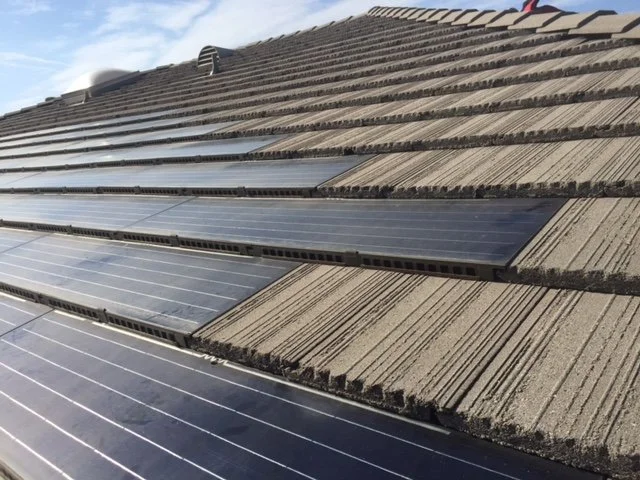
Key Design Considerations for Solar-Ready Roofs
To maximize the benefits of solar roofing for new construction, careful planning is essential. Here are some important factors to address during the design phase:
- Roof orientation and pitch: South-facing roofs with a slope between 15° and 40° typically yield the best results in North America.
- Shading: Minimize obstructions such as chimneys, trees, or neighboring buildings that could cast shadows on the solar array.
- Structural support: Ensure the roof can handle the additional weight of solar modules or integrated products.
- Wiring and conduit planning: Pre-installing conduits and dedicated electrical spaces simplifies future maintenance and upgrades.
- Roofing materials compatibility: Some solar products work best with specific roofing types, so coordinate selections early.
For a deeper dive into the latest advancements, check out latest solar roofing technology and how it can impact your project.
Installation Process for Solar Roofs in New Builds
The process of adding solar to a new home or commercial building typically involves close collaboration between architects, builders, and solar contractors. Here’s an overview of the typical workflow:
- Site assessment: Evaluate the property’s solar potential, roof size, and shading. Resources like the solar roofing site assessment guide can help with this step.
- System design: Choose between traditional panels or integrated solar products, and finalize layout and electrical plans.
- Permitting and approvals: Secure necessary building permits and utility interconnection agreements.
- Roof installation: Install the roof deck, underlayment, and either standard shingles or BIPV products.
- Solar installation: Mount panels or install solar shingles/tiles, connect wiring, and integrate with the building’s electrical system.
- Inspection and activation: Complete inspections, obtain approvals, and activate the solar system.
Cost, Incentives, and Return on Investment
While the upfront cost of solar-integrated roofs can be higher than traditional roofing, the long-term savings and incentives often make it a smart investment. Factors influencing cost include system size, product type, and local labor rates. However, new construction projects can often reduce installation expenses by combining roofing and solar labor.
Homeowners and developers may also benefit from federal tax credits, state and local rebates, and net metering programs. These incentives can significantly lower the payback period and increase the financial appeal of solar-ready homes.
For those interested in the future of solar in the building sector, the article on solar roofing future trends provides valuable insights into upcoming policy changes and market shifts.
Maintenance and Longevity of Solar Roofs
Solar-integrated roofs are designed to be durable and require minimal upkeep. Most systems are warrantied for 20–25 years, with some lasting even longer. Basic maintenance includes keeping the surface free of debris and occasionally cleaning the panels or shingles to maintain peak efficiency. Using the right tools, such as a specialized roof cleaning brush, can help extend the life of both the roofing material and the solar components.
For more on emerging products and installation methods, see the guide to innovations in solar roofing.
Frequently Asked Questions
What are the main benefits of installing solar roofs during new construction?
Planning for solar at the design stage allows for optimal roof orientation, integrated aesthetics, and lower installation costs. It also ensures the building is ready for future energy needs and can take advantage of the latest solar technologies.
How do solar shingles compare to traditional solar panels for new builds?
Solar shingles (BIPV) blend into the roof for a more attractive look, while traditional panels are usually more cost-effective and efficient. The best choice depends on your budget, design preferences, and energy goals.
Are there incentives for adding solar to new homes?
Yes, many regions offer federal tax credits, state rebates, and net metering programs that can reduce the upfront cost and improve the return on investment for solar-ready homes.
How do I ensure my new roof is solar-ready?
Work with your architect and builder to optimize roof orientation, minimize shading, and plan for electrical conduit runs. Consulting a solar professional early in the design process is highly recommended.
Conclusion
Incorporating solar roofing for new construction is a forward-thinking choice that delivers long-term savings, environmental benefits, and enhanced property value. By considering solar integration from the outset, builders and homeowners can create energy-efficient, future-ready spaces that meet modern sustainability standards.