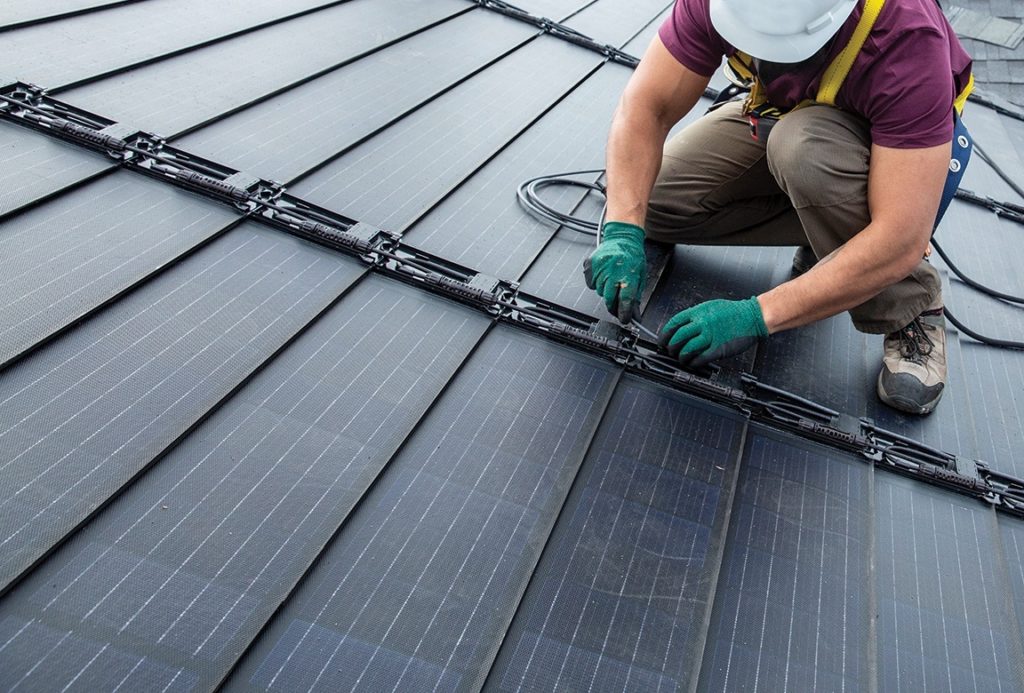
As interest in renewable energy grows, many homeowners in northern regions are evaluating how well solar roofing in cold climates performs. While solar panels are often associated with sunny, warm locations, technological advances have made them increasingly viable in areas that experience snow, ice, and freezing temperatures. This article explores how solar roofs handle winter conditions, what to look for when considering installation, and how to maximize efficiency year-round.
If you want to understand broader industry developments, you may also be interested in reading about solar roofing market trends for a deeper look at adoption rates and innovations.
How Solar Roofs Handle Snow and Ice
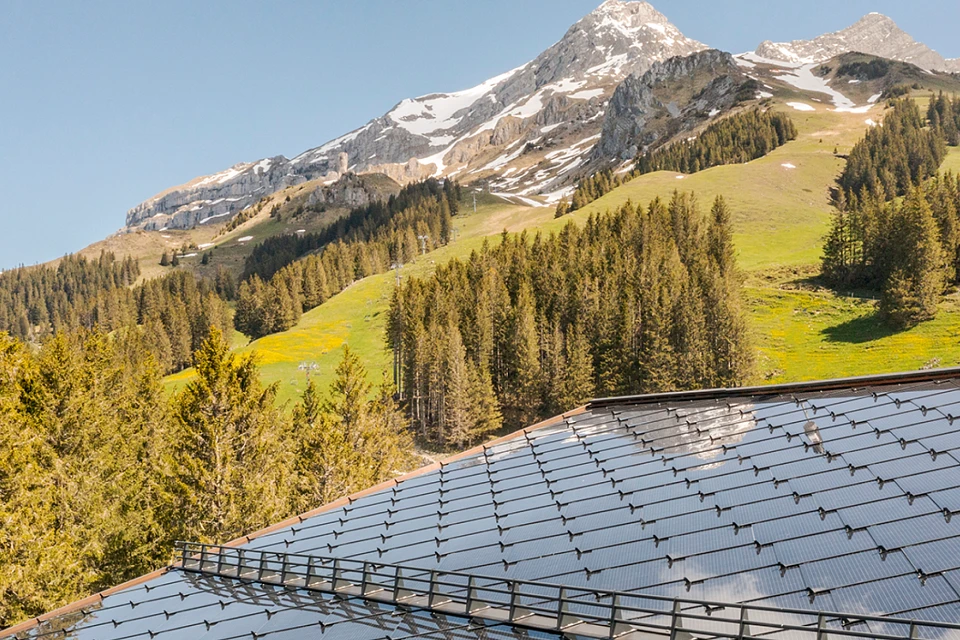
One of the most common concerns about solar roofing in cold climates is whether snow and ice will block sunlight and reduce energy production. While snow can temporarily cover panels, most modern solar roof systems are designed with smooth surfaces and a tilt that encourages snow to slide off naturally. In fact, the dark color of solar modules helps them absorb sunlight and melt snow faster than traditional roofing materials.
Additionally, panels are installed with a gap beneath them, allowing airflow that can help melt snow from below. In areas with heavy snowfall, installers may recommend steeper roof pitches or specialized mounting systems to further improve snow shedding.
Winter Efficiency: Performance Factors in Northern Regions
Contrary to popular belief, cold temperatures can actually improve the efficiency of photovoltaic cells. Solar panels operate more efficiently in cooler weather, which can offset some of the energy loss from shorter daylight hours. However, the overall energy yield in winter is still lower due to reduced sunlight and potential snow coverage.
To maximize winter performance, it’s important to consider:
- Panel orientation and tilt: South-facing roofs with an optimal angle will capture the most sunlight, even in winter.
- Shading: Bare trees in winter may reduce shading, but nearby buildings or chimneys can still block sunlight. A professional site assessment can help identify and mitigate these issues.
- Maintenance: Occasionally removing heavy snow buildup with a roof cleaning brush can help maintain energy production, but panels are generally self-clearing after storms.
Types of Solar Roofing Suited for Cold Weather
Not all solar roofs are created equal when it comes to withstanding harsh winters. Here are some options to consider:
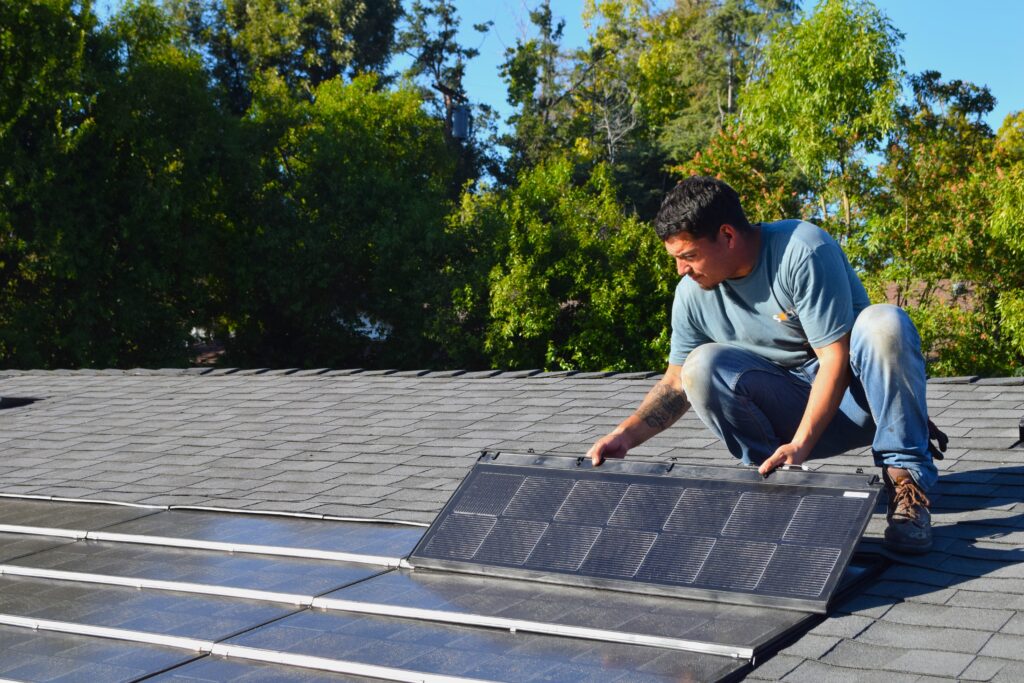
- Solar shingles and tiles: These integrated systems replace traditional roofing materials and are engineered to handle snow loads and freezing temperatures.
- Traditional solar panels: Mounted on racks above the roof, these systems allow snow to slide off more easily and provide ventilation to prevent ice dams.
- BIPV (Building-Integrated Photovoltaics): These advanced systems combine weatherproofing with energy generation, offering a seamless look and robust winter performance.
For a detailed breakdown of the pros and cons of various solar roof tile options, see this guide to the advantages and disadvantages of solar roof tiles.
Installation and Design Considerations for Cold Environments
When planning a solar roof in a region with cold winters, several design elements become especially important:
- Structural strength: Roofs must be able to support the combined weight of solar modules and accumulated snow. Professional installers will assess load-bearing capacity and recommend reinforcements if needed.
- Weatherproofing: Proper flashing, sealing, and waterproof membranes are essential to prevent leaks caused by ice dams or melting snow.
- Wiring and inverters: All electrical components should be rated for low temperatures and protected from moisture intrusion.
- Site assessment: A thorough evaluation, such as those described in this solar roofing site assessment guide, helps ensure the system is tailored to your property’s unique winter challenges.
Maintenance Tips for Solar Roofs in Winter
While solar roofs are designed to be low-maintenance, a few simple steps can help keep them operating efficiently during the coldest months:
- Monitor energy output: Use your inverter’s monitoring tools to track production and spot any drops that may indicate snow coverage or technical issues.
- Clear heavy snow if safe: Use a soft-bristled roof brush to gently remove snow from accessible panels, but avoid climbing on icy roofs or using metal tools that could damage the surface.
- Inspect after storms: Check for ice dams, loose wiring, or debris that could impact performance or safety.
- Schedule annual inspections: Professional maintenance can catch small issues before they become major problems, especially after harsh winters.
Recent Advances in Solar Roofing for Cold Weather
The last decade has seen significant progress in making solar roofs more robust and efficient for cold regions. Some of the latest developments include:
- Improved cell technology: Newer photovoltaic materials maintain high output even in low-light and subzero conditions.
- Integrated heating elements: Some systems now feature built-in heating to help melt snow and ice, reducing manual maintenance.
- Enhanced durability: Solar shingles and tiles are now tested for extreme freeze-thaw cycles and heavy snow loads.
- Smart monitoring: Real-time data and remote diagnostics help homeowners and installers quickly identify and resolve winter performance issues.
For more on the latest breakthroughs, see this overview of latest solar roofing technology and how it benefits homeowners in colder climates.
Frequently Asked Questions
Do Solar Roofs Work When It’s Snowing?
Yes, solar roofs can still generate electricity during snowfall, though output is reduced if panels are covered. Most systems are designed so snow slides off naturally, and any accumulation typically melts quickly due to the panels’ dark surfaces.
Will Cold Temperatures Damage My Solar Roof?
No, solar modules are built to withstand freezing temperatures and harsh winter weather. In fact, solar cells are more efficient in cold weather. However, it’s important to ensure proper installation and weatherproofing to prevent issues like ice dams or leaks.
How Can I Maximize Solar Production in Winter?
To get the most from your solar roof in winter, keep panels clear of heavy snow, monitor energy output, and make sure your system is installed at the optimal angle. Regular maintenance and professional inspections can also help maintain peak performance.
Conclusion
Investing in solar roofing in cold climates is a practical and sustainable choice for many homeowners. With the right system design, installation, and maintenance, solar roofs can deliver reliable energy savings even in regions with harsh winters. As technology continues to advance, performance in cold weather will only improve, making solar an increasingly attractive option for northern homes.
For more insights into emerging trends and future developments, explore articles on innovations in solar roofing and solar roofing future trends.