Understanding how to measure roof insulation is essential for homeowners, contractors, and anyone planning to improve energy efficiency in a building. Accurate measurements ensure you purchase the right amount of material, meet building codes, and maximize the benefits of insulation. This guide walks through the process step by step, highlights common mistakes, and offers practical tips for a successful project.
Before diving into the details, it’s helpful to consider the broader context of roof improvements. For those considering a full upgrade, understanding the roof upgrade cost can help you budget for both insulation and other enhancements.
Why Accurate Insulation Measurement Matters
Properly measuring your attic or roof insulation is more than just a technical task. It directly affects your home’s comfort, energy bills, and even the lifespan of your roofing materials. Too little insulation can lead to heat loss in winter and overheating in summer, while too much or poorly installed material can cause ventilation issues or moisture buildup. By following best practices for measurement, you set the stage for a successful insulation upgrade.
Tools and Materials Needed for Measurement
Before starting, gather the following tools and materials:
- Measuring tape (preferably at least 25 feet long)
- Notepad or digital device for recording measurements
- Flashlight or headlamp for attic visibility
- Protective gear (gloves, dust mask, long sleeves)
- Calculator (for area and volume calculations)
Having these items on hand makes the process safer and more efficient.
Step-by-Step Guide: Measuring Your Roof Insulation
Follow these steps to get precise measurements for your insulation project:
1. Assess the Type of Insulation and Location
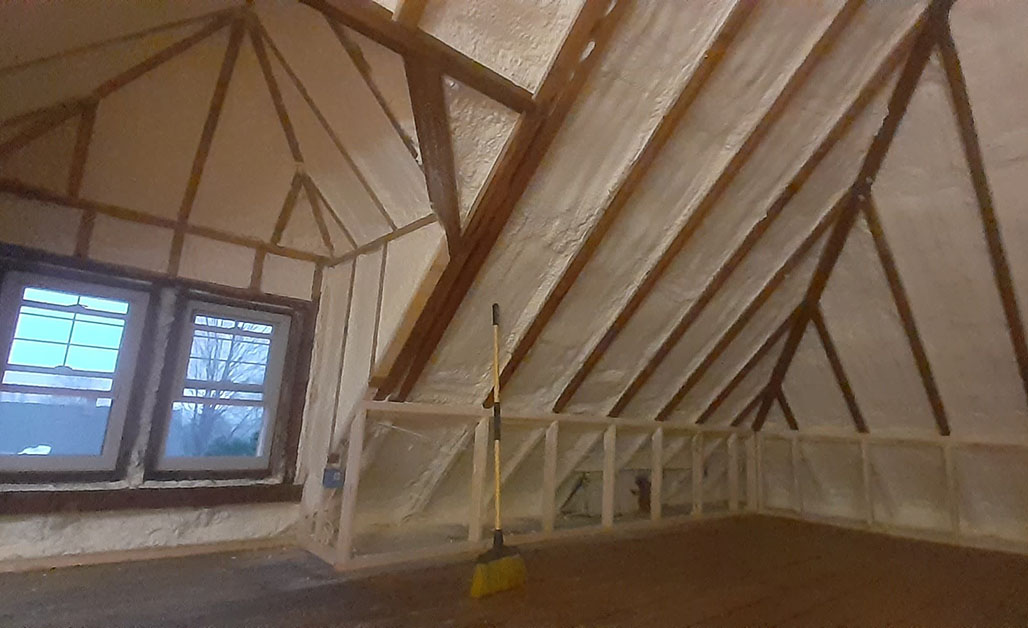
First, identify whether you are dealing with batt, blown-in, or spray foam insulation. The measurement process may vary slightly depending on the material and whether you’re working in an attic, cathedral ceiling, or other roof structure.
2. Measure the Area to Be Insulated
For most residential roofs, the area to insulate is the attic floor. To calculate the square footage:
- Measure the length and width of the attic floor using your tape measure.
- Multiply length by width to get the total area in square feet.
- If the space is irregular, break it into rectangles or squares, measure each, and add the totals together.
For example, if your attic is 30 feet long and 20 feet wide, the area is 600 square feet (30 x 20 = 600).
3. Determine the Current Insulation Depth
Use your tape measure or a ruler to check the depth of existing insulation at several points across the attic. Insulation can settle or be uneven, so take at least three to five measurements and calculate the average depth.
Record these numbers, as they will help you determine if you need to add more material to reach recommended R-values for your climate zone.
4. Calculate the Required Insulation Volume
To estimate how much new insulation you need, subtract the current depth from the recommended depth for your region. Multiply the difference by the total area to get the volume required. Manufacturers often provide coverage charts to help convert these numbers into the number of bags or rolls needed.
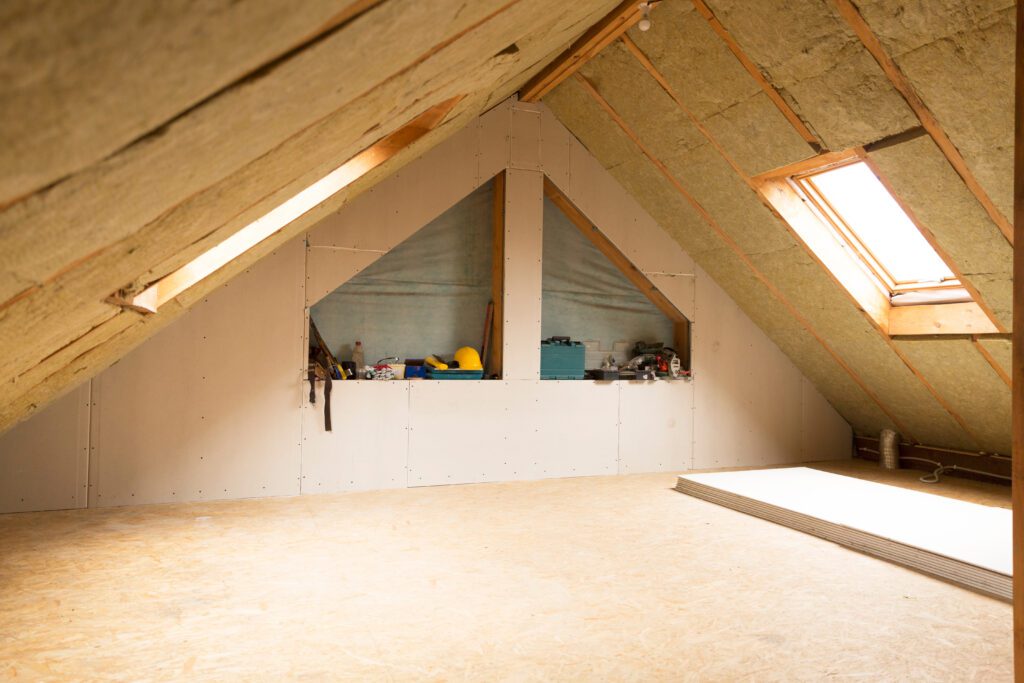
For batt insulation, measure the length and width of each cavity between joists. For blown-in insulation, use the total area and desired depth to estimate the amount required.
Understanding R-Value and Building Codes
The effectiveness of insulation is measured by its R-value, which indicates resistance to heat flow. Higher R-values mean better insulation performance. Building codes specify minimum R-values based on your location. Check local regulations or consult with a professional to ensure compliance.
For example, in colder climates, attics may require R-38 to R-60, while milder regions may only need R-30 to R-38. Always aim to meet or exceed these requirements for optimal energy savings.
Common Mistakes When Measuring Roof Insulation
Even experienced DIYers can make errors when measuring for insulation. Here are some pitfalls to avoid:
- Forgetting to account for non-rectangular spaces or obstructions like chimneys and vents
- Measuring only one spot and assuming uniform depth
- Ignoring the impact of compressed or settled insulation
- Overlooking the need for proper ventilation alongside insulation
Taking the time to measure carefully and double-check your calculations can prevent costly mistakes and ensure your insulation performs as intended.
Tips for a Successful Insulation Project
Once you have accurate measurements, consider these best practices for your insulation upgrade:
- Seal air leaks before adding insulation to maximize effectiveness
- Ensure soffit vents and attic ventilation are not blocked
- Use insulation rulers or depth markers for blown-in materials
- Wear appropriate safety gear to protect against dust and fibers
- Label and keep records of your measurements for future reference
For those planning a larger renovation, it may be helpful to review resources like the asphalt roof replacement guide to coordinate insulation with other roofing projects.
When to Call a Professional
While many homeowners can handle measuring and installing insulation themselves, certain situations call for expert help. Consider hiring a professional if:
- Your attic is difficult to access or has structural concerns
- You notice signs of moisture, mold, or pest infestations
- There are electrical or HVAC components that require special handling
Professionals can also help you avoid roofing mistakes to avoid and ensure your project meets all safety and code requirements.
Frequently Asked Questions
How do I know if my attic has enough insulation?
Check the depth of your current insulation and compare it to the recommended R-value for your region. If the insulation is below the suggested depth or looks uneven, you likely need to add more material.
Can I add new insulation over old insulation?
In most cases, yes. As long as the existing insulation is dry, free of mold, and not compressed, you can add new material on top. Avoid covering any ventilation openings and address any moisture issues before proceeding.
What is the best way to measure irregularly shaped attics?
Break the space into smaller rectangles or squares, measure each section individually, and add the areas together. For odd-shaped or hard-to-reach areas, estimate as closely as possible and round up to ensure full coverage.
Conclusion
Getting precise measurements is the foundation of an effective insulation upgrade. By following the steps outlined in this article, using the right tools, and being mindful of common pitfalls, you can improve your home’s comfort and energy efficiency. Whether you’re tackling the job yourself or working with a contractor, understanding the process will help you make informed decisions and get the best results from your investment.