Properly insulating your roof is crucial for maintaining energy efficiency and comfort in your home. With various roof insulation installation methods available, choosing the right one can significantly impact your home’s thermal performance. This guide explores different techniques, helping you make informed decisions for your insulation needs.
Before diving into the specifics, it’s worth considering how advancements in related fields, such as solar roofing market trends, can influence your insulation choices. As roofing technologies evolve, integrating insulation with other systems becomes increasingly beneficial.
Understanding Different Insulation Techniques
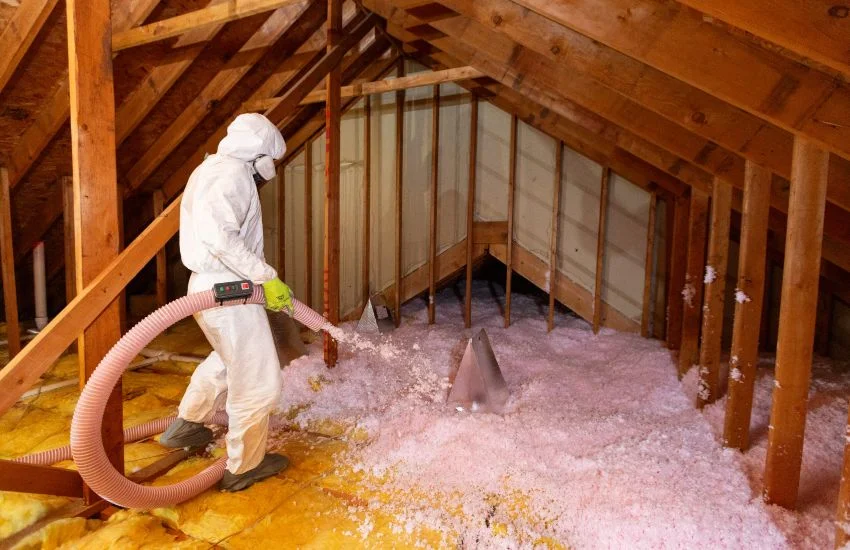
There are several methods to insulate a roof, each with its own set of benefits and considerations. Understanding these can help you select the most suitable option for your home.
Blanket Insulation
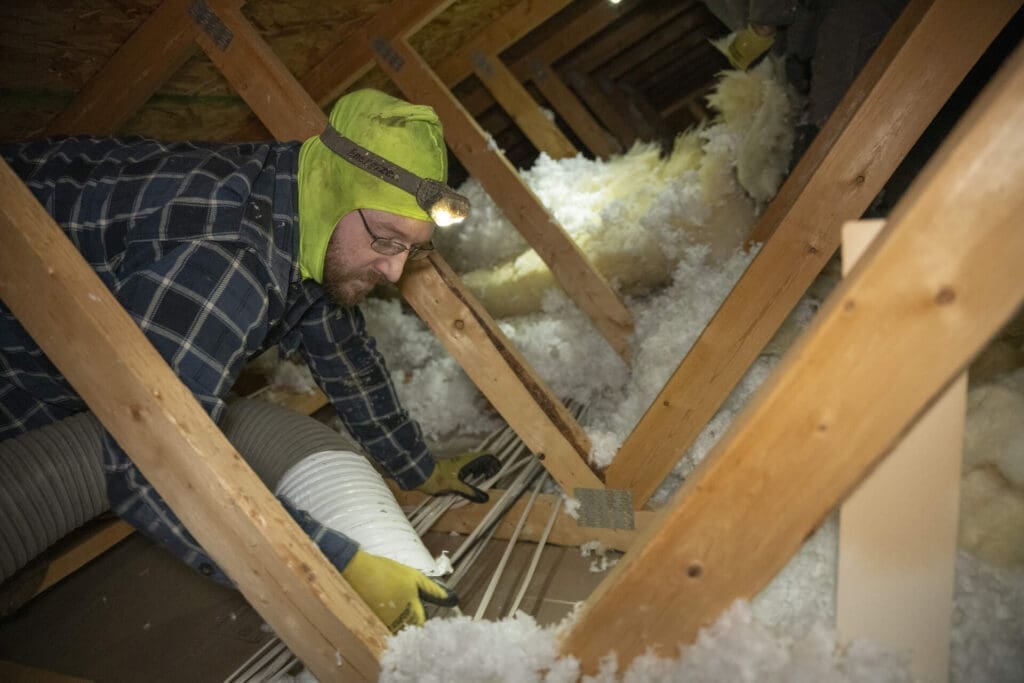
Blanket insulation, often made from fiberglass, is one of the most common methods. It comes in rolls or batts and is typically used in unfinished walls, floors, and ceilings. This method is cost-effective and easy to install, making it a popular choice for DIY enthusiasts.

Spray Foam Insulation
Spray foam insulation is a versatile option that can be used in various parts of the home. It expands upon application, filling gaps and providing excellent thermal resistance. This method is ideal for irregularly shaped areas and offers superior air sealing capabilities.
Rigid Foam Insulation
Rigid foam panels are another effective method for insulating roofs. These panels provide high insulating value with relatively little thickness, making them suitable for spaces where depth is a concern. They are often used in new constructions or major renovations.
Factors to Consider When Choosing Insulation
When selecting an insulation method, several factors should be considered to ensure optimal performance and cost-effectiveness.
Climate and Weather Conditions
The local climate plays a significant role in determining the best insulation method. In colder regions, higher R-value materials are necessary to prevent heat loss, while in warmer areas, reflective insulation might be more effective.
Budget Constraints
Your budget will influence the type of insulation you can afford. While some methods like spray foam offer superior insulation, they can be more expensive than traditional options like fiberglass batts.
Installation Complexity
Consider the complexity of installation and whether professional help is required. Some methods are straightforward and suitable for DIY projects, while others may need specialized equipment and expertise.
Maintaining Your Roof Insulation
Once installed, maintaining your roof insulation is crucial for long-term performance. Regular inspections can help identify any issues such as moisture buildup or pest infestations, which can compromise insulation effectiveness.
Regular Inspections
Conducting periodic inspections ensures that your insulation remains intact and effective. Look for signs of wear and tear, and address any issues promptly to maintain energy efficiency.
Addressing Moisture Issues
Moisture is a common enemy of insulation. Ensure your roof is well-ventilated and free from leaks to prevent moisture accumulation, which can lead to mold growth and reduced insulation performance.
Upgrading Insulation
As technology advances, consider upgrading your insulation to more efficient materials. This can improve your home’s energy efficiency and reduce heating and cooling costs over time.
Frequently Asked Questions
What is the most cost-effective insulation method?
Blanket insulation, particularly fiberglass batts, is often the most cost-effective method due to its low material cost and ease of installation.
How often should roof insulation be replaced?
Roof insulation can last 20-30 years, but it’s advisable to inspect it every few years for signs of damage or degradation.
Can insulation be added to an existing roof?
Yes, additional insulation can be added to an existing roof. Methods like spray foam or rigid foam panels can be retrofitted to improve thermal performance.