As solar energy becomes a mainstream choice for homeowners and businesses, understanding the landscape of solar roofing certifications is crucial. These certifications ensure that solar roofing products and installations meet strict safety, quality, and performance standards. Whether you’re a property owner considering a solar upgrade or a contractor aiming to stay compliant, knowing which certifications matter can help you make informed decisions and avoid costly mistakes.
Solar roofing is a significant investment, and compliance with industry standards not only protects your property but also maximizes long-term energy savings. Before diving into the technical details, it’s helpful to review related topics, such as the roof upgrade cost for high-performance shingles, to understand the broader context of roofing improvements.
Why Solar Roofing Certification Matters
Certification is more than just a label. It’s a guarantee that the solar roofing system you install meets national and international standards for safety, durability, and energy efficiency. Certified systems are more likely to:
- Qualify for government incentives and rebates
- Pass local building inspections
- Withstand harsh weather conditions
- Maintain manufacturer warranties
- Offer better resale value for your property
Uncertified or non-compliant installations can lead to failed inspections, denied insurance claims, or even safety hazards. That’s why understanding the certification process is essential for anyone involved in solar roofing projects.
Key Solar Roofing Certification Bodies and Standards
Several organizations set the benchmarks for solar roofing certifications. Here are the most recognized authorities and their roles:
UL (Underwriters Laboratories)
UL is a global safety certification company. For solar roofing, UL 1703 (for flat-plate PV modules) and UL 61730 (for PV module safety) are the most relevant standards. These certifications confirm that solar panels and shingles meet rigorous electrical and fire safety requirements.
IEC (International Electrotechnical Commission)
The IEC develops international standards for electrical technologies. IEC 61215 and IEC 61730 are widely used for photovoltaic module performance and safety. Products with these certifications are recognized worldwide for their reliability.
National Roofing Contractors Association (NRCA)
While not a certifying body, the NRCA provides guidelines and best practices for integrating solar products with traditional roofing systems. Following these recommendations helps ensure a compliant and long-lasting installation.
Other Relevant Standards
- ASTM International: Sets standards for material quality and testing procedures.
- FM Approvals: Focuses on property loss prevention and insurability.
- Building Codes: Local codes often reference national standards and may require specific certifications for solar roofing systems.
Types of Solar Roofing Products and Their Certification Needs
Solar roofing comes in several forms, each with unique certification requirements:
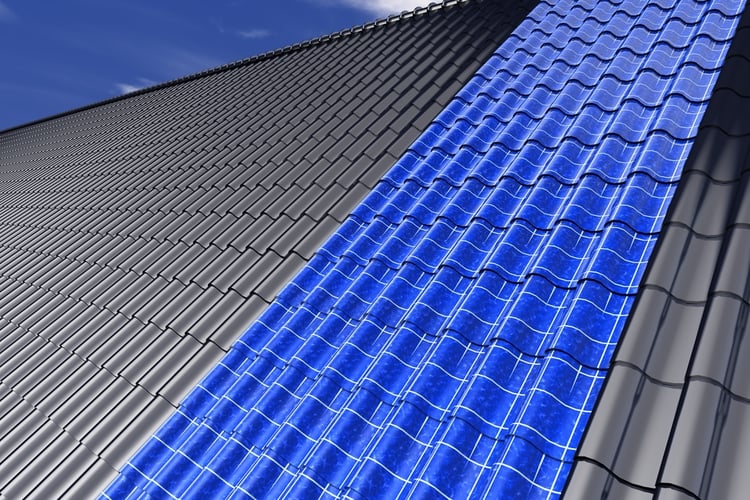
- Solar Shingles and Tiles: These products must meet both roofing and electrical standards. Look for UL and IEC certifications, as well as compliance with local fire and wind codes.
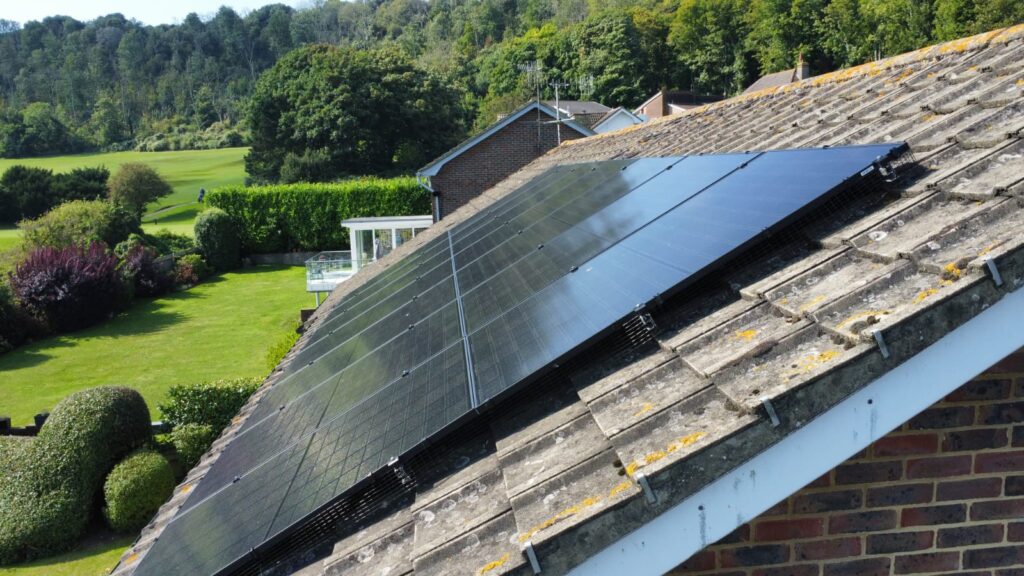
- Traditional Solar Panels: Mounted on top of existing roofs, these require electrical safety certification and mounting system approval.
- Integrated Solar Roofs: Fully integrated systems, like those from major manufacturers, must pass stringent testing for weather resistance and structural integrity.
For more details on solar tile technology and its certification landscape, see this comprehensive guide to solar tiles.
Compliance Steps for Homeowners and Contractors
Ensuring your solar roofing project meets all compliance requirements involves several steps:
- Research Local Codes: Start by checking your city or county’s building codes. Some areas have unique requirements for solar installations.
- Select Certified Products: Always choose solar panels, shingles, or tiles that carry recognized certifications such as UL, IEC, or FM Approvals.
- Hire Qualified Installers: Work with contractors who are familiar with both roofing and solar standards. They should be able to provide proof of training and certification.
- Obtain Permits: Secure all necessary permits before starting installation. This often includes submitting product certification documents for review.
- Schedule Inspections: After installation, local authorities will inspect the system to ensure compliance. Passing inspection is usually required before connecting to the grid.
Skipping any of these steps can result in delays, fines, or the need for costly rework. For those considering a full roof replacement, reviewing resources like the asphalt roof replacement guide can provide additional context on integrating solar with new roofing materials.
Common Mistakes to Avoid in Solar Roofing Compliance
Even experienced professionals can make errors when it comes to certification and compliance. Some frequent pitfalls include:
- Using uncertified or counterfeit solar modules
- Overlooking local fire and wind resistance requirements
- Improper integration with existing roofing systems
- Failing to maintain documentation for inspections and warranties
To minimize risk, always verify product certifications and consult with experts who understand both solar and roofing standards. For more on avoiding costly errors, see this guide on roofing mistakes to avoid during installation projects.
Maintaining Certification and Warranty Coverage
Once your solar roof is installed, ongoing compliance is just as important as initial certification. Here’s how to keep your system in good standing:
- Regular Inspections: Schedule periodic checks by certified professionals to ensure all components remain in good condition and compliant with evolving standards.
- Proper Cleaning and Maintenance: Use approved tools and methods to avoid damaging certified surfaces. This helps maintain both performance and warranty coverage.
- Documentation: Keep all certification documents, inspection reports, and warranty information organized and accessible. This is especially important if you plan to sell your property or file an insurance claim.
Staying proactive with maintenance and paperwork will help you avoid issues down the line and ensure your investment continues to deliver value.
FAQ: Solar Roofing Certification and Compliance
What certifications should I look for when choosing solar roofing products?
Look for products with UL (such as UL 1703 or UL 61730), IEC (such as IEC 61215 and IEC 61730), and FM Approvals certifications. These indicate that the products have passed rigorous safety and performance tests. Always check for compliance with local building codes as well.
Do I need a certified installer for my solar roof?
While not always legally required, hiring a certified installer is strongly recommended. Certified professionals are trained to follow best practices and ensure your system meets all relevant standards, which is important for passing inspections and maintaining warranties.
Can uncertified solar roofing affect my insurance or property value?
Yes. Uncertified or non-compliant installations can lead to denied insurance claims, reduced property value, or even safety hazards. Certified systems are more likely to be approved by insurers and add value to your home or business.
Conclusion
Understanding and adhering to solar roofing certifications is essential for safe, efficient, and legally compliant solar installations. By selecting certified products, working with qualified professionals, and staying up to date with maintenance and documentation, you can protect your investment and enjoy the full benefits of solar energy. For more insights on roof upgrades and integrating solar with modern materials, explore resources like the guide to replacing old asphalt roofs and stay informed about the latest industry standards.