Properly insulating your attic is one of the most effective ways to improve home energy efficiency, maintain comfortable indoor temperatures, and protect your roof structure. However, even well-intentioned homeowners and contractors can make errors that undermine the benefits of attic insulation. Recognizing and avoiding these attic insulation common mistakes can save you money, prevent future headaches, and ensure your insulation delivers long-term results.
Before diving into the most frequent pitfalls, it’s important to understand that attic insulation is closely linked to your roof’s performance and lifespan. If you’re considering a roof upgrade or have recently completed a project, reviewing your insulation practices is essential. For more insights on optimizing your roofing investment, see this detailed guide on roof upgrade cost.
Why Attic Insulation Errors Happen
Many insulation issues arise from a lack of knowledge about building science, improper installation techniques, or using the wrong materials for a specific attic environment. Some homeowners try to cut costs with DIY approaches, while others trust contractors who may not specialize in attic work. Regardless of the cause, these missteps can lead to higher energy bills, moisture problems, and even structural damage.
Overlooking Air Sealing Before Insulating
One of the most overlooked attic insulation common mistakes is failing to seal air leaks before adding new insulation. Gaps around light fixtures, plumbing vents, and attic hatches allow warm, moist air from your living space to enter the attic. This can reduce insulation effectiveness and create condensation issues that promote mold growth and wood rot.
- Always use caulk or spray foam to seal cracks and penetrations before installing insulation.
- Pay special attention to areas where different building materials meet, such as top plates and soffits.
- Don’t forget to weatherstrip attic access doors or hatches.
Using the Wrong Type or Amount of Insulation
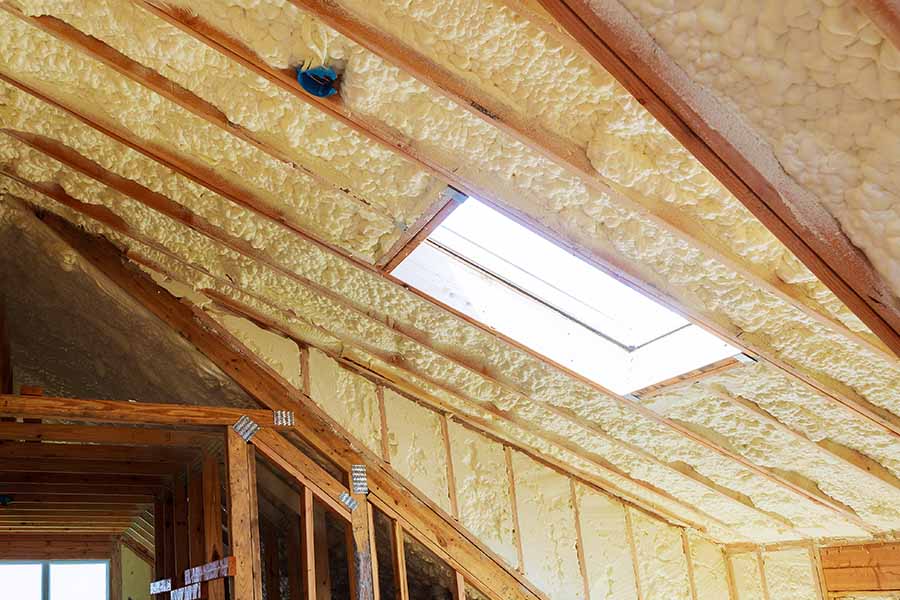
Choosing the correct insulation material and thickness is crucial. Using the wrong product or not enough of it is a frequent error that can compromise your attic’s thermal barrier. The recommended R-value (a measure of thermal resistance) varies by climate zone, so it’s important to follow local building codes and guidelines.
- Fiberglass batts, blown-in cellulose, and spray foam each have unique properties and installation requirements.
- Insufficient insulation leaves your home vulnerable to heat loss in winter and heat gain in summer.
- Over-insulating can also cause problems, such as trapping moisture if ventilation is inadequate.
Consult an insulation professional or your local building department to determine the right R-value for your region.
Poor Installation Techniques
Even high-quality insulation won’t perform well if it’s installed incorrectly. Common installation mistakes include compressing batts, leaving gaps, or failing to cover the entire attic floor. These errors create thermal bridges—areas where heat can bypass the insulation and escape.
- Ensure insulation is evenly distributed and not compressed under storage items or walkways.
- Fill all cavities completely, especially around joists and in hard-to-reach corners.
- Don’t block ventilation paths with insulation—maintain clear soffit and ridge vents.
Ignoring Ventilation Needs
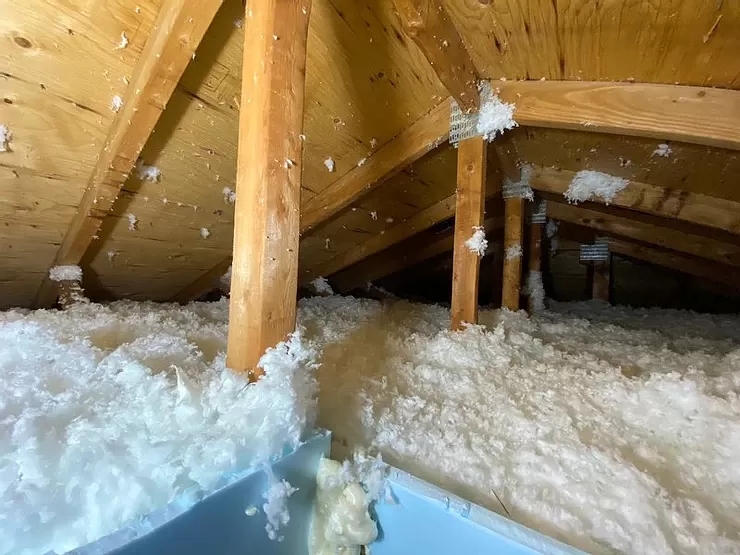
Proper attic ventilation is essential for moisture control and temperature regulation. Blocking vents with insulation or failing to provide adequate airflow can lead to condensation, mold, and even premature roof deterioration. This is one of the most significant attic insulation common mistakes that homeowners make, especially in older homes or during retrofits.
- Keep soffit, ridge, and gable vents unobstructed at all times.
- Use baffles or vent chutes to maintain airflow from eaves to ridge.
- Check for signs of moisture, such as frost or damp insulation, during cold weather.
For more on avoiding critical errors during roof projects, see the article on roofing mistakes to avoid.
Covering or Blocking Recessed Lighting and Fixtures
Insulation should never be placed directly over non-IC-rated recessed lights or electrical fixtures, as this poses a fire hazard. Always check the type of fixtures in your attic and use insulation shields or maintain proper clearances as required by code. If you’re unsure, consult an electrician or insulation specialist before proceeding.
Neglecting Moisture and Vapor Control
Moisture problems in the attic can result from improper vapor barrier installation or lack of one altogether. In some climates, a vapor barrier is necessary to prevent warm, moist indoor air from reaching cold attic surfaces, where it can condense and cause damage.
- Install vapor barriers on the warm side of the insulation in cold climates.
- Do not use vapor barriers in hot, humid climates unless specifically recommended.
- Check local codes for vapor barrier requirements and best practices.
Forgetting About Attic Access and Storage
Another frequent oversight is failing to insulate and air seal attic access points, such as pull-down stairs or hatches. These areas can be major sources of heat loss if not properly addressed. Additionally, placing heavy items directly on insulation compresses it, reducing its effectiveness.
- Use insulated attic stair covers or weatherstripping for access doors.
- Build raised platforms for storage to avoid compressing insulation layers.
Signs of Insulation Problems and When to Act
How do you know if your attic insulation is underperforming? Watch for these warning signs:
- Uneven temperatures between rooms or floors
- Ice dams forming on the roof in winter
- High heating and cooling bills
- Drafts or cold spots near ceilings
- Visible gaps, compressed, or damp insulation in the attic
If you notice any of these issues, it may be time to reassess your attic insulation strategy. Addressing problems early can prevent further damage and improve your home’s comfort and efficiency.
Best Practices for Effective Attic Insulation
To avoid costly errors and maximize the benefits of your attic insulation, keep these best practices in mind:
- Seal air leaks thoroughly before adding new insulation.
- Choose the right insulation type and R-value for your climate.
- Install insulation evenly and avoid compressing it.
- Maintain proper attic ventilation at all times.
- Follow safety guidelines around electrical fixtures and heat sources.
- Address moisture and vapor control based on your region’s needs.
- Insulate and seal all attic access points.
Taking a comprehensive approach ensures your attic insulation performs as intended and protects your home for years to come.
Frequently Asked Questions
What is the most common mistake made during attic insulation?
The most frequent error is neglecting to seal air leaks before installing insulation. This allows conditioned air to escape and moisture to enter, reducing the effectiveness of your insulation and potentially causing long-term damage.
How can I tell if my attic insulation is working properly?
Signs of effective insulation include consistent indoor temperatures, lower energy bills, and no visible gaps or compression in the insulation material. If you notice drafts, uneven temperatures, or high utility costs, your attic insulation may need improvement.
Is it possible to add too much insulation in the attic?
Yes, over-insulating can trap moisture if ventilation is inadequate, leading to mold and structural issues. Always follow local building codes and ensure proper attic airflow when adding insulation.