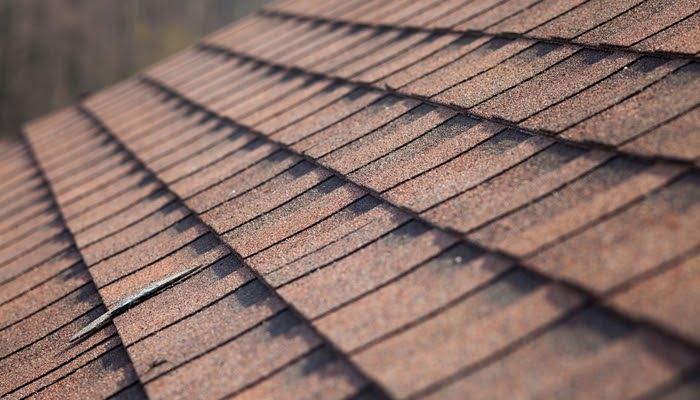
Choosing the right shingles for your roof is a significant decision that affects your home’s durability, appearance, and value. With so many options available, understanding the differences between various shingle materials and styles is essential. This guide provides a thorough roofing shingles types comparison to help you evaluate your choices and select the best fit for your needs, climate, and budget.
Whether you’re replacing an old roof or building a new home, the right shingle can make a big difference in longevity, maintenance, and curb appeal. We’ll explore the most popular shingle types, their pros and cons, and what factors you should consider before making your decision. For those interested in more detailed information on specific materials, the asphalt roof overview offers an in-depth look at one of the most common options.
Understanding the Main Types of Roofing Shingles
Before diving into a detailed comparison of roofing shingles types, it’s helpful to know the main categories available. Each type has unique characteristics, costs, and performance attributes that may make it more or less suitable for your project.
- Asphalt Shingles: The most popular choice in North America, known for affordability and versatility.
- Wood Shingles and Shakes: Offer a natural, rustic look but require more maintenance.
- Metal Shingles: Durable and energy-efficient, with a modern or traditional appearance depending on style.
- Slate Shingles: Extremely long-lasting and elegant, but heavy and costly.
- Clay and Concrete Tiles: Common in warmer climates, prized for their durability and distinctive look.
- Synthetic or Composite Shingles: Mimic natural materials while offering improved durability and lower maintenance.
Each material comes with its own set of advantages and drawbacks. The best choice depends on your climate, roof structure, aesthetic preferences, and budget.
Asphalt Shingles: The Leading Contender
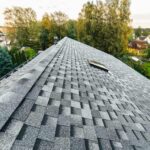
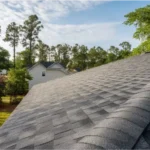
Asphalt shingles dominate the residential roofing market due to their balance of cost, performance, and style options. There are three main varieties:
- 3-Tab Shingles: Lightweight, flat, and budget-friendly. They offer a clean, uniform look but typically last 15–20 years.
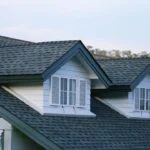
- Architectural (Dimensional) Shingles: Thicker and layered for a more dimensional appearance. They provide better durability and can last 25–30 years or more.
- Luxury Shingles: Designed to mimic slate or cedar, these are the most durable asphalt option and offer enhanced curb appeal.
For a deeper dive into these options, see the types of asphalt shingles resource.
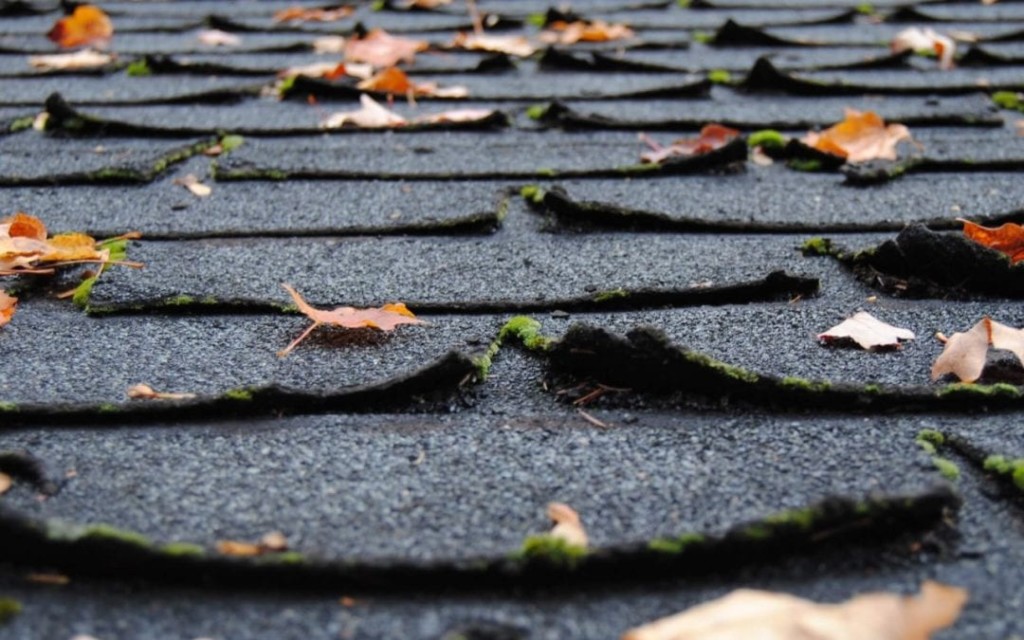
Advantages: Asphalt shingles are easy to install, widely available, and come in a range of colors and styles. They offer good fire resistance and are suitable for most climates.
Drawbacks: They may be less durable than premium materials and can be prone to damage from severe weather or improper installation. Regular inspection and maintenance are important to maximize their lifespan.
Wood, Metal, and Slate: Comparing Alternative Shingle Materials
While asphalt is the most common, other materials offer unique benefits and aesthetics. Here’s how they stack up in a roofing shingles types comparison:
| Material | Average Lifespan | Pros | Cons |
|---|---|---|---|
| Wood (Shingles/Shakes) | 20–40 years | Natural beauty, eco-friendly, moderate insulation | High maintenance, fire risk, susceptible to rot/insects |
| Metal | 40–70 years | Durable, lightweight, energy-efficient, recyclable | Higher upfront cost, may dent, noise in rain |
| Slate | 75–100+ years | Extremely durable, fireproof, elegant appearance | Very heavy, expensive, requires reinforced roof structure |
| Clay/Concrete Tile | 50–100 years | Excellent longevity, fire-resistant, distinctive look | Heavy, costly, may break under impact |
| Synthetic/Composite | 30–50 years | Lightweight, mimics natural materials, lower maintenance | Varied quality, newer product (less proven track record) |
Each of these materials can be the right choice depending on your priorities. For example, metal is ideal for homeowners seeking longevity and energy efficiency, while slate or tile is perfect for those prioritizing aesthetics and lifespan—provided the roof structure can support the weight.
Factors to Consider When Comparing Shingle Options
When conducting a roofing shingles types comparison, it’s important to weigh several factors to determine which material aligns best with your needs:
- Climate: Some shingles perform better in certain weather conditions. For example, metal sheds snow easily, while clay tiles excel in hot, dry climates.
- Budget: Asphalt is the most affordable, while slate and tile are premium options. Consider both initial cost and long-term value.
- Roof Pitch and Structure: Heavy materials like slate and tile require a strong roof frame. Not all homes can accommodate them without reinforcement.
- Maintenance: Wood requires regular care, while asphalt and metal are relatively low-maintenance.
- Appearance: Choose a style and color that complements your home’s architecture and neighborhood.
- Resale Value: Premium materials can boost curb appeal and property value, but may not always offer a full return on investment.
For those interested in integrating renewable energy, exploring solar roofing market trends can provide additional options that combine durability with energy savings.
Longevity and Maintenance: What to Expect from Each Shingle Type
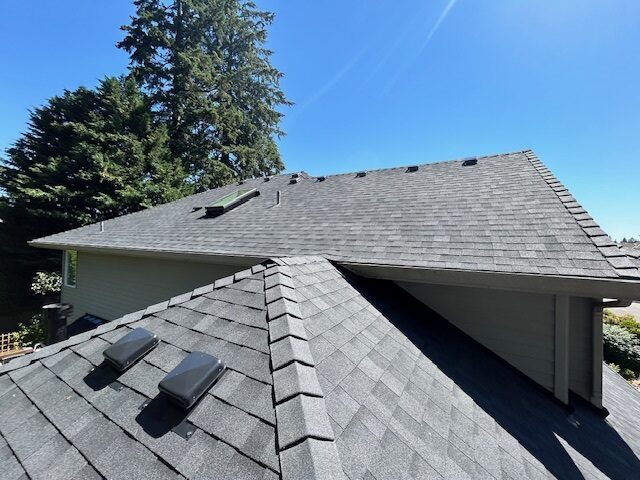
The expected lifespan and upkeep requirements of your roofing material are critical considerations. Asphalt shingles typically last 15–30 years depending on the variety and climate. Wood shingles, while beautiful, require regular cleaning and treatments to prevent moss, rot, and insect damage.
Metal roofs can last 40–70 years with minimal maintenance, needing only occasional inspections for fastener or coating issues. Slate and tile roofs are among the most durable, often lasting over a century if installed correctly, but repairs can be costly and require specialized expertise.
Composite shingles offer a good balance of longevity and low maintenance, with many products designed to resist algae, impact, and UV damage. For more on the performance and care of asphalt materials, see what is asphalt shingle roofing.
Cost Comparison: Upfront and Long-Term Value
Initial cost is often a deciding factor, but it’s important to consider total value over the roof’s lifespan. Asphalt shingles are the most budget-friendly, with installation costs typically ranging from $3 to $5 per square foot. Metal and composite shingles cost more upfront ($7–$12 per square foot), but their longevity can make them cost-effective in the long run.
Slate and tile are premium choices, often exceeding $15 per square foot installed. While expensive, their durability and classic appearance can justify the investment for some homeowners. For a broader overview of shingle types and costs, check out this comprehensive guide to 16 types of roofing shingles.
Frequently Asked Questions
Which shingle type lasts the longest?
Slate and clay tile shingles offer the greatest longevity, often lasting 75–100 years or more when properly installed and maintained. Metal shingles are also highly durable, with lifespans of 40–70 years.
Are asphalt shingles a good choice for all climates?
Asphalt shingles perform well in most climates, but extreme heat, cold, or frequent severe weather can shorten their lifespan. Architectural and luxury asphalt shingles offer improved durability over basic 3-tab varieties.
How do I choose the best shingle for my home?
Consider your local climate, roof structure, budget, and desired appearance. Consult with a roofing professional to evaluate your options and ensure your choice meets building codes and warranty requirements.
Conclusion: Making the Right Choice for Your Roof
Comparing the different types of roofing shingles is essential for making an informed decision. Each material offers distinct advantages in terms of cost, appearance, durability, and maintenance. Take time to evaluate your priorities and consult with a qualified roofer to ensure the best outcome for your home. With the right information and careful planning, you can select a roofing solution that protects your investment and enhances your property’s value for years to come.