Solar roofing has become an increasingly popular choice for both homeowners and business owners looking to reduce energy costs, increase property value, and support sustainability efforts. By integrating photovoltaic technology directly into roofing materials, solar roofs offer a seamless and efficient way to harness renewable energy. This article explores the many benefits of solar roofing, practical considerations, and how this investment can transform your property’s energy profile.
Whether you’re considering a new roof or looking to upgrade your current system, understanding the advantages of solar-integrated solutions is essential. Along the way, we’ll also highlight related improvements—such as insulation upgrades—that can further enhance your building’s efficiency. For example, learning about how attic insulation prevents mold growth can help you maximize the overall performance of your building envelope.
How Solar Roofing Works
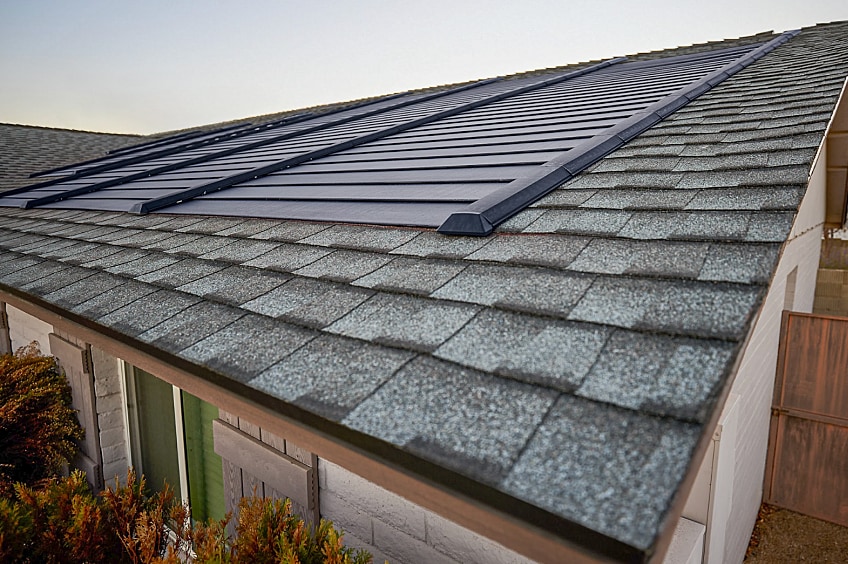
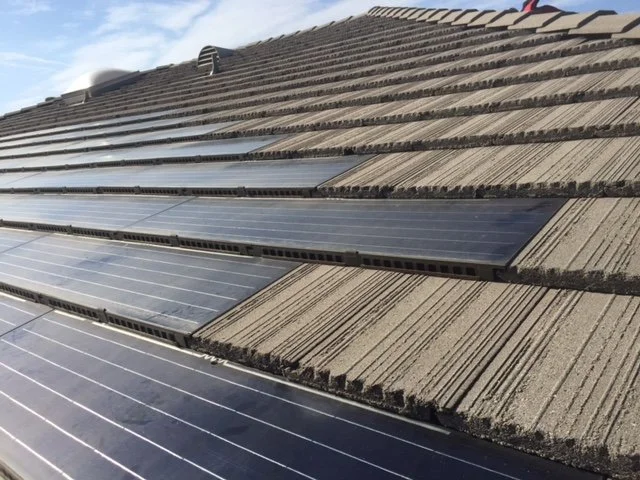
Solar roofing uses advanced photovoltaic cells embedded within roofing materials such as shingles or tiles. Unlike traditional solar panels that are mounted on top of an existing roof, these integrated systems blend seamlessly with the roofline, offering a more streamlined appearance. When sunlight hits the solar cells, it generates electricity that can be used to power your home or business, stored in batteries, or fed back into the grid.
There are several types of solar roofs, including solar shingles and solar tiles. Each type is designed to provide weather protection while generating clean energy. For a detailed comparison between different solar roofing technologies, you can read this guide to solar roof tiles versus solar panels.
Key Advantages for Residential and Commercial Properties
The benefits of solar roofing extend well beyond simple energy savings. Here are some of the most significant advantages for both homes and businesses:
- Reduced Energy Bills: By generating your own electricity, you can significantly lower monthly utility costs. Excess energy can often be sold back to the grid through net metering programs.
- Increased Property Value: Properties with solar roofs are often valued higher and sell faster, thanks to their lower operating costs and eco-friendly appeal.
- Environmental Impact: Solar roofing helps reduce reliance on fossil fuels, lowering your carbon footprint and supporting broader sustainability goals.
- Minimal Maintenance: Integrated solar roofs are designed to be durable and require little upkeep beyond occasional cleaning, especially when compared to traditional rooftop solar panels.
- Tax Incentives and Rebates: Many regions offer financial incentives, such as tax credits and rebates, for installing solar energy systems, making the investment even more attractive.
- Enhanced Curb Appeal: Modern solar shingles and tiles blend with architectural styles, providing a sleek and attractive finish.
Financial and Environmental Benefits of Solar Roofing
One of the most compelling reasons to invest in solar roofing is the potential for long-term savings. By generating your own power, you can offset a significant portion of your electricity expenses. Over time, these savings can add up to thousands of dollars, especially as energy prices continue to rise.
In addition to cost savings, solar roofs contribute to a healthier environment. Every kilowatt-hour of solar energy produced reduces greenhouse gas emissions and decreases demand for nonrenewable resources. For businesses, this environmental stewardship can also enhance brand reputation and appeal to eco-conscious customers.
Return on Investment and Incentives
The initial cost of a solar roof can be offset by various local, state, and federal incentives. Tax credits, rebates, and net metering policies can significantly reduce the payback period. In many cases, property owners see a return on their investment within 7 to 12 years, depending on system size, energy usage, and available incentives.
Durability and Maintenance Considerations
Modern solar roofing products are engineered to withstand harsh weather, including hail, wind, and heavy rain. Unlike traditional solar panels, which may require additional mounting hardware and can be vulnerable to wind uplift, integrated solar shingles are part of the roof itself, offering a lower profile and greater resilience.
Maintenance is generally minimal. Occasional cleaning to remove dust, leaves, or snow will help maintain peak efficiency. Using a specialized roof cleaning brush can make this task easier and safer. For those interested in maximizing the lifespan and performance of their roof, it’s also wise to periodically inspect roof insulation for signs of damage or wear.
Choosing the Right Solar Roofing Solution
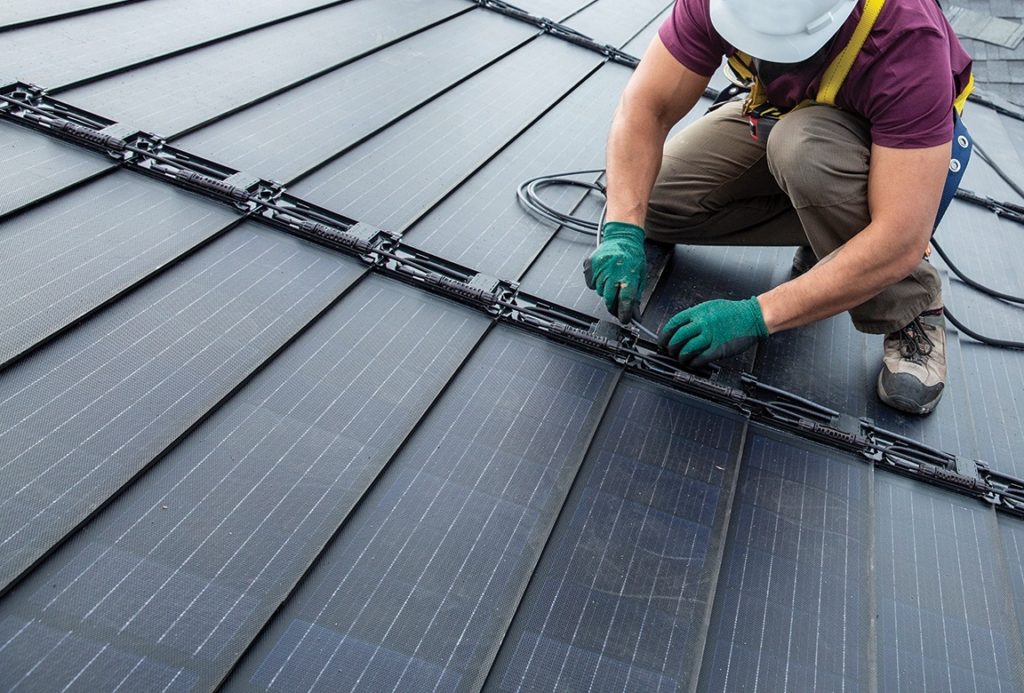
Selecting the best solar roof for your needs depends on several factors, including roof orientation, shading, local climate, and budget. It’s important to work with a qualified installer who can assess your property and recommend the most effective system. Some products are better suited for new construction, while others can be retrofitted onto existing structures.
For those considering additional upgrades, improving attic insulation can further enhance energy efficiency. For example, learning how attic insulation affects comfort in summer can help you maintain a consistent indoor temperature and reduce HVAC loads.
Integrating Solar with Other Efficiency Measures
Combining solar roofing with other energy-saving strategies—such as high-performance insulation, energy-efficient windows, and smart thermostats—can maximize your return on investment. Not only will you generate clean energy, but you’ll also reduce overall consumption, leading to even greater savings and comfort.
Common Questions About Solar Roofing
How Long Does a Solar Roof Last?
Most solar roofing systems are designed to last 25 to 30 years or more, with warranties often covering both the roofing material and the solar components. Regular maintenance and prompt repairs can help ensure your system reaches its full lifespan.
Will Solar Roofing Work in Cloudy or Cold Climates?
Yes, solar roofs can still generate electricity in less sunny regions. While output may be lower on cloudy days, modern photovoltaic technology is efficient enough to produce energy even in diffuse light. Cold temperatures do not harm solar cells and can actually improve their efficiency.
Is Solar Roofing Suitable for All Roof Types?
Solar shingles and tiles are most effective on roofs with good sun exposure and minimal shading. While many products are compatible with common roofing materials and slopes, some complex roof designs may require additional planning or may not be suitable for integrated solar systems.
Conclusion
Investing in a solar roof offers a wide range of advantages for both residential and commercial properties. From lower energy bills and increased property value to reduced environmental impact and minimal maintenance, the benefits of solar roofing are clear. By combining solar with other energy efficiency improvements, you can create a more comfortable, sustainable, and valuable property for years to come.