Managing energy expenses is a priority for most homeowners, especially during the hottest months of the year. One of the most effective ways to control summer utility bills is by improving the insulation in your attic. The attic insulation effect on cooling bills is significant, as the right materials and installation can help maintain a comfortable indoor temperature while reducing the workload on your air conditioning system. Understanding how insulation works and the factors that influence its performance can make a noticeable difference in your home’s energy efficiency.
In this article, we’ll explore how attic insulation impacts your cooling costs, the science behind heat transfer, the types of insulation available, and practical steps you can take to maximize your home’s energy savings. For those interested in broader energy-saving solutions, you may also want to learn about solar roofing market trends for a comprehensive approach to home efficiency.
The Science Behind Attic Insulation and Cooling Bills
To understand how attic insulation influences your energy expenses, it’s helpful to know how heat moves through a home. Heat naturally flows from warmer areas to cooler ones. During summer, the sun heats your roof, and that heat tries to move into your living spaces. Without adequate insulation, this process happens quickly, causing your air conditioner to work harder to keep rooms cool.
Attic insulation acts as a barrier, slowing down the transfer of heat from the roof into your home. The better the insulation, the less heat seeps in, and the more stable your indoor temperature remains. This means your cooling system doesn’t have to run as often or as long, directly lowering your energy bills.
How Proper Insulation Reduces Energy Use
The attic insulation effect on cooling bills is most noticeable when insulation is installed correctly and meets recommended standards. Here’s how it helps:
- Reduces heat gain: Insulation keeps hot attic air from entering your living spaces, minimizing the need for air conditioning.
- Maintains consistent temperatures: Rooms stay cooler and more comfortable, even during peak heat.
- Lowers HVAC workload: Your cooling system cycles less frequently, which can extend its lifespan and reduce maintenance costs.
- Improves overall energy efficiency: Less energy is wasted, resulting in lower monthly utility bills.
Types of Attic Insulation and Their Impact on Cooling Expenses
Not all insulation materials perform the same way. The type you choose can influence how much you save on cooling. The most common options include:
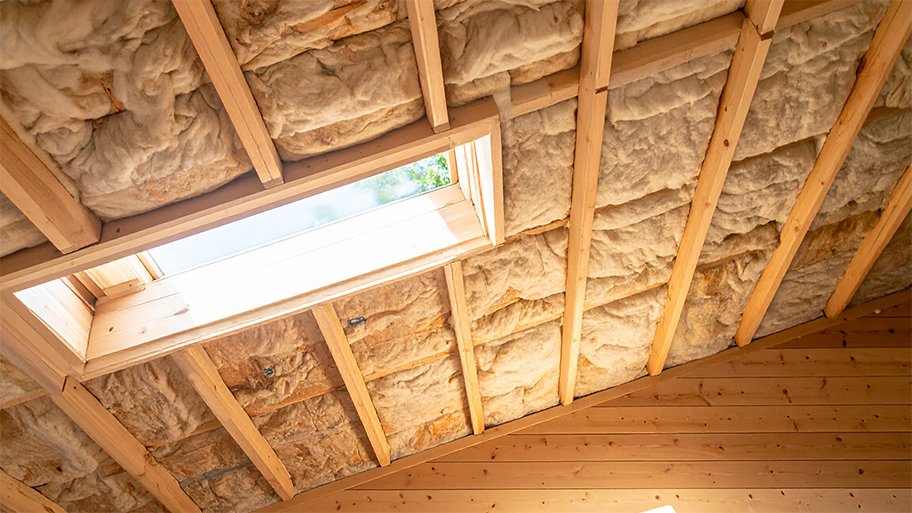
- Fiberglass batts or rolls: Widely used due to affordability and ease of installation. They offer good thermal resistance but must be installed without gaps.
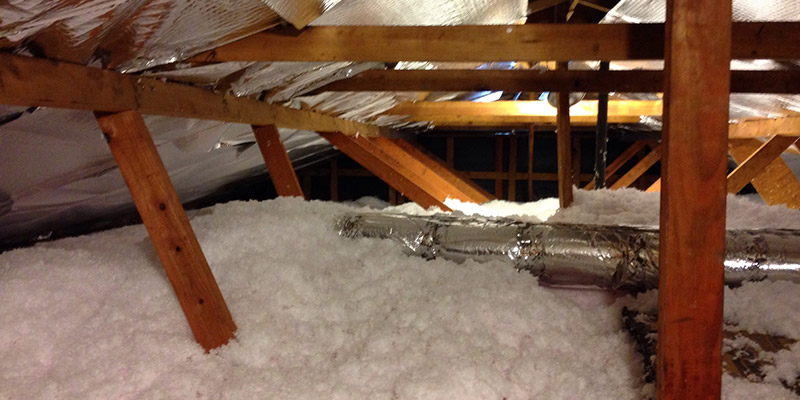
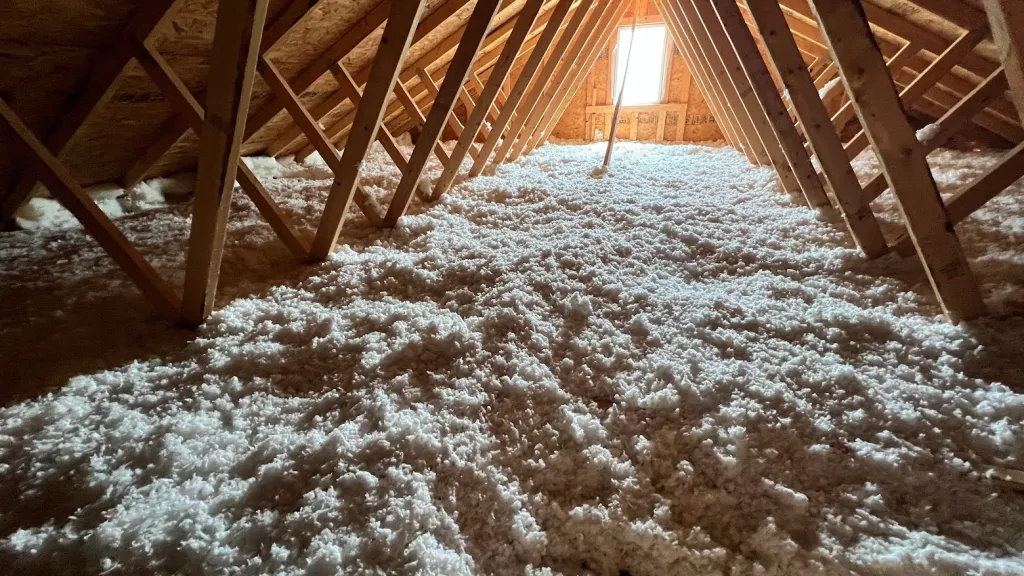
- Blown-in cellulose or fiberglass: These loose-fill materials fill gaps and irregular spaces more effectively, providing better coverage and improved performance.
- Spray foam: Offers the highest R-value per inch and creates an air seal, making it extremely effective at blocking heat transfer.
- Rigid foam boards: Used for targeted applications, such as sealing attic hatches or knee walls, to prevent air leaks.
The attic insulation effect on cooling bills is maximized when the insulation has a high R-value, which measures resistance to heat flow. The higher the R-value, the better the insulation’s performance.
Signs Your Attic Insulation Needs an Upgrade
Even if your attic has some insulation, it may not be enough to deliver optimal energy savings. Here are some signs that your current setup could be costing you more:
- Uneven temperatures between rooms or floors
- High summer cooling bills despite moderate thermostat settings
- Visible gaps, thin spots, or compressed insulation in the attic
- Drafts or hot spots in upper levels of the home
- Older homes with original or outdated insulation materials
Maximizing the Benefits: Best Practices for Attic Insulation
To get the most from your attic insulation and see a real reduction in cooling costs, consider these best practices:
- Seal air leaks first: Before adding insulation, seal gaps around pipes, vents, and attic hatches to prevent air movement.
- Choose the right R-value: The recommended R-value varies by climate zone. In hot climates, R-38 to R-60 is often suggested for attics.
- Ensure even coverage: Insulation should be distributed evenly, with no gaps, voids, or compressed areas.
- Consider professional installation: While DIY is possible for some materials, professionals can ensure proper depth, coverage, and air sealing.
- Maintain attic ventilation: Proper airflow prevents moisture buildup and helps insulation perform as intended.
Additional Ways to Lower Cooling Costs
While improving attic insulation is one of the most effective steps, combining it with other energy-saving strategies can amplify your results:
- Upgrade to energy-efficient windows and doors to reduce heat gain.
- Install radiant barriers in the attic to reflect heat away from living spaces.
- Use programmable thermostats to optimize cooling schedules.
- Maintain your HVAC system for peak efficiency.
- Explore solar roofing options for long-term energy savings. For more on this, check out the latest solar roofing technology and how it integrates with home efficiency upgrades.
FAQ: Attic Insulation and Cooling Bill Savings
How much can proper attic insulation reduce my cooling bills?
The exact savings depend on your home’s size, climate, and current insulation levels. In many cases, upgrading attic insulation can lower cooling costs by 10% to 30%. Homes with little or no insulation often see the most dramatic improvements.
What is the best type of attic insulation for hot climates?
In warmer regions, materials with high R-values and good air-sealing properties work best. Spray foam and blown-in cellulose or fiberglass are popular choices, as they fill gaps and block heat transfer effectively.
Can I add new insulation over old attic insulation?
Yes, you can usually add new insulation on top of existing material, as long as the old insulation is dry and free of mold or pests. Make sure to avoid compressing the old layer, as this reduces its effectiveness.
How do I know if my attic insulation is sufficient?
Check the depth and condition of your current insulation. If you can see the attic floor joists, you likely need more. Local building codes and energy guidelines can provide recommended R-values for your area.
Does attic insulation help with winter heating bills too?
Absolutely. While this article focuses on summer cooling, attic insulation also keeps warm air inside during winter, reducing heating costs and improving year-round comfort.