Enhancing your home’s protection against fire starts with making informed choices about the materials and methods used in your attic and roof. Roof insulation for fire safety is a critical aspect of home construction and renovation that is often overlooked. The right insulation not only helps regulate indoor temperature and energy efficiency but also acts as a barrier against the spread of flames, smoke, and heat during a fire event.
Many homeowners focus on visible roofing materials, but what’s beneath the surface can make a significant difference in fire resilience. By understanding which insulation products and installation techniques offer the best defense, you can reduce risks and improve peace of mind. Before diving into specific strategies, it’s also important to be aware of common pitfalls during roofing projects. For example, reviewing resources like the roofing mistakes to avoid can help ensure your efforts are both safe and effective.

Understanding Fire-Resistant Roof Insulation Materials
Choosing the right insulation is the foundation of a fire-safe attic. Not all products offer the same level of resistance to flames or heat. Here are some of the most effective options for roof insulation for fire safety:
- Mineral Wool (Rock Wool or Slag Wool): This material is naturally non-combustible and can withstand temperatures above 1,000°C (1,800°F). It does not contribute to fire spread and is often recommended for homes in wildfire-prone areas.
- Fiberglass Insulation: While also non-combustible, fiberglass can melt at high temperatures but will not ignite. It’s widely available and affordable, making it a popular choice for attic spaces.
- Cellulose Insulation (Treated): Standard cellulose is flammable, but when treated with fire retardants, it can achieve a Class 1 fire rating. Always verify that the product is certified for fire resistance before installation.
- Spray Foam (Fire-Retardant Formulations): Some closed-cell spray foams are formulated with fire-retardant chemicals. However, not all spray foams are fire-safe, so check manufacturer specifications carefully.
When selecting insulation, look for products with a high fire rating (Class A or Class 1) and check for compliance with local building codes. Proper labeling and third-party certifications are indicators of reliable performance in fire scenarios.
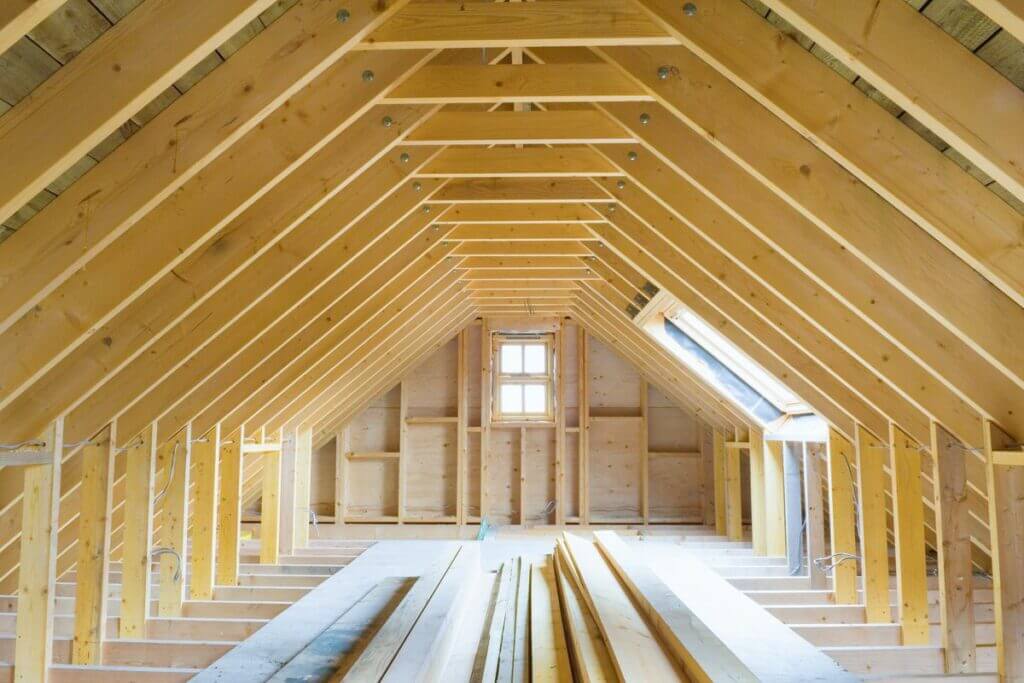
Installation Best Practices for Maximum Fire Protection
Even the best materials can underperform if not installed correctly. Following these guidelines will help ensure your attic insulation contributes to overall fire safety:
- Seal Gaps and Penetrations: Use fire-resistant caulks or sealants around pipes, vents, and electrical penetrations to prevent fire and smoke from traveling between attic and living spaces.
- Maintain Proper Clearances: Keep insulation away from heat-producing elements such as recessed lighting, chimneys, and flues. Install fire-rated barriers or baffles where required.
- Avoid Overstuffing: Compressing insulation reduces its effectiveness and can create hidden air gaps where fire can spread. Install to manufacturer’s recommended thickness and density.
- Install Fire Blocks: In open attic spaces, use fire-resistant blocking materials to compartmentalize the area and slow the movement of flames.
- Check Local Codes: Building codes may require specific fire safety measures for attic insulation. Always consult your local authority or a certified contractor before starting work.
Proper installation is just as important as material choice. If you’re planning a full roof replacement, consider reviewing the replacing old asphalt roof guide to understand how insulation fits into the broader roofing system.
Reducing Fire Spread with Air Sealing and Ventilation
Effective roof insulation for fire safety goes beyond just the insulation itself. Air sealing and attic ventilation play a crucial role in minimizing fire risk:
- Air Sealing: By sealing cracks, gaps, and joints in the attic floor and roof deck, you limit the oxygen supply that can fuel a fire. Air sealing also prevents embers from entering the attic during wildfires.
- Fire-Resistant Vents: Standard attic vents can allow embers to enter during a wildfire. Install vents with fine mesh screens (1/8-inch or smaller) or use vents specifically rated for fire resistance.
- Balanced Ventilation: Proper attic ventilation helps regulate temperature and moisture, reducing the risk of heat buildup that could ignite insulation or roof materials.
Combining air sealing and fire-resistant ventilation with high-quality insulation creates a comprehensive defense against fire hazards in the attic.
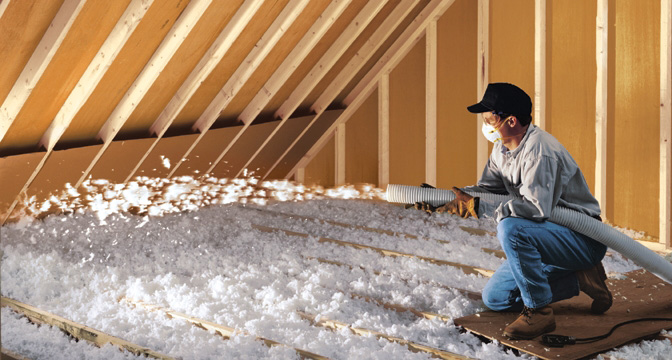
Maintenance and Inspection: Keeping Your Roof Fire-Safe
Routine maintenance is essential for preserving the fire safety benefits of your attic insulation. Here’s what to include in your regular inspection checklist:
- Check for Gaps or Damage: Look for areas where insulation has shifted, settled, or been disturbed by pests. Address any exposed gaps promptly.
- Inspect for Moisture: Wet insulation loses its fire resistance and can promote mold growth. Repair roof leaks and replace any damp or water-damaged material.
- Monitor for Debris: Remove leaves, twigs, and other flammable debris from the attic and roof surface. These materials can act as kindling in the event of a fire.
- Review Fire Barriers: Ensure that fire blocks and barriers remain intact and have not been compromised by renovations or repairs.
Regular inspections not only maintain fire safety but also extend the lifespan of your insulation and roofing system. If you notice signs of shingle damage or roof deterioration, resources like the asphalt roof failure signs article can help you determine when to call a professional.
Integrating Fire Safety with Energy Efficiency
It’s possible to achieve both energy savings and enhanced fire protection with the right approach. Many fire-resistant insulation materials also offer excellent thermal performance, helping to keep your home comfortable year-round. When planning upgrades, consider products and methods that deliver both benefits:
- Choose Dual-Rated Products: Look for insulation that is both energy-efficient (high R-value) and fire-rated.
- Seal and Insulate Together: Combine air sealing with insulation to maximize both fire safety and energy savings.
- Upgrade During Roof Replacement: If you’re planning a major project, consult the asphalt roof replacement guide for tips on integrating insulation upgrades with new roofing materials.
By taking a holistic approach, you can create a safer, more efficient home without compromising on either goal.
FAQ: Roof Insulation and Fire Safety
What type of insulation is best for fire resistance in attics?
Mineral wool and fiberglass are top choices for fire resistance. Both are non-combustible and can withstand high temperatures. Treated cellulose can also be effective if it meets fire safety standards. Always check for fire ratings and certifications before choosing a product.
Can adding insulation increase fire risk?
If installed improperly or if flammable materials are used, insulation can contribute to fire spread. To minimize risk, use fire-rated products, maintain clearances around heat sources, and follow local building codes.
How often should attic insulation be inspected for fire safety?
Inspect attic insulation at least once a year and after any major weather events or renovations. Look for damage, moisture, or gaps that could compromise fire resistance. Promptly address any issues to maintain optimal protection.