Improving your home’s energy performance starts at the top. The right approach to roof insulation energy efficiency tips can make a significant difference in both comfort and utility costs. Whether you’re building new or upgrading an existing structure, understanding the best strategies for insulating your roof will help you maintain a stable indoor temperature year-round and reduce your environmental impact.
Before diving into practical advice, it’s important to recognize that insulation isn’t just about adding material—it’s about choosing the right type, installing it correctly, and ensuring the entire roofing system works together. If you’re also considering a broader upgrade, learning about the roof upgrade cost can help you plan your investment wisely.
Understanding the Importance of Roof Insulation
Proper insulation in the attic or roof space is one of the most effective ways to minimize heat loss in winter and keep your home cool in summer. Heat naturally rises, so without a well-insulated barrier, much of your heating and cooling energy escapes through the roof. This not only leads to higher energy bills but can also strain your HVAC system and reduce overall comfort.
Applying the right roof insulation energy efficiency tips ensures that your home maintains a consistent temperature, reduces drafts, and helps prevent moisture buildup that can lead to mold or structural issues.
Choosing the Best Insulation Materials
There are several types of insulation materials available, each with its own strengths and ideal applications. Here’s a quick overview of the most common options:
- Fiberglass Batts: Affordable and easy to install, these are a popular choice for attics with standard joist spacing.
- Spray Foam: Provides excellent air sealing and high R-values, making it suitable for irregular spaces and maximizing energy efficiency.
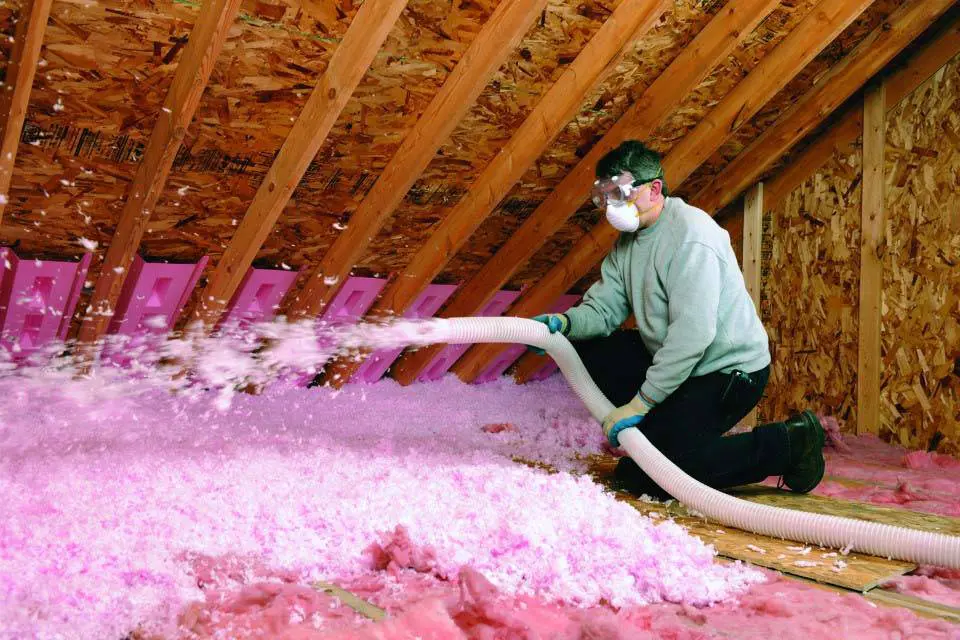
- Blown-In Cellulose: Great for filling gaps and covering existing insulation, cellulose is eco-friendly and effective at reducing air leaks.
- Rigid Foam Boards: Ideal for cathedral ceilings or exterior applications, these boards offer high insulation value in a compact form.
Key Strategies for Improving Roof Insulation Efficiency
To get the most from your insulation, it’s important to focus on both material choice and installation technique. Here are some essential roof insulation energy efficiency tips to consider:
Seal Air Leaks Before Insulating
Even the best insulation can’t perform well if air leaks are present. Before adding or upgrading insulation, inspect your attic or roof space for gaps around vents, chimneys, plumbing stacks, and electrical penetrations. Use caulk or expanding foam to seal these areas and prevent conditioned air from escaping.
Achieve the Recommended R-Value
Insulation effectiveness is measured by its R-value—the higher the R-value, the better the thermal resistance. The recommended R-value varies by climate zone, but generally, attics should have between R-38 and R-60. Check local building codes to ensure you’re meeting or exceeding the minimum requirements for your area.
Ensure Proper Ventilation
While it may seem counterintuitive, a well-ventilated attic is crucial for insulation performance. Ventilation helps regulate temperature and moisture, preventing condensation that can degrade insulation and cause mold. Install soffit and ridge vents to promote airflow and maintain a dry, efficient space.
Install Insulation Evenly and Without Compression
Compressed or uneven insulation loses effectiveness. Take care to lay batts flat and avoid stuffing insulation into tight spaces. For blown-in materials, use depth markers to ensure consistent coverage throughout the attic or roof cavity.
Address Thermal Bridging
Thermal bridging occurs when heat bypasses insulation through framing or other conductive materials. To minimize this, consider adding a continuous layer of rigid foam board above or below rafters, especially in cathedral ceilings or during major roof renovations.

When to Upgrade or Replace Existing Insulation
Older homes may have outdated or insufficient insulation that no longer meets modern standards. Signs that it’s time to upgrade include:
- Uneven temperatures between rooms or floors
- Ice dams forming on the roof in winter
- Visible gaps, settling, or moisture in the attic
- High heating and cooling bills despite regular HVAC maintenance
If you’re planning a major roofing project, such as a full tear-off, it’s the perfect opportunity to address insulation. For more details on the process, see the replacing old asphalt roof guide, which covers important considerations for a successful upgrade.
Common Mistakes to Avoid for Optimal Results
Even with the best intentions, some homeowners make errors that compromise insulation performance. Avoid these pitfalls:
- Blocking soffit vents with insulation, which restricts airflow
- Neglecting to insulate attic access doors or hatches
- Using the wrong insulation type for your roof structure
- Failing to address moisture issues before insulating
For a comprehensive look at what not to do, check out these roofing mistakes to avoid during your next project.
Integrating Insulation With Other Roofing Upgrades
Maximizing your home’s energy efficiency often involves more than just adding insulation. Consider pairing your insulation improvements with other upgrades, such as installing high-performance shingles or addressing ventilation issues. Not only does this holistic approach enhance comfort, but it also extends the lifespan of your roofing system and can boost your property’s value.
If you’re considering a full replacement, the asphalt roof replacement guide offers step-by-step advice for planning a new installation that incorporates the latest energy-saving technologies.
Maintenance and Monitoring for Lasting Efficiency
Once your insulation is in place, regular maintenance is key to preserving its effectiveness. Inspect your attic or roof space at least once a year for signs of moisture, pest activity, or settling insulation. Address any issues promptly to prevent small problems from becoming costly repairs. If you notice warning signs such as leaks or sagging, consult the asphalt roof failure signs resource for guidance on when to call a professional.
FAQ: Roof Insulation and Energy Efficiency
What is the most effective type of insulation for attics?
The best insulation depends on your attic’s structure and climate. Fiberglass batts are widely used for standard attics, while spray foam offers superior air sealing for irregular spaces. Blown-in cellulose is effective for filling gaps and adding to existing insulation. Always aim for the recommended R-value for your region.
How can I tell if my roof insulation needs upgrading?
Signs include fluctuating indoor temperatures, high energy bills, visible gaps or settling in the attic, and the presence of drafts. If your insulation is over 15–20 years old or doesn’t meet current R-value recommendations, it’s likely time for an upgrade.
Can I install new insulation over old insulation?
In most cases, yes. As long as the existing insulation is dry and free of mold or pests, you can add new material on top. Avoid compressing the old insulation, and address any air leaks or moisture issues before adding more layers.