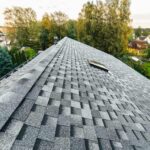
The curling shingles problem is a common concern for homeowners with asphalt or composite roofs. When the edges of roof shingles start to lift, curl, or warp, it can signal underlying issues that threaten your roof’s performance and lifespan. Curled shingles not only look unsightly but also expose your home to leaks, wind damage, and further deterioration. Understanding why this happens and how to address it is essential for maintaining a secure, weatherproof roof.
This guide explains the main causes behind curling shingles, outlines practical repair options, and offers tips to prevent future issues. Whether you’re dealing with minor curling or widespread damage, knowing your options can help you make informed decisions about roof maintenance and replacement. For those considering a larger project, you may also want to review the roof upgrade cost to weigh your investment in high-performance materials.
What Causes Shingles to Curl?
Several factors can contribute to the curling of roof shingles. Identifying the root cause is the first step toward a lasting solution. Here are the most common reasons:
- Age and Weathering: Over time, shingles lose flexibility and their protective granules, making them more susceptible to curling and cracking.
- Poor Ventilation: Inadequate attic ventilation can trap heat and moisture, causing shingles to warp from below.
- Improper Installation: If shingles are not installed according to manufacturer guidelines, they may not adhere properly, leading to curling edges.
- Low-Quality Materials: Cheaper shingles often have a shorter lifespan and are more likely to deform under stress.
- Multiple Roof Layers: Adding new shingles over old ones can prevent proper sealing, increasing the risk of curling.
- Water Damage: Leaks or trapped moisture can weaken the shingle structure, causing them to lift and curl.
For a deeper understanding of the materials involved, you can read this comprehensive guide to asphalt shingle roofs.
Signs Your Roof Has Curling Shingles
Detecting the early warning signs of shingle curling is crucial for timely repairs. Here’s what to look for during a visual inspection:
- Edges Lifting Up: Shingle corners or sides are raised, no longer lying flat against the roof.
- Visible Gaps: Spaces appear between shingles, especially at the edges or ridges.
- Granule Loss: Bald spots or excessive granules in gutters indicate aging and vulnerability.
- Cracks or Splits: Curled shingles are often brittle and may crack easily under pressure.
- Leaks or Stains: Water spots on ceilings or attic woodwork can signal that curled shingles are letting moisture in.
If you notice these symptoms, it’s important to act quickly to prevent further roof damage. You can also review the asphalt roof failure signs for more details on when to call a professional.
How to Fix Curled Shingle Edges
Addressing the curling shingles problem depends on the extent of the damage. Here are some practical repair options:
1. Re-Adhering Minor Curling
If only a few shingles have slightly curled edges, you can often re-secure them with roofing adhesive or sealant. Here’s how:
- Clean the area under the curled shingle, removing debris and dust.
- Apply a generous amount of roofing sealant beneath the curled edge.
- Press the shingle down firmly and hold it in place for a minute.
- Weigh it down with a brick or heavy object for several hours to ensure a strong bond.
This method is best for isolated spots and can extend the life of your roof until more extensive repairs are needed.
2. Replacing Damaged Shingles
When curling is widespread or shingles are cracked and brittle, replacement is the most effective solution. To replace a shingle:
- Carefully lift the shingles above the damaged one using a flat pry bar.
- Remove the nails and slide out the old shingle.
- Insert a new shingle of matching size and material.
- Secure it with roofing nails and seal the nail heads with roofing cement.
Replacing individual shingles can prevent leaks and restore the appearance of your roof. If you’re considering a full replacement, consult the asphalt roof replacement guide for a step-by-step overview.
3. Full Roof Replacement
If the majority of your roof is affected by curling, or if the shingles are at the end of their lifespan, a complete replacement may be necessary. This is especially true if there are signs of underlying structural damage or repeated leaks. Investing in high-quality shingles and professional installation can help prevent future issues.
Preventing Future Shingle Curling
While some causes of shingle curling are unavoidable due to age, many can be prevented with proper maintenance and installation. Here are some tips to reduce the risk:
- Ensure Proper Attic Ventilation: Good airflow helps regulate temperature and moisture, protecting shingles from warping.
- Use Quality Materials: Invest in reputable brands and products with proven durability.
- Follow Manufacturer Guidelines: Make sure shingles are installed according to specifications, including correct nailing and alignment.
- Inspect Regularly: Check your roof at least twice a year and after major storms for early signs of damage.
- Address Leaks Promptly: Fix any water intrusion issues immediately to prevent structural and shingle damage.
- Limit Roof Layers: Avoid installing new shingles over old ones, as this can trap moisture and prevent proper sealing.
For more advice on avoiding installation errors, see the guide on roofing mistakes to avoid.
When to Call a Professional Roofer
Some minor curling can be handled by a handy homeowner, but extensive damage or recurring issues should be evaluated by a licensed roofing contractor. Professional roofers can assess the full extent of the problem, recommend the best repair or replacement options, and ensure that your roof is safe and weatherproof. If you’re unsure about the severity of your roof’s condition, it’s always better to seek expert advice rather than risk further damage.
Frequently Asked Questions
What happens if I ignore curled shingles?
Neglecting curled shingles can lead to water leaks, structural damage, and higher energy bills. Over time, moisture can seep beneath the shingles, causing rot, mold, and even interior ceiling stains. Prompt repairs help avoid costly damage.
Can I fix curled shingles myself?
Minor curling can often be fixed with roofing adhesive and some basic tools. However, if the problem is widespread or if shingles are cracked and brittle, it’s safer and more effective to hire a professional roofer for repairs or replacement.
How long do asphalt shingles typically last?
Standard asphalt shingles usually last 15–30 years, depending on material quality, installation, and climate. Regular inspections and maintenance can help maximize their lifespan and prevent premature curling or failure.
Is it better to repair or replace curled shingles?
If only a few shingles are affected, repairs can be a cost-effective solution. However, if curling is widespread or the roof is nearing the end of its lifespan, replacement is often the better long-term investment.
Addressing the curling shingles problem early helps protect your home and extend the life of your roof. Regular maintenance, quality materials, and professional installation are key to preventing future issues and ensuring your roof remains in top condition.