Understanding the roof insulation cost vs benefit is essential for homeowners looking to make informed decisions about energy efficiency and home comfort. Investing in proper insulation can lead to significant savings on utility bills, but the initial expense can vary widely depending on materials, installation methods, and the size of your home. We’ll break down the real costs, explore the potential returns, and help you weigh the long-term value of insulating your roof.
As more people consider sustainable upgrades, the connection between insulation and modern roofing technologies is growing. If you’re interested in how insulation fits into broader trends, check out the solar roofing market trends for insights on integrating energy-saving solutions.
Breaking Down Roof Insulation Expenses
The price of insulating your roof depends on several factors, including the type of insulation, labor costs, and the complexity of your roof structure. Here’s what typically influences the overall investment:
- Material Choice: Fiberglass batts, spray foam, rigid foam boards, and blown-in cellulose all come with different price tags and performance characteristics.
- Roof Accessibility: Steep or hard-to-reach roofs may require more labor, increasing installation costs.
- Square Footage: Larger homes or attics will need more material and time, raising the total bill.
- Regional Labor Rates: Costs can vary significantly based on your location and the expertise of local contractors.
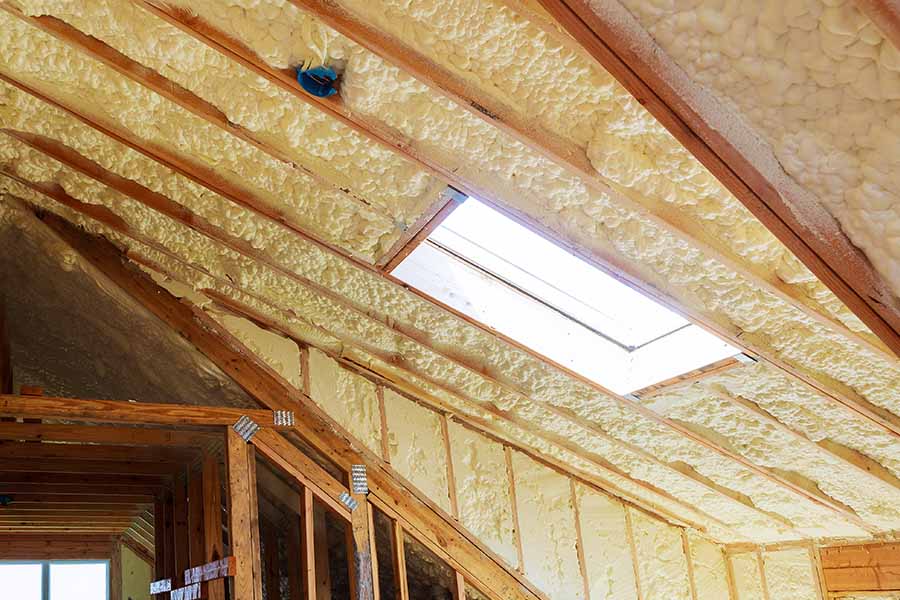
On average, homeowners can expect to pay between $1,500 and $4,000 for a typical roof insulation project. High-end spray foam solutions may push costs higher, while simple fiberglass installations are usually more affordable.
Evaluating the Benefits of Roof Insulation
The advantages of insulating your roof go beyond just lowering energy bills. Here are some of the most impactful benefits:
- Energy Savings: Proper insulation can reduce heating and cooling costs by up to 20%, depending on climate and existing home efficiency.
- Improved Comfort: Insulation helps keep indoor temperatures stable, reducing drafts and hot or cold spots.
- Moisture Control: Quality insulation can help prevent condensation and related issues like mold or rot.
- Environmental Impact: Lower energy use means a smaller carbon footprint, contributing to a more sustainable home.
- Increased Home Value: Energy-efficient upgrades are attractive to buyers and can boost resale value.
When weighing the cost versus benefit of roof insulation, it’s important to consider both immediate and long-term returns. While the upfront expense can seem significant, the cumulative savings and comfort improvements often justify the investment within a few years.
Comparing Insulation Types and Their Value
Not all insulation materials offer the same performance or payback period. Here’s a quick comparison of common options:
| Type | Average Cost (per sq. ft.) | R-Value (per inch) | Typical Payback |
|---|---|---|---|
| Fiberglass Batts | $0.40 – $1.00 | 2.9 – 3.8 | 2–4 years |
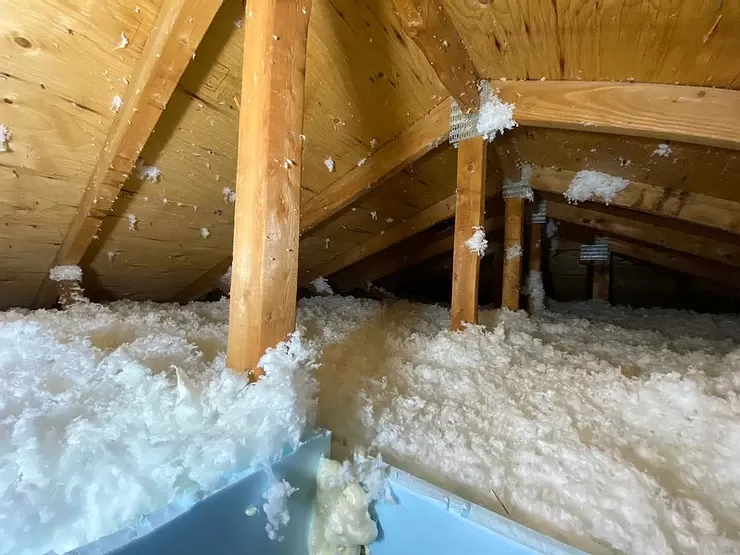
| Blown-In Cellulose | $0.60 – $2.00 | 3.2 – 3.8 | 2–4 years |
| Spray Foam | $1.50 – $3.50 | 6.0 – 7.0 | 3–6 years |
| Rigid Foam Board | $1.80 – $4.00 | 4.0 – 6.5 | 4–7 years |
The return on investment for each material depends on your climate, energy rates, and how well the rest of your home is insulated. Spray foam, for example, offers excellent air sealing but comes at a higher initial price. Fiberglass remains a popular choice for its balance of cost and performance.
Factors That Influence Payback Period
The time it takes to recoup your investment in roof insulation depends on several variables:
- Climate Zone: Homes in extreme climates (very hot or cold) see faster payback due to higher energy savings.
- Existing Insulation: Upgrading from little or no insulation yields the greatest benefit.
- Energy Prices: Higher local utility rates accelerate the return on your investment.
- Home Efficiency: Sealing air leaks and upgrading windows can further enhance insulation’s effectiveness.
Many homeowners notice lower utility bills within the first season after installation. Over the lifespan of the insulation—often 20 years or more—the cumulative savings can far exceed the original expense.
Maximizing the Value of Your Insulation Investment
To get the most out of your insulation project, consider these practical tips:
- Choose the Right Material: Match insulation type to your climate and roof structure for optimal performance.
- Hire Qualified Installers: Professional installation ensures proper coverage and air sealing.
- Address Air Leaks: Seal gaps around vents, chimneys, and attic hatches before adding insulation.
- Maintain Adequate Ventilation: Good airflow prevents moisture buildup and preserves insulation effectiveness.
- Combine with Other Upgrades: Pairing insulation with energy-efficient roofing or solar panels can further boost savings. For more on this, explore the latest innovations in solar roofing.
Common Misconceptions About Insulation Payoff
Some homeowners worry that the upfront cost of insulation won’t pay off, or that it’s only necessary in cold climates. In reality, insulation is valuable in nearly every region, as it helps keep homes comfortable year-round and reduces both heating and cooling expenses. Additionally, modern materials and installation techniques have improved the efficiency and durability of insulation, making it a smart investment for most properties.
Frequently Asked Questions
How long does it take to recover the cost of roof insulation?
Most homeowners recoup their investment in roof insulation within 2 to 6 years, depending on energy prices, climate, and the type of insulation used. The savings continue for the life of the insulation, often 20 years or more.
Is professional installation worth the added expense?
Yes, hiring experienced installers ensures that insulation is applied evenly and air leaks are properly sealed. This maximizes energy savings and extends the lifespan of the material, making the extra cost worthwhile.
Can roof insulation help with noise reduction?
Absolutely. In addition to thermal benefits, many insulation materials also dampen outside noise, making your home quieter and more comfortable.