Upgrading or installing roof insulation is one of the most effective ways to improve a building’s energy efficiency, reduce heating and cooling costs, and enhance occupant comfort. However, it’s not just about choosing the right materials or achieving a certain thickness—compliance with roof insulation building regulations is essential. These rules are designed to ensure that properties meet minimum standards for thermal performance, fire safety, and ventilation, safeguarding both the structure and its inhabitants.
Whether you’re a homeowner planning a renovation, a builder tackling a new project, or simply interested in sustainable construction, understanding the essentials of regulatory requirements for roof insulation is crucial. This article covers the key aspects of compliance, the main standards you need to know, and practical guidance for meeting legal obligations.
For those interested in how insulation and roofing intersect with renewable energy, you may also want to explore solar roofing market trends to see how modern roofing solutions are evolving.
Understanding Roof Insulation Standards
The core purpose of roof insulation building regulations is to set minimum performance benchmarks for energy efficiency and safety. These standards vary by country and region, but most are based on similar principles: limiting heat loss, preventing condensation, and ensuring fire resistance.
In many jurisdictions, regulations specify a minimum U-value for roofs. The U-value measures how well a building element (like a roof) resists heat flow—the lower the U-value, the better the insulation. For example, in the UK, current standards require a maximum U-value of 0.16 W/m²K for new or replacement roofs. Other countries may have slightly different numbers, but the intent is the same: reduce energy waste and improve comfort.
Types of Roof Insulation and Their Compliance Factors
There are several ways to insulate a roof, each with its own regulatory considerations. The two main categories are:
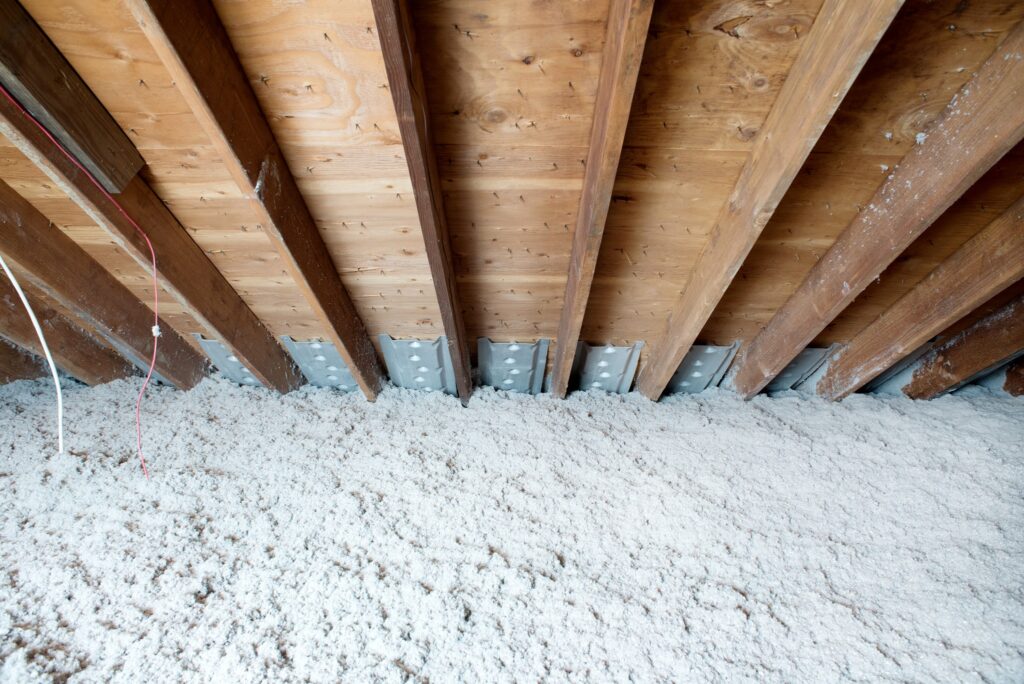
- Cold roof insulation: Insulation is placed between and above the ceiling joists, keeping the loft space cold. This is common in older homes and is relatively straightforward to upgrade.
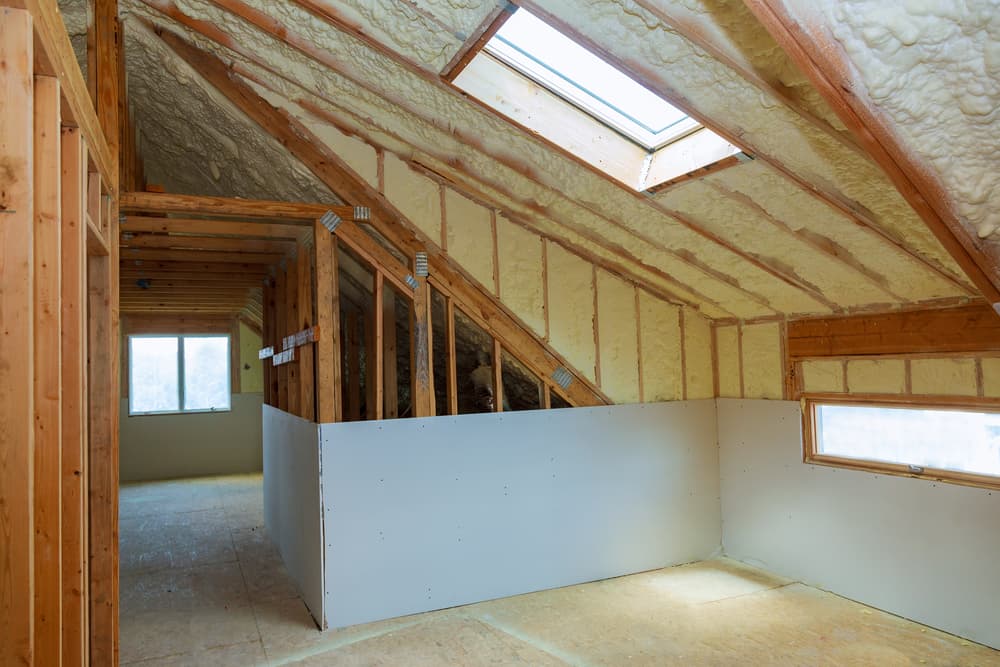
- Warm roof insulation: Insulation is installed above and between the rafters, keeping the entire roof space warm. This approach is often used in new builds or when converting lofts into living spaces.
Whichever method is chosen, it’s vital to use materials that comply with fire safety and moisture control requirements. Some regulations also dictate the use of vapor barriers, ventilation gaps, and minimum thicknesses for specific insulation types.
Key Elements of Building Regulations for Roof Insulation
Meeting roof insulation building regulations involves more than just installing enough material. Here are the main compliance factors to consider:
- Thermal Performance: The insulation must achieve or exceed the minimum U-value specified by local codes. This typically means using high-quality materials and ensuring there are no gaps or thermal bridges.
- Ventilation: Adequate airflow is essential to prevent condensation and mold growth. Regulations often require specific ventilation openings or systems, especially in cold roof setups.
- Fire Safety: Insulation materials must meet fire resistance standards. Some products are treated to improve their fire rating, and installation must not compromise the fire integrity of the roof structure.
- Moisture Control: Vapor barriers or breathable membranes may be required to stop moisture from entering the insulation layer and causing damage.
- Access and Maintenance: In some cases, regulations require that access to roof spaces is maintained for inspection or maintenance purposes.
Common Mistakes and How to Avoid Them
Even with the best intentions, it’s easy to fall short of compliance if you overlook certain details. Here are some frequent issues:
- Insufficient thickness: Not installing enough insulation to meet the required U-value is a common error. Always check the latest standards before starting work.
- Poor installation: Gaps, compression, or poorly fitted insulation can create cold spots and reduce effectiveness. Professional installation or careful DIY work is critical.
- Ignoring ventilation: Blocking or omitting ventilation can lead to condensation and long-term damage. Always ensure airflow requirements are met.
- Using non-compliant materials: Some insulation products may not meet fire or moisture standards. Always verify certifications and approvals.
Steps to Ensure Compliance With Roof Insulation Rules
To make sure your project meets all necessary regulations, follow these steps:
- Consult local codes: Building regulations can change, so always refer to your local authority’s latest guidance before starting any work.
- Choose certified products: Select insulation materials that have been tested and approved for use in your region.
- Plan for ventilation and moisture: Incorporate ventilation and vapor barriers as required by code.
- Document your work: Keep records of materials used, installation methods, and any inspections or approvals received.
- Arrange for inspection: In many areas, a building inspector must approve the work before it is signed off.
Staying up to date with innovations in roofing can also help you future-proof your property. For example, integrating insulation upgrades with innovations in solar roofing can boost both energy efficiency and property value.
How Roof Insulation Regulations Impact Renovations and Extensions
If you’re planning a renovation or extension, you’ll need to ensure that any changes to the roof structure or insulation meet current standards. This may mean upgrading existing insulation, adding new layers, or improving ventilation. Failing to comply can result in delays, extra costs, or even legal issues when selling the property.
For those considering solar panels or other rooftop technologies, it’s important to coordinate insulation upgrades with these installations. You can learn more about site assessment and integration by reading the solar roofing site assessment guide.
Benefits of Meeting Roof Insulation Building Regulations
Complying with the relevant standards offers several advantages:
- Lower energy bills due to improved thermal efficiency
- Enhanced comfort for occupants year-round
- Reduced carbon footprint and environmental impact
- Increased property value and marketability
- Peace of mind knowing your building is safe and future-proof
FAQ: Roof Insulation and Regulatory Requirements
What is the minimum insulation required for a roof?
The minimum insulation level is usually defined by a U-value set in local building codes. For example, in the UK, a U-value of 0.16 W/m²K or lower is required for new or replacement roofs. Always check your local regulations for the exact requirement.
Do I need building approval to upgrade my roof insulation?
In most cases, significant upgrades or changes to roof insulation require notification to your local building authority and may need inspection. Minor top-ups may not, but it’s best to confirm with your local council or building control office.
How do I ensure my insulation material is compliant?
Look for products with certifications or approvals from recognized bodies. The manufacturer’s datasheet should indicate compliance with relevant fire, thermal, and moisture standards for your region.
Can I combine insulation upgrades with solar roofing?
Yes, integrating insulation improvements with solar panel installations is a smart way to maximize energy efficiency. Be sure to coordinate both projects to ensure compliance with all relevant regulations and to optimize performance.
For more on the future of roofing and insulation, you might be interested in reading about solar roofing future trends and how these innovations are shaping the industry.
Staying informed about roof insulation building regulations is the key to a successful, compliant, and energy-efficient project. Always consult local codes, use approved materials, and consider how your insulation choices fit into the broader context of modern, sustainable building practices.