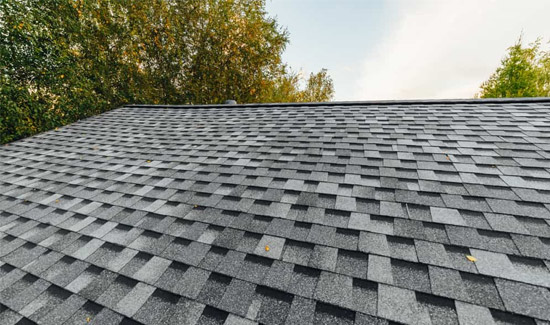
Timely asphalt shingle roof repair is crucial for maintaining the integrity of your home and preventing costly water damage. Asphalt shingles are popular for their durability and affordability, but even the best roofs can develop issues over time. From missing shingles and minor leaks to curling edges and granule loss, understanding how to address these problems quickly can save you money and extend the life of your roof.
This article covers the most common types of shingle damage, step-by-step repair instructions, and tips for deciding when to call a professional. If you’re budgeting for a larger project, you may also want to review the asphalt shingle roof cost guide for up-to-date pricing and estimator tools.
Identifying Common Asphalt Shingle Problems
Before starting any repairs, it’s important to know what to look for. Asphalt shingles can suffer from a range of issues, including:
- Cracked or broken shingles – Often caused by hail, wind, or thermal expansion.
- Missing shingles – Wind storms can lift and remove shingles, exposing the underlayment.
- Curling or cupping – Edges may curl up or down due to age or poor attic ventilation.
- Granule loss – Bald spots on shingles reduce their protective qualities.
- Minor leaks – Water stains in the attic or ceiling are signs of a compromised roof surface.
For more details on how to spot and address leaks, see our comprehensive asphalt roof leak repair resource.
Essential Tools and Materials for Quick Repairs
Having the right tools and supplies on hand makes the repair process faster and more effective. Here’s what you’ll need for most asphalt shingle fixes:
- Replacement asphalt shingles
- Roofing nails (galvanized)
- Hammer or roofing nail gun
- Flat pry bar
- Roofing sealant or asphalt cement
- Utility knife
- Ladder and safety gear (gloves, shoes with good traction, harness if needed)
Always prioritize safety. Avoid working on wet or icy roofs, and never attempt repairs during storms or high winds.

Step-By-Step Guide to Asphalt Shingle Roof Repair
Most minor shingle issues can be fixed in a few simple steps. Here’s how to handle the most common repairs:
Replacing a Missing or Damaged Shingle
- Use a flat pry bar to gently lift the shingles above the damaged area. Remove any remaining nails from the broken shingle.
- Slide the new shingle into place, aligning it with the existing pattern.
- Secure the new shingle with galvanized roofing nails, placing them just below the tar line and covering the nail heads with roofing cement.
- Press the overlying shingles back into place and add a dab of sealant under the tabs for extra hold.
Fixing Curling or Lifting Shingles
- Apply a small amount of roofing sealant under the curled section.
- Press the shingle flat and hold it in place for a few seconds.
- If necessary, weigh it down with a brick or heavy object until the adhesive sets.
Sealing Minor Cracks and Leaks
- Clean the affected area to remove dirt and debris.
- Apply a bead of asphalt roofing cement over the crack or hole.
- Smooth the cement with a putty knife and allow it to cure according to the product instructions.
For more extensive leaks or if you notice water stains inside your home, it’s wise to consult a professional or refer to our leak repair guide for advanced troubleshooting.
When to Call a Roofing Professional
While many small repairs can be handled by a capable homeowner, some situations require expert attention. Consider hiring a licensed roofer if you notice:
- Widespread shingle loss or damage after a major storm
- Persistent leaks that don’t respond to surface repairs
- Soft spots or sagging in the roof deck
- Mold, rot, or water stains inside the attic or on ceilings
For larger projects or full replacements, get an asphalt roof estimate from a reputable contractor. This helps you understand the scope of work and compare pricing options.
Preventing Future Damage to Your Asphalt Shingles
Proactive maintenance can significantly extend the lifespan of your roof. Here are some tips to keep your shingles in top shape:
- Inspect your roof twice a year, especially after severe weather.
- Keep gutters clean to prevent water backup and ice dams.
- Trim overhanging branches to reduce debris and shade.
- Address minor issues promptly to prevent escalation.
- Consider periodic professional inspections for peace of mind.
If you’re curious about the construction and benefits of this roofing material, check out this detailed explanation of asphalt shingle roofs for more background.
Cost Considerations and Budgeting for Repairs
The cost of fixing asphalt shingles depends on the extent of the damage and whether you do it yourself or hire a pro. Minor repairs, such as replacing a few shingles or sealing a small leak, are often inexpensive and can be completed with basic tools. For larger repairs or full replacements, review the roof replacement pricing guide to understand typical costs and ways to save.
For homeowners planning ahead, knowing the asphalt roof cost per square foot can help with budgeting and comparing quotes from contractors.
Frequently Asked Questions
How long do asphalt shingle repairs typically last?
When done properly, repairs to asphalt shingles can last for several years. However, the longevity depends on the quality of the materials used, weather conditions, and the overall age of the roof. Regular inspections and timely maintenance will help maximize the lifespan of your repairs.
Can I repair asphalt shingles in cold or wet weather?
It’s best to perform repairs during dry, mild weather. Cold temperatures can make shingles brittle and difficult to work with, while wet conditions increase the risk of slipping and prevent adhesives from setting properly. Wait for a clear, dry day to ensure the best results and safety.
How do I know if I should replace my roof instead of repairing it?
If your roof has widespread damage, is more than 20 years old, or shows signs of structural issues like sagging or rot, replacement may be more cost-effective than repeated repairs. Consulting a professional for an inspection and estimate can help you make the right decision for your home and budget.