As solar technology evolves, homeowners and businesses are increasingly interested in the performance differences between integrated solar roofing and traditional solar panels. Understanding how efficient is solar roofing compared to conventional panels is crucial for making informed decisions about energy investments, aesthetics, and long-term value. This article provides a detailed comparison, examining efficiency ratings, installation factors, and the latest advancements in the industry.
For those interested in the broader industry landscape, you can explore solar roofing market trends to see how adoption and innovation are shaping the future of solar energy solutions.
Understanding Solar Roofing and Traditional Panels
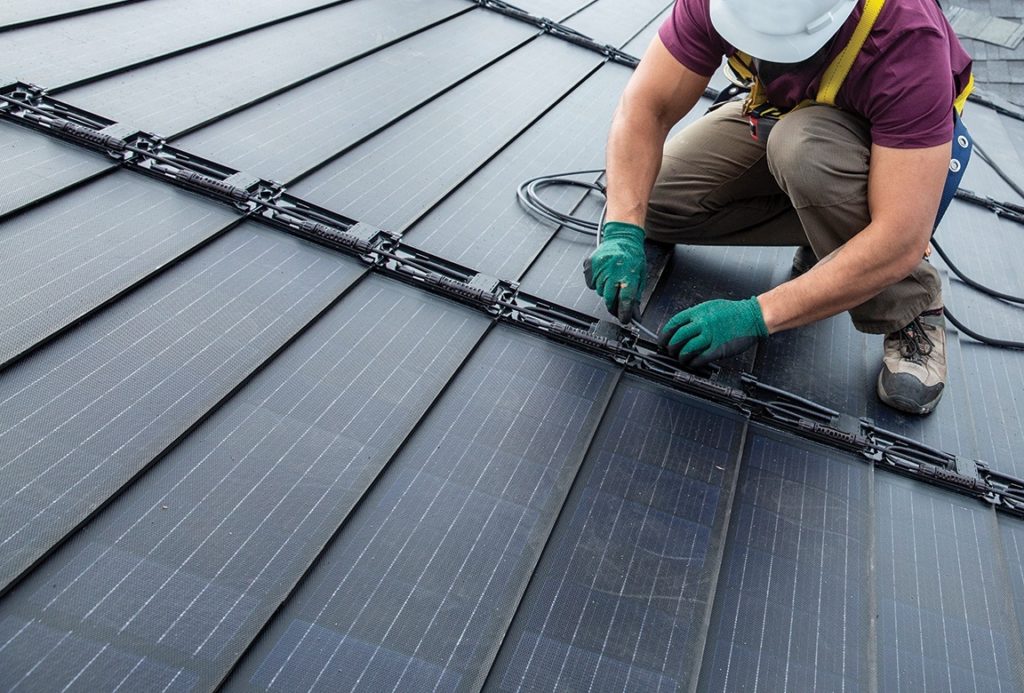
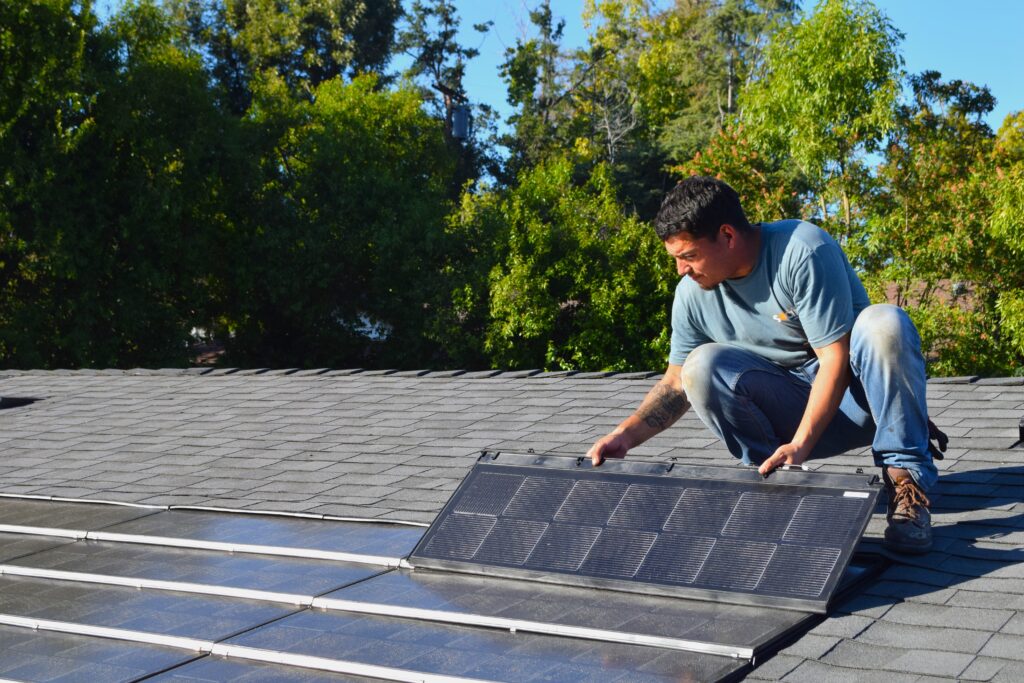
Solar roofing refers to photovoltaic materials integrated directly into roofing products, such as solar shingles or tiles. These systems blend with the roof’s structure, providing both weather protection and electricity generation. In contrast, traditional solar panels are mounted on top of existing roofs, using racks or brackets.
Both approaches harness sunlight to generate electricity, but their design, installation, and performance characteristics differ. The choice between these two options often depends on efficiency, aesthetics, installation complexity, and budget.
Comparing Efficiency: Solar Roofs vs. Panels
When evaluating solar roofing efficiency, it’s important to consider the conversion rate of sunlight to usable electricity. Traditional solar panels, especially monocrystalline models, typically achieve efficiency rates between 18% and 22%. This means that up to 22% of the sunlight hitting the panel is converted into electricity.
Integrated solar roofs, such as solar shingles or tiles, usually have lower efficiency rates, often ranging from 13% to 18%. The main reasons for this difference include:
- Design constraints: Solar roofing materials must balance durability, weatherproofing, and aesthetics, which can limit the surface area available for photovoltaic cells.
- Heat dissipation: Roof-integrated systems may retain more heat, reducing their ability to operate at peak efficiency compared to raised panels with better airflow.
- Orientation and shading: Solar roofs are fixed to the roof’s angle, which may not always be optimal for sunlight exposure, whereas panels can be tilted for maximum performance.
Factors That Influence Solar Roofing Performance
The question of how efficient is solar roofing depends on several variables beyond just the technology itself. Here are some key factors:
- Roof orientation and pitch: The angle and direction of your roof affect how much sunlight reaches the solar surface. South-facing roofs with a moderate pitch are ideal in the northern hemisphere.
- Local climate: Regions with frequent cloud cover or heavy snowfall may see reduced output from both systems, but solar roofs may be more affected due to their flush installation.
- Quality of materials: Premium solar tiles or shingles can offer better performance and longevity, but may still lag behind the top-tier panels in raw efficiency.
- Installation quality: Proper installation is critical for minimizing shading, ensuring electrical safety, and maximizing energy yield.
Latest Developments in Solar Roofing Technology
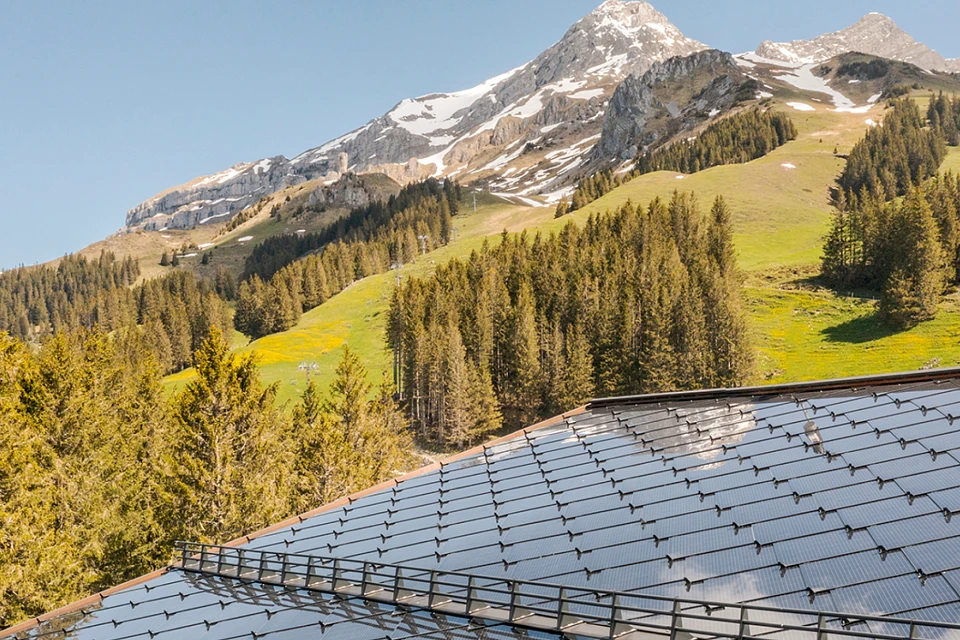
Recent years have seen significant improvements in integrated solar roof products. Manufacturers are developing more efficient photovoltaic materials, improved weatherproofing, and sleeker designs. For a deeper look at these advancements, see the latest solar roofing technology overview.
Some of the most notable innovations include:
- Interlocking solar tiles that provide seamless weather protection and improved energy generation.
- Enhanced cell technology, such as bifacial or heterojunction cells, which can boost efficiency even in roof-integrated formats.
- Smart monitoring systems that optimize output and alert homeowners to maintenance needs.
Cost vs. Efficiency: What Matters Most?
While traditional panels generally offer higher efficiency, solar roofing provides unique value in terms of aesthetics and integration. Homeowners replacing an old roof may find it cost-effective to install solar shingles or tiles, as it combines two projects into one. However, if maximizing energy output per square foot is the priority, conventional panels remain the top choice.
It’s also important to factor in long-term durability, maintenance, and the potential for future upgrades. Integrated solar roofs may have higher upfront costs, but can add to property value and curb appeal.
Pros and Cons of Integrated Solar Roofs
To help you weigh your options, here’s a summary of the main advantages and disadvantages of integrated solar roofing compared to traditional panels:
- Advantages:
- Seamless appearance and improved curb appeal
- Dual function as both roof and solar generator
- Potentially higher property value
- Reduced risk of leaks compared to rack-mounted panels
- Disadvantages:
- Lower efficiency compared to top-tier panels
- Higher upfront installation costs
- Limited flexibility in orientation and tilt
- Fewer product options and installers in some regions
For a more detailed breakdown, you can read about the advantages and disadvantages of solar roof tiles from an industry perspective.
Choosing the Right Solar Solution for Your Home
Deciding between integrated solar roofing and traditional panels involves more than just comparing efficiency numbers. Consider your roof’s age, your budget, local climate, and your priorities for aesthetics versus maximum energy production. If you’re planning a new roof or want a low-profile look, integrated solar may be a compelling option. If you want the highest output and flexibility, panels are likely the better choice.
For those interested in the future of these technologies, check out solar roofing future trends to see what’s on the horizon for both products and market adoption.
FAQs About Solar Roofing Efficiency
Are solar shingles as efficient as traditional solar panels?
Generally, solar shingles and tiles have lower efficiency rates than standard panels. Most shingles convert 13%–18% of sunlight into electricity, while high-quality panels can reach 20% or more. However, ongoing innovations are gradually closing this gap.
Can I install solar roofing on any type of roof?
Integrated solar systems work best on new or recently replaced roofs with a suitable pitch and orientation. Complex roof shapes or heavily shaded areas may reduce their effectiveness. A solar roofing site assessment can help determine your home’s suitability.
How long do solar roofs last compared to panels?
Both solar roofs and panels are designed for long lifespans, often 25 years or more. The actual longevity depends on product quality, installation, and local weather conditions. Integrated systems may have the added benefit of protecting the underlying roof structure.
What maintenance is required for integrated solar roofs?
Maintenance for solar roofing is similar to that of traditional panels: periodic cleaning to remove debris and occasional inspections to check for damage or electrical issues. Because solar roofs are flush with the roofline, they may accumulate less debris than raised panels.
Conclusion
The efficiency of solar roofing compared to traditional panels depends on several factors, including technology, installation, and site conditions. While panels generally offer higher conversion rates, integrated solar roofs provide unique benefits in appearance and dual functionality. By considering your specific needs and consulting with qualified installers, you can choose the best solar solution for your property.
For more insights into the latest advancements, visit our guide on innovations in solar roofing and stay informed about the rapidly changing world of solar energy.