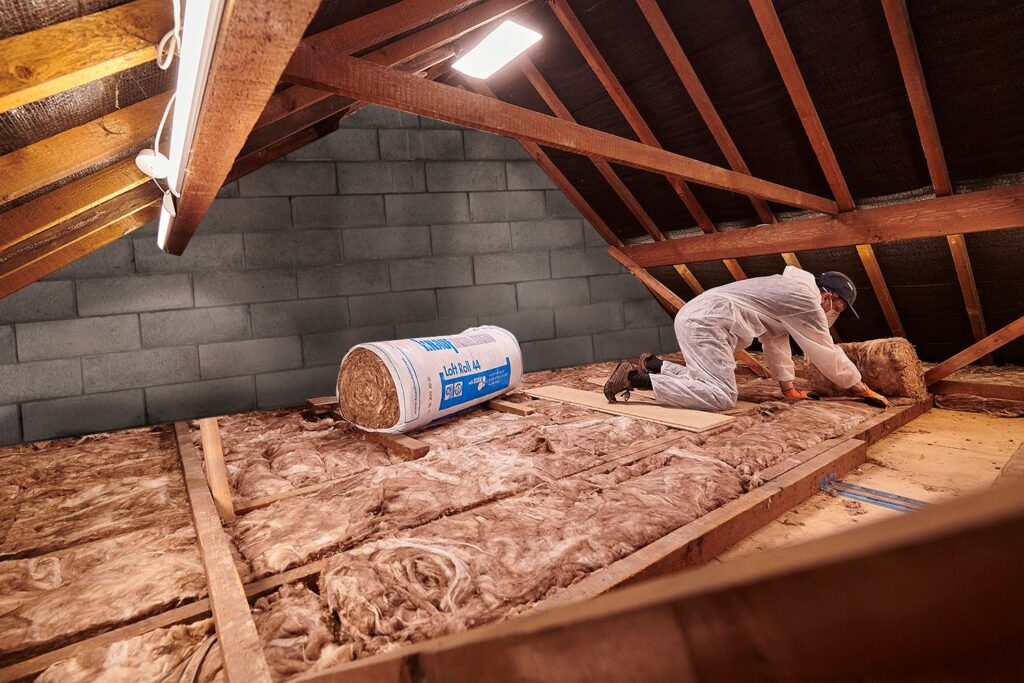
As concerns about climate change and environmental impact grow, homeowners are increasingly looking for ways to make their properties more energy efficient. One of the most effective yet often overlooked solutions is improving attic insulation. By reducing the amount of energy needed to heat and cool a home, attic insulation plays a significant role in lowering greenhouse gas emissions and promoting sustainability. Understanding how attic insulation reduces carbon footprint can help you make informed decisions that benefit both your wallet and the planet.
In this article, we’ll explore the science behind attic insulation, its impact on energy consumption, and the broader environmental benefits. We’ll also discuss practical steps for upgrading your attic and how this simple improvement can complement other green technologies, such as solar roofing. For those interested in the latest advancements in sustainable roofing, you may want to read about solar roofing market trends for a comprehensive look at emerging solutions.
The Science Behind Energy Loss in Attics
Heat naturally moves from warmer areas to cooler ones. In a typical home, a significant amount of heat escapes through the attic, especially during colder months. Without proper insulation, warm air rises and leaks out, forcing heating systems to work harder to maintain comfortable indoor temperatures. Conversely, in summer, heat from the sun can penetrate the attic, making cooling systems run longer and consume more energy.
Attic insulation acts as a barrier, slowing the transfer of heat between the living space and the outside environment. By minimizing this exchange, insulation helps maintain a consistent indoor temperature, reducing the need for artificial heating and cooling. This not only improves comfort but also directly impacts energy usage and emissions.

Ways Attic Insulation Minimizes Environmental Impact
The connection between attic insulation and environmental sustainability is rooted in energy efficiency. Here are some key ways that improved insulation in your attic can help lower your home’s carbon emissions:
- Reduced Energy Consumption: With less heat loss in winter and less heat gain in summer, your HVAC system doesn’t have to work as hard. This leads to lower electricity and fuel usage.
- Lower Greenhouse Gas Emissions: Most homes rely on electricity or fossil fuels for heating and cooling. By using less energy, you directly decrease the amount of carbon dioxide and other greenhouse gases released into the atmosphere.
- Extended Lifespan of HVAC Equipment: When heating and cooling systems operate more efficiently, they experience less wear and tear, reducing the frequency of replacements and the environmental impact of manufacturing and disposing of old equipment.
- Improved Indoor Air Quality: Proper insulation can help prevent the infiltration of outdoor pollutants and allergens, creating a healthier living environment.
Types of Attic Insulation and Their Benefits
There are several types of insulation materials commonly used in attics, each with its own advantages. Understanding these options can help you select the best solution for your home and environmental goals.
- Fiberglass Batts: Widely available and cost-effective, fiberglass batts are easy to install and offer good thermal resistance.
- Blown-In Cellulose: Made from recycled paper products, cellulose insulation is an eco-friendly choice that provides excellent coverage, especially in hard-to-reach spaces.
- Spray Foam: This option creates an air-tight seal, offering superior energy efficiency. It’s ideal for attics with irregular shapes or numerous penetrations.
- Rigid Foam Boards: These are effective for adding insulation to attic hatches or knee walls, further reducing heat transfer.
Choosing the right material and ensuring proper installation are both crucial for maximizing the benefits. Inadequate or poorly installed insulation can leave gaps that undermine energy savings and environmental impact.

How Upgrading Attic Insulation Reduces Carbon Footprint
Upgrading your attic’s insulation is a straightforward and cost-effective way to make a measurable difference in your household’s environmental impact. Here’s how this improvement translates into a smaller carbon footprint:
- Energy Savings: According to the U.S. Department of Energy, proper attic insulation can reduce heating and cooling costs by up to 15%. This means less energy is drawn from power plants, many of which still rely on fossil fuels.
- Lower Emissions: Every kilowatt-hour of electricity saved prevents a certain amount of carbon dioxide from entering the atmosphere. Over time, these savings add up, especially when multiplied across millions of homes.
- Support for Renewable Energy: Homes that are well-insulated require less energy overall, making it easier to meet their needs with renewable sources like solar. For more on how insulation and solar technology work together, see the latest developments in solar roofing technology.
By taking steps to improve attic insulation, homeowners can play a direct role in combating climate change while enjoying lower utility bills and increased comfort.
Integrating Attic Insulation with Other Green Technologies
While attic insulation is a powerful tool for reducing energy waste, its benefits are amplified when combined with other sustainable home improvements. For example, pairing upgraded insulation with high-efficiency windows, smart thermostats, and solar roofing can further decrease your environmental impact.
Innovations in the roofing industry continue to make it easier for homeowners to adopt a holistic approach to sustainability. Those interested in learning more about the future of eco-friendly roofing may want to explore solar roofing future trends for insights into upcoming technologies and market shifts.
Ultimately, the most effective strategy involves addressing multiple aspects of your home’s energy performance, with attic insulation serving as a foundational step.
Frequently Asked Questions
How does attic insulation contribute to a greener home?
By minimizing heat loss and gain, attic insulation reduces the amount of energy required to maintain comfortable indoor temperatures. This leads to lower utility bills and fewer greenhouse gas emissions, making your home more environmentally friendly.
What’s the best type of insulation for reducing carbon emissions?
The most effective insulation is one that fits your attic’s specific needs and is installed correctly. Materials like blown-in cellulose (which uses recycled content) and spray foam (which creates an airtight seal) are both excellent choices for maximizing energy efficiency and minimizing environmental impact.
Can attic insulation work with solar panels and other renewable systems?
Absolutely. Proper attic insulation reduces your home’s overall energy demand, making it easier for renewable systems like solar panels to meet your needs. This synergy further reduces your household’s carbon footprint and supports a transition to cleaner energy sources.