Understanding the costs of replacing a roof is essential for homeowners looking to protect their investment and avoid unnecessary expenses. The process can be overwhelming, with prices varying widely depending on materials, labor, and location. This guide breaks down the main factors influencing roof replacement costs and offers practical tips to help you save money while ensuring quality results.
Whether you’re budgeting for a future project or facing urgent repairs, knowing what to expect from a comprehensive roof replacement pricing guide can help you make informed decisions and avoid costly surprises. We’ll also highlight key resources, including a detailed asphalt shingles installation cost breakdown, so you can compare options and plan your project with confidence.
Key Factors That Influence Roof Replacement Costs
Several elements contribute to the final price of a new roof. Understanding these variables will help you interpret any roof replacement pricing guide and compare quotes from contractors effectively.
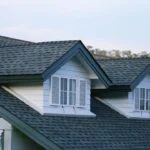
- Roof Size and Complexity: Larger roofs require more materials and labor. Complex designs with multiple slopes, valleys, or dormers can increase installation time and cost.
- Material Selection: Asphalt shingles, metal, tile, and slate all have different price points. For example, asphalt shingles are typically the most budget-friendly, while slate and metal can be significantly more expensive.
- Labor Rates: Local labor costs vary depending on region and demand. Urban areas or locations with a shortage of skilled roofers may see higher rates.
- Removal of Old Roofing: Tearing off existing materials adds to the labor and disposal fees. Some homes may require multiple layers to be removed, increasing costs.
- Roof Deck Repairs: If your roof deck is damaged or rotted, repairs or replacement will add to the overall price.
- Permits and Inspections: Local building codes may require permits and inspections, each with their own fees.
Average Price Ranges for Common Roofing Materials
Material choice is one of the biggest drivers of your total investment. Here’s a look at typical price ranges per square foot, including both materials and installation:
| Material | Average Cost per Sq. Ft. | Estimated Lifespan |
|---|---|---|
| Asphalt Shingles | $3.50 – $5.50 | 15–30 years |
| Metal Roofing | $7.00 – $14.00 | 40–70 years |
| Clay/Concrete Tile | $10.00 – $20.00 | 50+ years |
| Slate | $15.00 – $30.00 | 75–100+ years |
For a more detailed breakdown of asphalt shingle roof cost and how it compares to other options, consult our in-depth guides.
How to Save Money on Your Roof Replacement
While a new roof is a significant investment, there are several ways to keep costs under control without sacrificing quality. Here are some practical strategies:
- Get Multiple Quotes: Always request estimates from at least three reputable contractors. This helps you understand the market rate and avoid overpaying.
- Choose Materials Wisely: Opt for materials that balance durability and cost. Asphalt shingles, for example, offer good value for most homes. For more information, see our roofing shingle price guide.
- Schedule During Off-Peak Seasons: Roofing companies are often busiest in late spring and summer. Scheduling your project in the fall or winter may result in lower prices and faster turnaround.
- Address Minor Repairs Early: Fixing small leaks or damaged shingles promptly can prevent more extensive—and expensive—damage down the line.
- Consider Overlay vs. Tear-Off: In some cases, you may be able to install new shingles over existing ones, reducing labor and disposal costs. However, this isn’t always recommended, especially if there are underlying issues.
- DIY Minor Tasks: While most roof work should be left to professionals, you can save on costs by handling minor maintenance or cleanup yourself.
Comparing Roofing Contractors and Getting the Best Value
Choosing the right contractor is just as important as selecting the right materials. Here’s what to look for when reviewing bids and proposals:
- Licensing and Insurance: Ensure your contractor is properly licensed and carries adequate insurance to protect your property and their workers.
- Detailed Written Estimates: Ask for itemized quotes that break down material, labor, and any additional fees. This makes it easier to compare options and spot hidden charges.
- References and Reviews: Check recent customer feedback and ask for references to verify the contractor’s track record.
- Warranty Coverage: A strong warranty on both materials and workmanship can provide peace of mind and protect your investment.
For more on installation best practices, check out our guide to shingle roofing installation tips for a leak-free home.
Understanding Warranties and Long-Term Value
When reviewing your options, consider not just the upfront expense but also the long-term value. Higher-quality materials may cost more initially but can save you money over time through reduced maintenance and longer lifespans. Warranties are another essential aspect—look for both manufacturer warranties on materials and workmanship guarantees from your installer.
For a deeper dive into budgeting, see our resource on asphalt roof cost per square foot, which breaks down expenses for different project sizes.
Additional Resources for Roofing Materials and Installation
To further explore your choices, you can review this comprehensive guide to types of asphalt roofing shingles for insights on durability, style, and performance. Comparing different shingle types and grades can help you select the best fit for your home and budget.
Frequently Asked Questions
How do I know when it’s time to replace my roof?
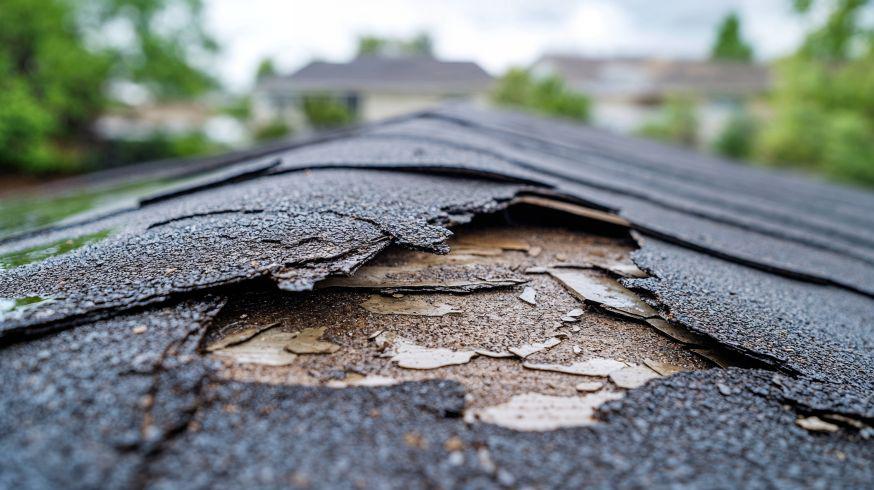
Common signs include missing or curling shingles, frequent leaks, granule loss, and visible sagging. If your roof is over 20 years old or you notice multiple problem areas, a professional inspection can help determine if replacement is necessary.
Can I install a new roof over my existing shingles?
In some cases, yes—this is called a roof overlay. However, it’s only suitable if the existing roof is in good condition and local codes allow it. Overlays can save money but may not last as long as a full tear-off and replacement.
What is the best way to compare roofing estimates?
Look for detailed, itemized quotes that separate material, labor, and additional fees. Compare warranties, contractor reputation, and the quality of materials specified. Don’t automatically choose the lowest bid—focus on overall value and reliability.
How can I extend the life of my new roof?
Regular maintenance is key. Keep gutters clear, address minor repairs promptly, and schedule periodic inspections. Using high-quality sealants and materials can also help prevent leaks and damage.