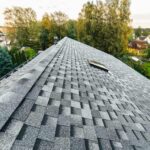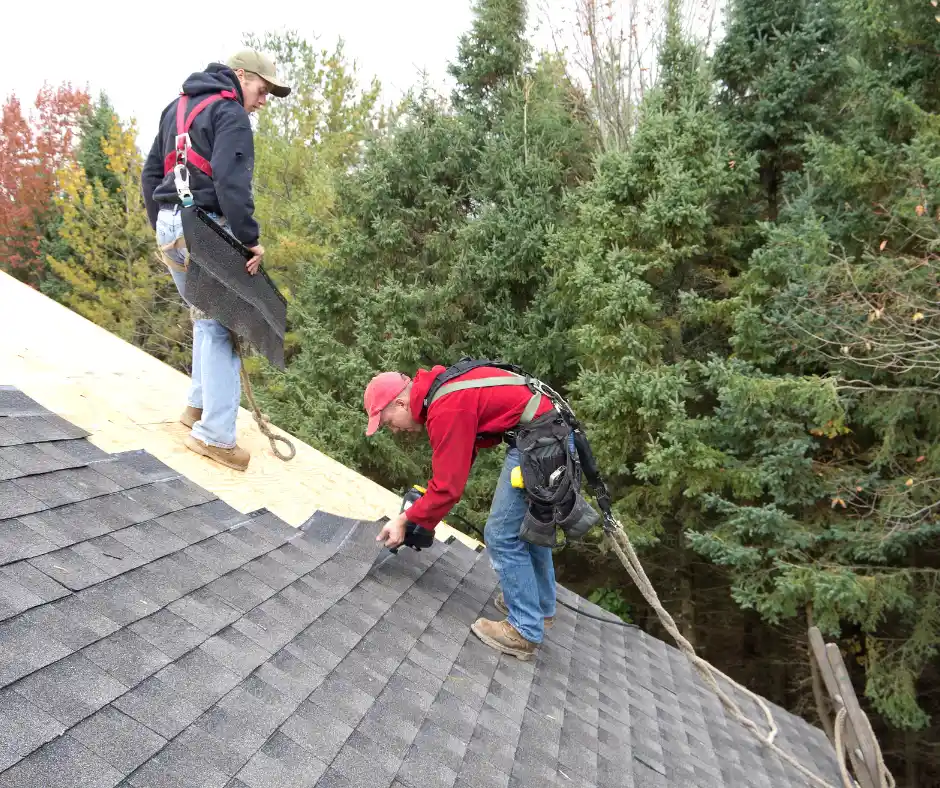
Asphalt shingles are among the most popular roofing materials in North America, prized for their affordability and ease of installation. However, before making a decision for your home, it’s important to weigh the potential drawbacks. While these shingles offer several benefits, there are notable limitations and concerns that homeowners should be aware of to avoid unexpected issues down the road.
This article explores the main disadvantages of asphalt shingles, providing a balanced look at their performance, longevity, and environmental impact. If you’re considering this roofing option, understanding these factors will help you make a more informed choice and potentially save on future repairs or replacements.
For those looking to compare different types of asphalt roofing, you may want to review the best type of asphalt shingles for your home and climate. This resource can help you evaluate which product aligns with your needs and expectations.
Shorter Lifespan Compared to Other Roofing Materials
One of the most significant drawbacks of asphalt shingles is their relatively short lifespan. While premium versions can last up to 30 years under ideal conditions, most standard options have a service life of 15 to 25 years. This is considerably less than alternatives like metal, tile, or slate, which can often last 40 years or more with proper maintenance.
Factors such as climate, installation quality, and roof ventilation can further reduce the longevity of asphalt shingles. In regions with extreme temperature fluctuations or frequent storms, shingles may deteriorate faster, leading to premature aging and the need for replacement sooner than expected.
Vulnerability to Weather and Environmental Damage
Another key concern is the susceptibility of asphalt shingles to various forms of weather-related damage. High winds can lift or tear shingles, while hail and falling debris may cause cracks or punctures. Prolonged exposure to intense sunlight can also accelerate the breakdown of the asphalt, resulting in curling, blistering, or granule loss.
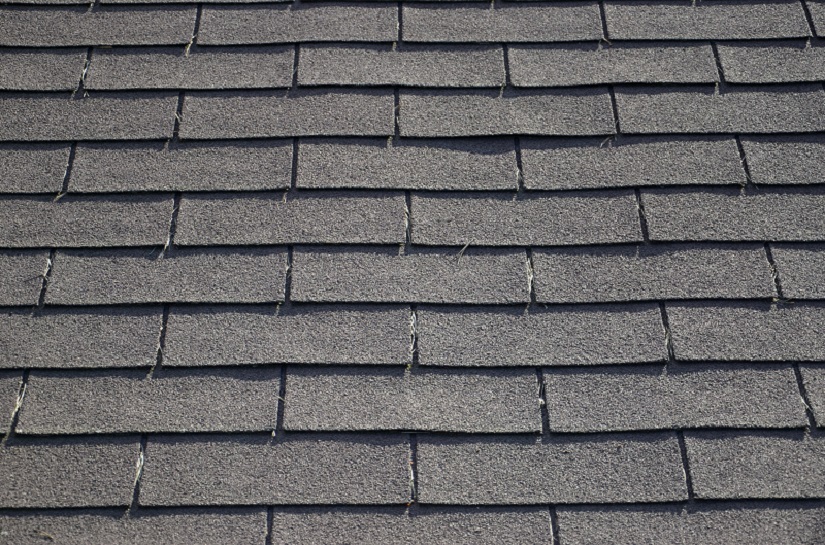
In humid or shaded environments, shingles may also be prone to algae, moss, or mold growth, which can further compromise their integrity. Regular maintenance and prompt repairs are essential to prevent leaks and extend the life of your roof, but these ongoing needs can add to the total cost of ownership.
Energy Efficiency and Insulation Limitations
When it comes to energy efficiency, asphalt shingles generally offer less insulation than some other roofing materials. They tend to absorb heat, which can increase cooling costs during hot weather. While reflective or light-colored shingles can help mitigate this effect, the overall insulating properties remain limited compared to options like metal or tile roofs.
Homeowners seeking to improve their home’s energy performance may need to invest in additional attic insulation or consider alternative roofing products that provide better thermal resistance.
Environmental Concerns and Sustainability Issues
Environmental impact is another important consideration. Asphalt shingles are petroleum-based, and their production involves significant energy consumption and greenhouse gas emissions. At the end of their lifespan, most shingles end up in landfills, contributing to waste and environmental degradation.
Although some recycling programs exist, the majority of discarded shingles are not recycled. For those prioritizing sustainability, this can be a major disadvantage. Exploring options like metal, clay, or recycled-content roofing may be more environmentally responsible.
For a deeper look at the history and environmental aspects of asphalt roofing, the article on organic asphalt shingles provides valuable context and background.
Maintenance and Repair Challenges
While asphalt shingles are often marketed as low-maintenance, they are not immune to issues that require attention. Common problems include granule loss, curling, cracking, and missing shingles. Addressing these issues promptly is crucial to prevent water infiltration and structural damage.
Repairs can be straightforward for minor issues, but widespread damage or aging may necessitate a full roof replacement. Homeowners should also be aware that color matching replacement shingles can be difficult, especially as the roof ages and the original color fades.
Cost Considerations Beyond the Initial Price
One of the main attractions of asphalt shingles is their low upfront cost. However, the total cost of ownership can be higher than anticipated due to their shorter lifespan, susceptibility to damage, and maintenance needs. Over several decades, the need for one or more replacements may offset the initial savings.
It’s also important to factor in the potential for increased insurance premiums in areas prone to severe weather, as some insurers may view asphalt shingle roofs as higher risk compared to more durable materials.
Other Notable Drawbacks and Considerations
- Limited Aesthetic Options: While available in many colors and styles, asphalt shingles may not offer the same premium appearance as slate, wood, or metal roofing.
- Fire Resistance: Standard asphalt shingles are less fire-resistant than some alternatives. Upgraded products are available, but may come at a higher cost.
- Weight: Although lighter than tile or slate, asphalt shingles are heavier than metal, which can be a concern for some roof structures.
- Potential for Ice Dams: In colder climates, poor attic ventilation and insulation can lead to ice dam formation, causing water to back up under the shingles and potentially lead to leaks.
For those interested in the technical details and composition of these products, the asphalt shingle overview on Wikipedia offers a comprehensive explanation.
Comparing Asphalt Shingles to Other Roofing Types
When deciding on a roofing material, it’s helpful to compare asphalt shingles with other options. For example, fiberglass shingles offer improved durability and fire resistance over traditional organic-based products. Metal and tile roofs, while more expensive initially, can provide longer lifespans and better energy efficiency.
Budget, climate, and personal preferences all play a role in determining the best fit for your home. If cost is a primary concern, 3 tab asphalt shingles may be worth considering, but be aware of their limitations in terms of durability and appearance.
Signs Your Asphalt Shingles May Need Replacement
Recognizing when your roof is nearing the end of its useful life is crucial for avoiding leaks and costly repairs. Common roof aging signs include widespread curling, missing granules, cracked or missing shingles, and visible sagging. Regular inspections can help you catch problems early and plan for timely replacement.
Frequently Asked Questions
How long do asphalt shingles typically last?
Most standard asphalt shingles last between 15 and 25 years, depending on the quality, installation, and local climate. Premium or architectural varieties may reach up to 30 years, but this is still shorter than many alternative roofing materials.
Are asphalt shingles environmentally friendly?
Asphalt shingles are petroleum-based and generally not considered environmentally friendly. While some recycling programs exist, the majority end up in landfills. Homeowners concerned about sustainability may want to explore other roofing options.
What maintenance do asphalt shingles require?
Regular maintenance includes inspecting for damaged or missing shingles, cleaning gutters, removing debris, and addressing moss or algae growth. Prompt repairs are important to prevent leaks and extend the roof’s lifespan.
Can asphalt shingles withstand severe weather?
While some high-quality shingles are rated for wind and impact resistance, standard products can be vulnerable to high winds, hail, and temperature extremes. Homeowners in storm-prone areas should consider upgraded options or alternative materials.
Conclusion
Choosing a roofing material is a significant investment, and understanding the disadvantages of asphalt shingles is essential for making the best decision for your home. While these shingles remain a popular and cost-effective choice, their shorter lifespan, susceptibility to damage, and environmental concerns are important factors to weigh against their benefits. By considering your local climate, maintenance capabilities, and long-term goals, you can select the roofing solution that best meets your needs.