Homeowners and builders are increasingly interested in energy efficiency, especially when it comes to managing heat in attics and under roofing. Understanding how reflective insulation works is essential for anyone looking to reduce energy costs and improve indoor comfort. This article explores the science behind reflective insulation, its installation in attics and roof assemblies, and the benefits it brings to modern homes.
For those interested in the intersection of insulation and solar advancements, the solar roofing market trends provide valuable insights into how building envelope technologies are evolving.
The Science Behind Reflective Insulation
To appreciate the effectiveness of reflective insulation, it helps to understand the basics of heat transfer. Heat moves in three ways: conduction, convection, and radiation. While traditional insulation materials like fiberglass or cellulose primarily slow down conductive and convective heat, reflective insulation is designed to combat radiant heat transfer.
Radiant heat is the primary way attics and roofs gain heat from the sun. When sunlight hits a roof, much of that energy is absorbed and radiated downward into the attic space. Reflective insulation, often made from aluminum foil laminated onto paper or plastic substrates, works by reflecting radiant energy away from the living space. This can significantly reduce the amount of heat that enters the home during hot weather.
How Reflective Barriers Function in Attic Spaces
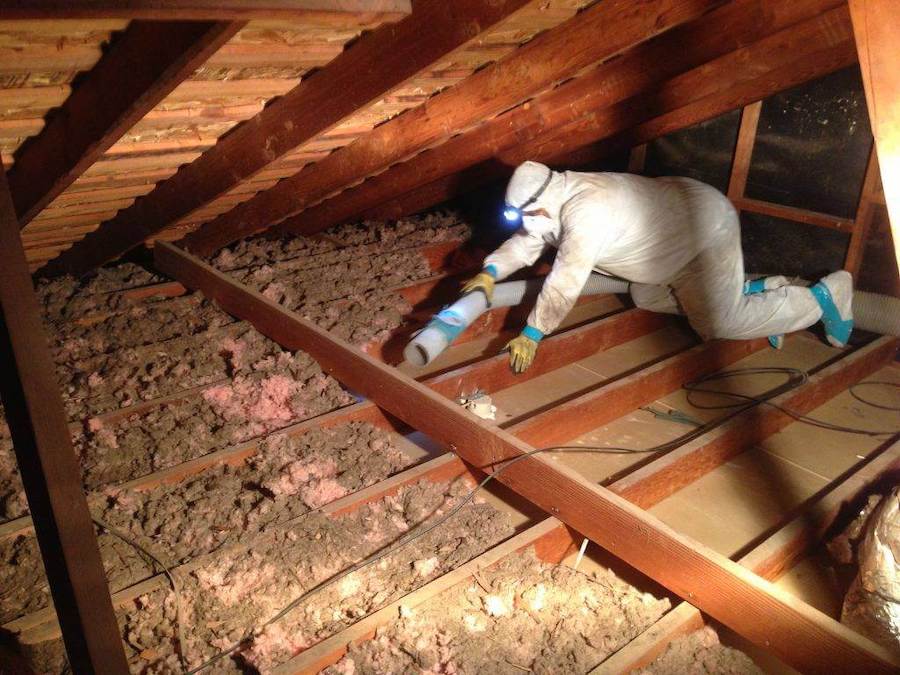
In attic installations, reflective insulation is typically installed just below the roof decking or laid over the attic floor. The shiny surface faces an air space, which is crucial for maximizing its reflective properties. Without this air gap, the insulation cannot effectively reflect radiant heat.
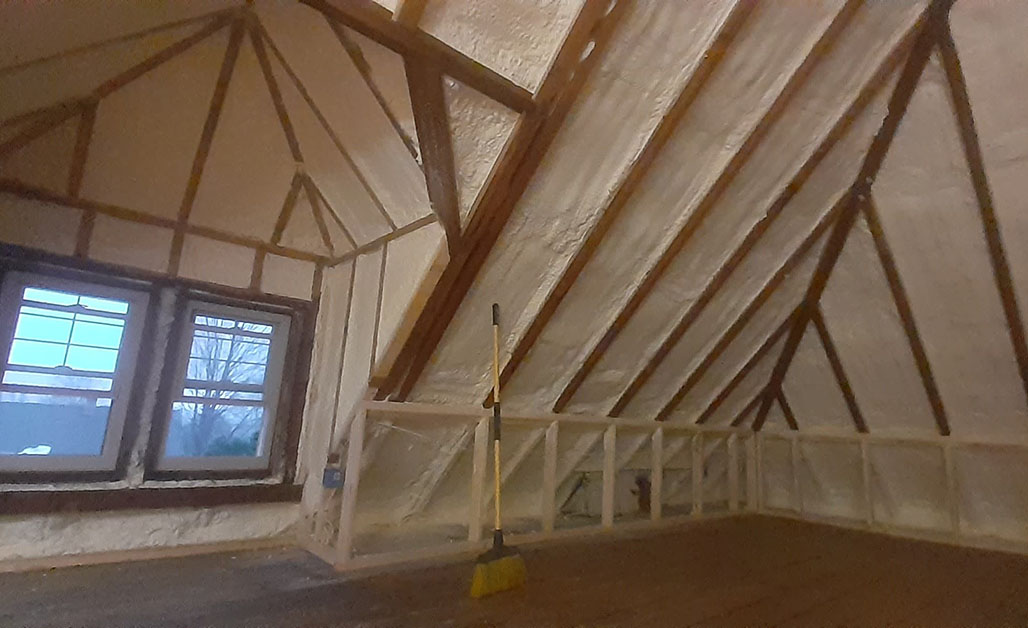
The installation process is straightforward: the reflective material is stapled to the underside of the roof rafters or laid loosely over existing insulation. This setup creates a barrier that reflects up to 97% of radiant heat, keeping attic temperatures lower and reducing the load on air conditioning systems.
Key Benefits of Using Reflective Insulation
There are several advantages to using reflective insulation in attics and roof assemblies:
- Energy Savings: By reflecting radiant heat, these barriers help maintain cooler attic spaces, which translates to lower cooling costs during summer months.
- Improved Comfort: Homes with reflective insulation experience more stable indoor temperatures, reducing hot spots and improving overall comfort.
- Moisture Control: Some reflective products come with vapor barriers that help manage moisture, preventing condensation and related issues.
- Lightweight and Easy to Install: Reflective insulation is thin and lightweight, making it easier to handle and install compared to bulky traditional insulation materials.
- Durability: Aluminum-based barriers are resistant to mold, mildew, and pests, ensuring long-term performance.
Comparing Reflective and Traditional Insulation Methods
While both reflective and traditional insulation materials aim to reduce heat flow, their mechanisms differ. Traditional options like fiberglass batts or blown-in cellulose trap air to slow down conductive and convective heat. In contrast, reflective insulation targets radiant heat, which can account for up to 93% of heat gain in attics during summer.
For optimal performance, many homes combine both types. For example, a layer of fiberglass insulation on the attic floor can be paired with a radiant barrier under the roof deck. This hybrid approach addresses all forms of heat transfer, maximizing energy efficiency.
Installation Considerations and Best Practices
Proper installation is critical for reflective insulation to function effectively. Here are some key considerations:
- Air Space: Always maintain an air gap between the reflective surface and the adjacent material. This space is necessary for the barrier to reflect radiant heat.
- Orientation: The reflective side should face the open air space, not pressed against solid materials.
- Ventilation: Good attic ventilation works hand-in-hand with reflective insulation, helping to remove any heat that does enter the space.
- Coverage: For best results, cover as much of the attic or roof area as possible. Gaps or overlaps can reduce effectiveness.
- Moisture Management: In humid climates, choose products with integrated vapor barriers to prevent condensation.
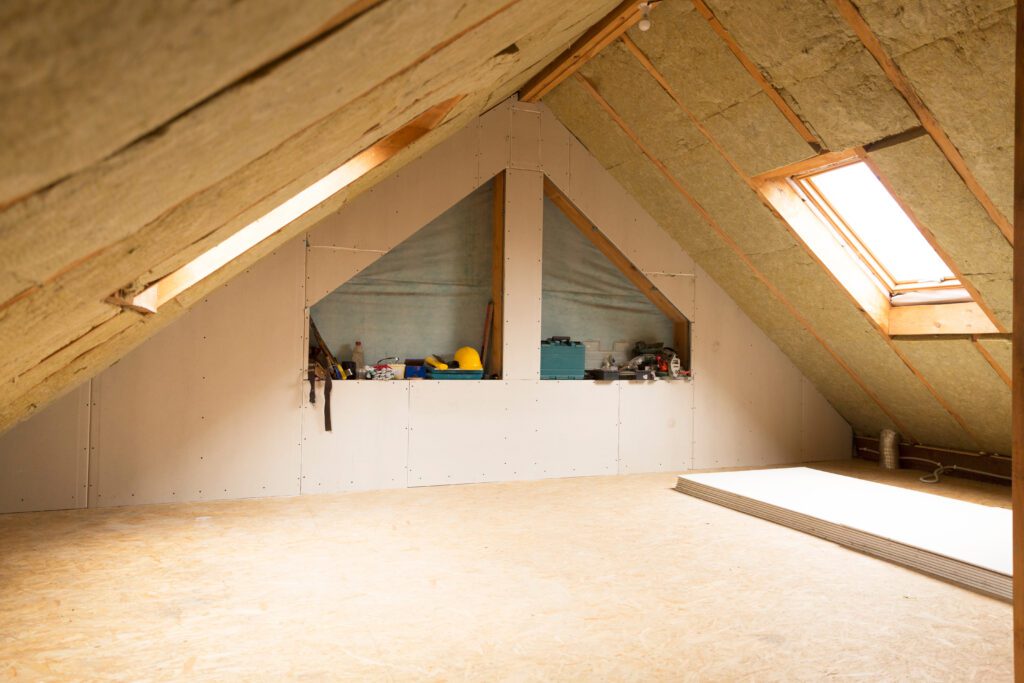
Reflective Insulation and Modern Roofing Trends
As energy codes become stricter and homeowners demand more sustainable solutions, reflective insulation is finding its place alongside advanced roofing technologies. For example, integrating reflective barriers with solar-ready roofs can further enhance energy savings. Those interested in the latest developments can explore resources like latest solar roofing technology and innovations in solar roofing for a broader perspective on how insulation and solar advancements work together.
Additionally, as the solar roofing future trends evolve, reflective insulation will likely play a role in maximizing the efficiency of integrated solar systems by minimizing heat buildup beneath panels and roof surfaces.
Frequently Asked Questions
What is the main advantage of using reflective insulation in attics?
The primary benefit is its ability to reflect radiant heat away from the living space, which helps keep attic temperatures lower and reduces cooling costs during hot weather.
Can reflective insulation be combined with other types of insulation?
Yes, it is common to use reflective barriers alongside traditional insulation materials like fiberglass or cellulose. This combination addresses all forms of heat transfer—radiant, conductive, and convective—for maximum energy efficiency.
Does reflective insulation work in cold climates?
While its main strength is reducing heat gain in hot climates, reflective insulation can also help retain heat in winter by reflecting radiant heat back into the home. However, its impact is generally more pronounced in warmer regions.
How long does reflective insulation last?
High-quality reflective insulation can last for decades, especially when installed correctly and protected from moisture and physical damage. Aluminum-based barriers are resistant to mold, pests, and degradation.
Is professional installation necessary?
Many homeowners can install reflective insulation themselves, especially in accessible attic spaces. However, for complex roof assemblies or to ensure maximum effectiveness, professional installation is recommended.
In summary, understanding how reflective insulation works can help homeowners make informed decisions about improving energy efficiency and comfort in their homes. When paired with modern roofing solutions and installed according to best practices, reflective barriers offer a practical, cost-effective way to manage heat and enhance the performance of the building envelope.