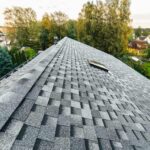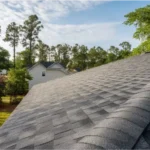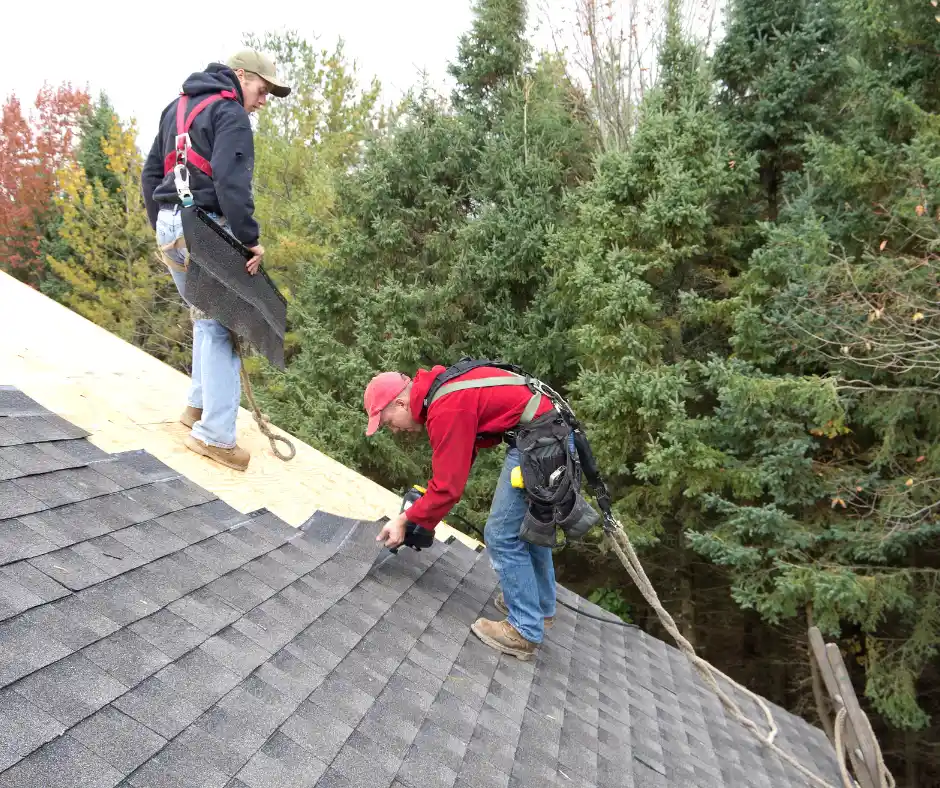
Asphalt shingles are one of the most widely used roofing materials in North America, valued for their affordability, durability, and ease of installation. Whether you’re a homeowner considering a new roof or simply interested in understanding your options, learning about the composition, advantages, and considerations of this roofing solution is essential. This guide provides a comprehensive look at the materials used, the benefits they offer, and key factors to keep in mind when choosing asphalt shingles for your property.
With a long history of reliable performance, asphalt-based shingles have evolved to meet the needs of modern homes and climates. Their popularity is driven by a combination of cost-effectiveness, design variety, and proven protection against the elements. For those interested in sustainable or innovative roofing, you may also want to explore related topics such as solar roofing market trends to see how traditional and emerging technologies compare.
Understanding the Composition of Asphalt Shingles
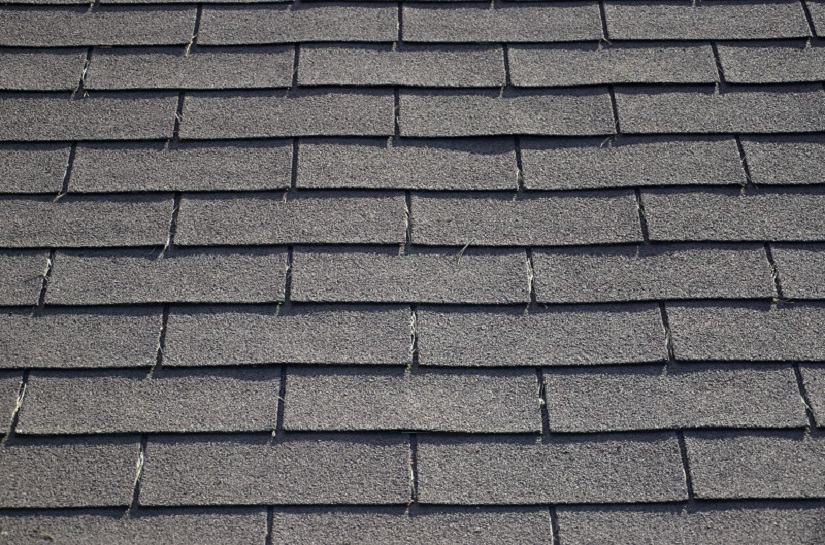
To truly have asphalt shingles explained, it’s important to break down what they’re made of. These roofing products are typically constructed from a base material, an asphalt coating, and a layer of granules. The combination of these elements provides both structural integrity and weather resistance.
- Base Mat: The foundation of each shingle, usually made from fiberglass or organic felt. Fiberglass mats are more common today due to their strength and fire resistance.
- Asphalt Coating: This waterproofing layer is applied to the base mat, providing flexibility and protection against moisture.
- Mineral Granules: The top layer consists of ceramic-coated granules that shield the shingle from UV rays, add color, and improve durability.
The combination of these materials results in a roofing product that is both lightweight and robust, making it suitable for a wide range of architectural styles and climates.
Types of Asphalt Shingles and Their Features
There are several varieties of asphalt-based roofing shingles, each with unique characteristics and advantages. Understanding the differences can help you make an informed decision for your home or project.
- Three-Tab Shingles: These are the most basic and economical option, featuring a flat appearance with uniform cutouts or “tabs.” They are lightweight and easy to install, making them popular for budget-conscious homeowners.
- Architectural (Dimensional) Shingles: These shingles have a layered, three-dimensional look that mimics the appearance of wood shakes or slate. They are thicker and more durable than three-tab shingles, offering enhanced weather resistance and a longer lifespan.
- Luxury Shingles: Designed to replicate high-end roofing materials, luxury shingles are the heaviest and most durable option. They provide superior aesthetics and performance but come at a higher cost.
Key Benefits of Choosing Asphalt-Based Roofing
There are several compelling reasons why homeowners and contractors often select this type of roofing material. Here are some of the main advantages:
- Affordability: Asphalt shingles are among the most cost-effective roofing solutions, offering a balance of price and performance.
- Ease of Installation: Their lightweight nature and standardized sizes make installation straightforward, reducing labor costs and project timelines.
- Wide Range of Styles: Available in numerous colors, textures, and profiles, these shingles can complement virtually any architectural style.
- Durability: Modern asphalt shingles are engineered to withstand wind, rain, hail, and sun exposure. Many products come with warranties ranging from 20 to 50 years.
- Fire and Algae Resistance: Fiberglass-based shingles offer improved fire resistance, while many products include treatments to prevent algae growth.
For those interested in how traditional roofing compares to newer options, exploring latest solar roofing technology can provide additional insights into the evolving roofing landscape.
Installation and Maintenance Considerations
Proper installation and regular maintenance are crucial for maximizing the lifespan and performance of your roof. Here are some important points to keep in mind:
- Professional Installation: While some homeowners may attempt DIY installation, hiring a qualified roofing contractor is recommended to ensure correct placement, sealing, and ventilation.
- Regular Inspections: Periodic checks for damaged or missing shingles, especially after severe weather, help prevent leaks and costly repairs.
- Cleaning: Removing debris, moss, and algae can extend the life of your roof. Many shingles are now manufactured with algae-resistant coatings for added protection.
- Repairs: Small issues such as cracked or loose shingles should be addressed promptly. Using a quality sealant can help prevent water infiltration and further damage.
Environmental Impact and Sustainability
While asphalt-based roofing is not traditionally viewed as the most eco-friendly option, there have been advancements in recycling and sustainable manufacturing. Many old shingles can now be recycled into road pavement or other products, reducing landfill waste. Additionally, some manufacturers are incorporating recycled materials into new shingles, further minimizing environmental impact.
For those seeking greener alternatives or wanting to integrate renewable energy, consider reading about innovations in solar roofing to see how new technologies are shaping the future of residential and commercial roofs.
How Asphalt Shingles Compare to Other Roofing Materials
When evaluating roofing options, it’s helpful to compare asphalt-based shingles with other common materials:
| Material | Cost | Durability | Appearance | Maintenance |
|---|---|---|---|---|
| Asphalt Shingles | Low | 20–50 years | Varied | Low |
| Metal Roofing | Medium–High | 40–70 years | Modern/Industrial | Low |
| Clay/Concrete Tile | High | 50–100 years | Classic/Traditional | Medium |
| Wood Shakes | Medium–High | 30–50 years | Natural/Rustic | High |
Asphalt-based roofing stands out for its balance of price, ease of installation, and versatility, making it a practical choice for many homeowners.
For a deeper dive into how to get the most from your roof, including maximizing energy efficiency, check out the guide to maximizing solar roofing output.
Frequently Asked Questions
How long do asphalt shingles typically last?
The lifespan of asphalt-based shingles varies depending on the type and quality. Standard three-tab shingles generally last 20–25 years, while architectural and luxury varieties can last 30–50 years with proper care and maintenance.
Are asphalt shingles suitable for all climates?
These shingles perform well in most climates, but it’s important to select products rated for your region’s weather conditions. Some are specifically designed to resist high winds, hail, or algae growth, making them suitable for diverse environments.
Can old asphalt shingles be recycled?
Yes, many recycling facilities accept used shingles, which can be processed and reused in paving materials and other products. This helps reduce landfill waste and supports sustainability efforts in the roofing industry.
Where can I learn more about the technical details of asphalt shingles?
For a detailed overview of the history, manufacturing, and technical specifications, visit the comprehensive Wikipedia article on asphalt shingles.