As solar technology becomes more common on residential and commercial rooftops, many homeowners and business owners have questions about how well these systems work when the sun isn’t shining at its brightest. Understanding solar roofing performance in cloudy weather is crucial for anyone considering an investment in solar energy, especially in regions where overcast days are frequent. This article explores how modern solar roofs handle less-than-ideal sunlight, what factors influence their output, and how you can maximize efficiency even when clouds roll in.
Whether you’re researching for a new installation or looking to optimize your current setup, knowing how solar panels and shingles react to varying weather conditions will help you make informed decisions. For those interested in broader industry developments, you can learn more about solar roofing market trends to see how the sector is evolving.
How Cloud Cover Affects Solar Roof Output
One of the most common concerns about solar energy is how well it performs when the sky is overcast. While it’s true that direct sunlight yields the highest energy production, solar roofs are designed to capture a broad spectrum of light, including diffuse sunlight that penetrates cloud layers.
On a cloudy day, solar panels and shingles typically produce between 10% and 30% of their rated capacity, depending on the thickness and type of cloud cover. Modern photovoltaic (PV) technology is more efficient than ever, allowing systems to generate electricity even in less-than-ideal conditions. This means that, although output drops, your solar roof continues to contribute to your energy needs throughout the year.
Key Factors Influencing Solar Roof Efficiency in Overcast Conditions
Several elements determine how much energy your solar roof can produce when sunlight is limited:
- Panel Type: Monocrystalline panels are generally more efficient in low-light situations compared to polycrystalline or thin-film options.
- System Orientation: Roofs angled to maximize sun exposure will perform better, even during cloudy weather.
- Quality of Installation: Proper installation ensures that panels are free from shading and debris, which can further reduce efficiency.
- Temperature: Surprisingly, cooler temperatures can actually improve PV efficiency, so cloudy days aren’t always a disadvantage.
- Maintenance: Keeping your solar roof clean and free of obstructions helps maintain optimal output.
For a deeper dive into the latest advancements, check out this overview of latest solar roofing technology.
Comparing Solar Shingles and Traditional Panels in Diffuse Light
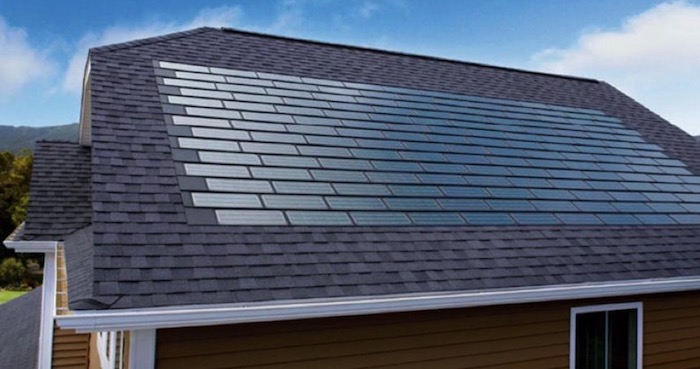
When evaluating solar roofing performance in cloudy weather, it’s helpful to compare the two main types of rooftop solar: traditional panels and integrated solar shingles. Both technologies rely on photovoltaic cells, but their design and installation can affect how they respond to diffuse sunlight.
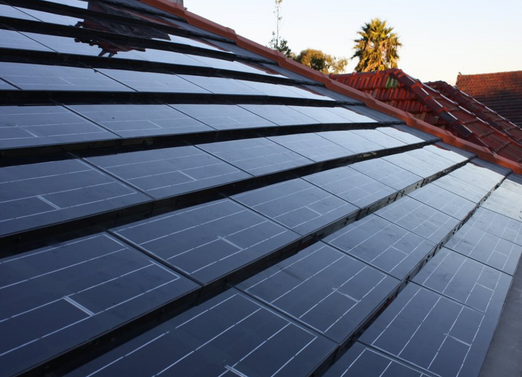
Solar shingles are designed to blend seamlessly with your roof, offering aesthetic benefits and weather resistance. While their efficiency per square foot can be slightly lower than high-end panels, advances in cell technology have narrowed the gap. Both options now offer reliable output during overcast periods, especially when installed with optimal orientation and minimal shading.
For those interested in the latest breakthroughs, you may want to explore innovations in solar roofing that are pushing the boundaries of performance and design.
Maximizing Solar Roof Output on Overcast Days
Even in regions with frequent cloud cover, there are practical steps you can take to get the most from your solar roof:
- Regular Cleaning: Dust, pollen, and debris can further reduce light absorption. Use a dedicated roof cleaning brush to maintain clear surfaces.
- Professional Assessment: Have your system inspected periodically to ensure optimal performance and identify any issues early. The solar roofing site assessment guide offers tips on what to look for.
- Smart Monitoring: Modern inverters and monitoring systems can help you track energy production and spot inefficiencies, allowing you to adjust usage or maintenance schedules as needed.
- Battery Storage: Pairing your solar roof with a battery system lets you store excess energy generated during sunnier periods for use during cloudy spells.
Long-Term Value and Return on Investment
While overcast weather does reduce daily energy output, the overall impact on annual generation is often less significant than many expect. Solar roofs are engineered to provide reliable returns over decades, and most warranties account for gradual efficiency loss rather than sudden drops due to weather. In many climates, the combination of sunny and cloudy days still results in substantial energy savings and environmental benefits.
For a broader perspective on where the industry is heading, you can read about solar roofing future trends and how new materials and designs are making systems even more resilient to variable weather.
Expert Insights: What the Data Shows
Studies consistently show that solar installations in cloudy regions, such as parts of Northern Europe and the Pacific Northwest, still provide excellent value. The key is to size the system appropriately and choose high-efficiency panels or shingles. For more detailed advice on product selection and installation, resources like this comprehensive guide to solar tiles can help you compare options and understand what to expect in your local climate.
FAQ
Do Solar Roofs Work in Rainy or Cloudy Climates?
Yes, solar roofs continue to generate electricity even when the sky is overcast or rainy. While output is reduced compared to sunny days, modern systems are designed to capture both direct and diffuse sunlight, ensuring consistent energy production throughout the year.
How Much Does Cloud Cover Reduce Solar Energy Production?
On average, thick clouds can reduce solar output to about 10–30% of a system’s rated capacity. However, light or scattered clouds may have a less dramatic effect. The overall impact depends on the frequency and density of cloud cover in your area.
Are Certain Solar Roofing Technologies Better for Cloudy Weather?
Monocrystalline panels and advanced solar shingles tend to perform better in low-light conditions compared to older or less efficient technologies. Choosing high-quality materials and ensuring proper installation will help maximize output, even on cloudy days.