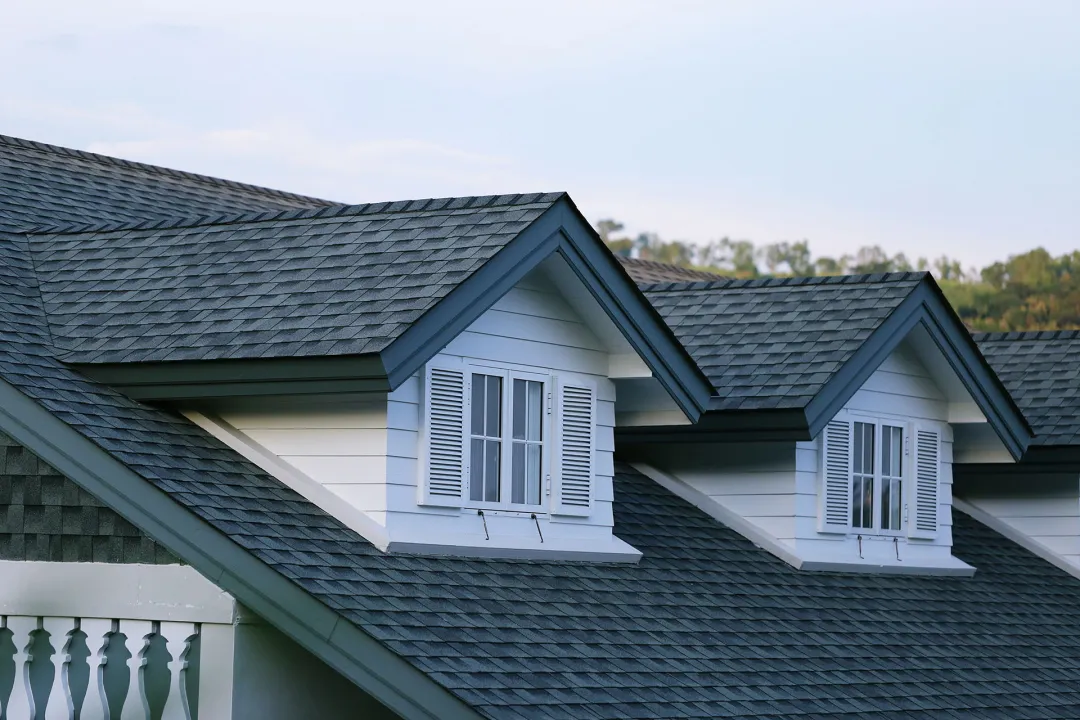
Choosing the right material for a roof replacement is one of the most important decisions a homeowner can make. The roof is your home’s first line of defense against the elements, and its durability, cost, and appearance all play a role in your property’s long-term value. With so many materials and technologies available, finding the best roof replacement options for both longevity and value requires careful consideration of climate, budget, and aesthetic preferences.
In this guide, we’ll break down the most reliable materials, compare their lifespans and costs, and offer practical advice for making a smart investment. If you’re looking for expert installation or want to explore specific products, check out our roofing services asphalt shingles resource for more details on professional solutions.
Understanding the Most Durable Roofing Materials
When evaluating roof replacement choices, longevity is often the top priority. Some materials can last several decades, while others may require replacement sooner but offer cost savings or easier installation. Here’s a look at the most popular and durable types:
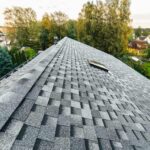
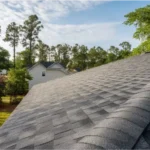
- Asphalt Shingles: Widely used for their affordability and ease of installation, these shingles typically last 20–30 years. Modern architectural varieties can offer improved durability and curb appeal.
- Metal Roofing: Options like steel, aluminum, and copper can last 40–70 years. Metal is highly resistant to weather, fire, and pests, making it a strong choice for longevity.
- Clay and Concrete Tiles: These tiles are known for their classic look and can last 50–100 years with proper care. They’re especially popular in warmer climates but require a sturdy roof structure due to their weight.
- Slate: Natural slate is one of the longest-lasting materials, often exceeding 100 years. It’s also among the most expensive and requires skilled installation.
- Synthetic Roofing: Composite shingles and rubber slate offer the appearance of natural materials with added durability and lower weight. Lifespans vary but can reach 40–50 years.
Comparing the Best Roof Replacement Options for Value
Value isn’t just about upfront cost—it’s about balancing price, lifespan, maintenance, and energy efficiency. Here’s how the leading options stack up:
| Material | Average Lifespan | Estimated Cost (per sq. ft.) | Maintenance |
|---|---|---|---|
| Asphalt Shingles | 20–30 years | $3–$5 | Low |
| Metal Roofing | 40–70 years | $7–$14 | Low |
| Clay/Concrete Tile | 50–100 years | $10–$18 | Medium |
| Slate | 75–100+ years | $15–$30 | Low |
| Synthetic/Composite | 40–50 years | $8–$12 | Low |
For homeowners seeking the best balance of cost and longevity, architectural asphalt shingles and metal roofing are often the most practical choices. For more details on high-performing shingle brands, see our review of top asphalt roofing brands.
Factors to Consider When Selecting a New Roof
Every home and region is unique, so the ideal roofing solution depends on several factors:
- Climate: Metal and tile roofs excel in areas with heavy rain, snow, or high winds. Asphalt shingles are suitable for most climates but may wear faster in extreme heat.
- Budget: Consider not only the initial cost but also the long-term value. Sometimes a higher upfront investment pays off with fewer repairs and replacements.
- Appearance: The roof should complement your home’s style. Slate and tile offer a traditional look, while metal and composite materials provide modern options.
- Structural Support: Heavier materials like tile and slate may require additional framing.
- Local Regulations: Always check with your municipality or HOA for approved materials and color restrictions.
Popular Shingle Types and Their Benefits
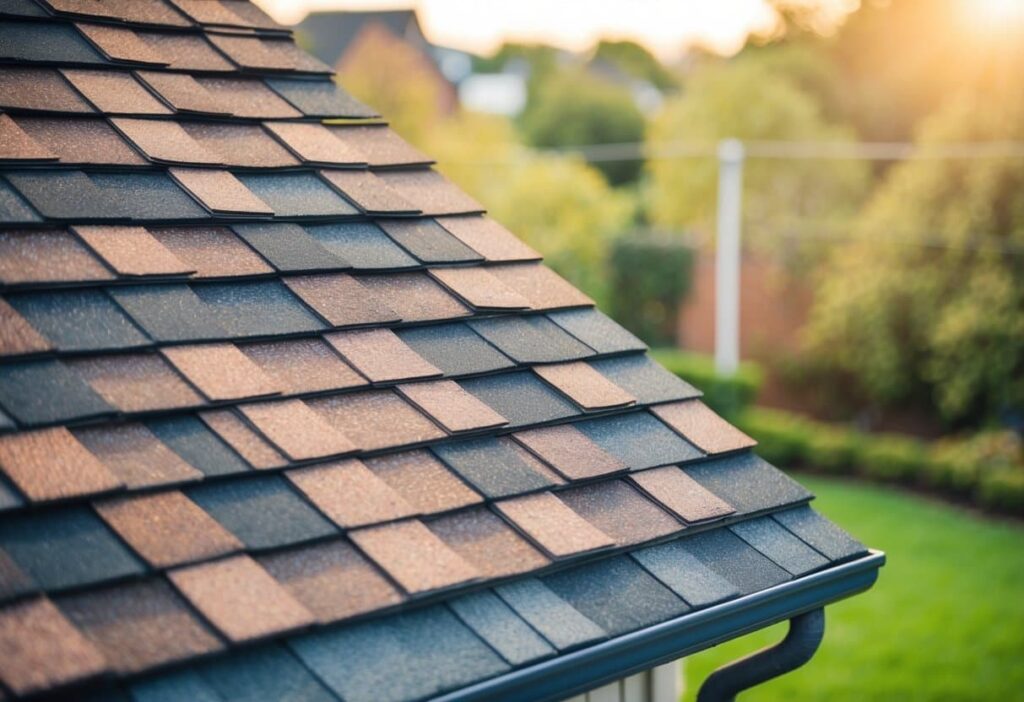
Asphalt shingles remain the most common choice for roof replacements in North America, thanks to their versatility and affordability. There are several types to consider:
- Three-Tab Shingles: The most basic and economical, but with a shorter lifespan (15–20 years).
- Architectural Shingles: Thicker, more durable, and offer a dimensional look. These can last 25–30 years or more.
- Premium/Luxury Shingles: Designed to mimic slate or wood shakes, these provide enhanced durability and aesthetics.
For a comprehensive overview of shingle varieties and their installation, visit this guide to asphalt roofing shingle types.
Metal Roofing: A Long-Term Investment
Metal roofing is gaining popularity among homeowners who want a solution that stands the test of time. Its resistance to fire, wind, and pests makes it ideal for demanding environments. While the initial cost is higher than asphalt, the minimal maintenance and long lifespan often justify the investment. Metal roofs are also energy efficient, reflecting solar heat and helping to lower cooling costs.
For those interested in exploring the latest shingle technologies, our article on best roofing shingles offers expert recommendations for homeowners.
Maximizing Value with Professional Installation
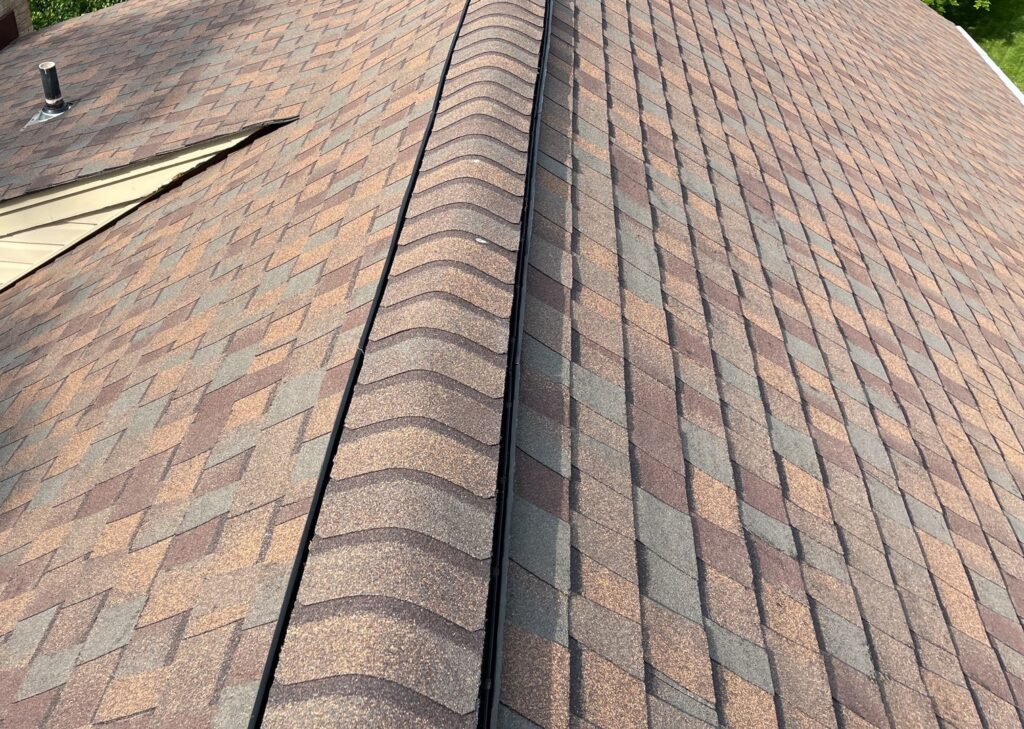
No matter which material you choose, professional installation is key to maximizing the lifespan and performance of your new roof. Skilled contractors ensure proper ventilation, flashing, and sealing—critical factors in preventing leaks and premature wear. If you’re searching for reliable installers, our roofing contractor near me shingles directory can connect you with local experts.
Maintenance Tips for Long-Lasting Roofs
To get the most out of your investment, regular maintenance is essential. Here are a few tips:
- Inspect your roof at least twice a year for missing or damaged shingles, rust, or debris.
- Keep gutters clean to prevent water backup and ice dams.
- Trim overhanging branches to avoid abrasion and moss growth.
- Address minor repairs promptly to prevent larger issues.
Using quality products like sealants and replacement shingles can extend the life of your roof. For top-rated materials, see our roundup of top rated roofing materials.
Frequently Asked Questions
How do I know which roofing material is best for my home?
Consider your local climate, budget, and the architectural style of your house. Asphalt shingles are versatile and affordable, while metal and tile offer superior longevity. Consulting with a professional can help you match the right material to your needs.
What is the most cost-effective roofing option?
Three-tab asphalt shingles are the most affordable upfront, but architectural shingles and metal roofing often provide better long-term value due to their extended lifespans and lower maintenance needs.
How often should a residential roof be replaced?
The replacement timeline depends on the material and local conditions. Asphalt shingles may need replacement every 20–30 years, while metal, tile, and slate can last 50 years or more with proper care.