Taking on attic or roof insulation as a do-it-yourself project can seem like a smart way to save money and improve your home’s energy efficiency. However, even small errors during installation can undermine the benefits of insulation, leading to higher energy bills, uncomfortable indoor temperatures, and even long-term damage to your property. Understanding the most common roof insulation DIY mistakes to avoid is essential for any homeowner considering this project.
In this article, we’ll outline the pitfalls that often occur during self-installed insulation jobs, explain how these errors impact energy performance, and offer practical advice to help you get the most from your efforts. If you’re interested in broader roofing innovations, you might also want to explore innovations in solar roofing for additional ways to enhance your home’s efficiency.
Why Proper Insulation Installation Matters
Insulation acts as a barrier to heat flow, keeping your home warm in winter and cool in summer. When installed correctly, it reduces the demand on your heating and cooling systems, lowers utility costs, and improves overall comfort. Mistakes made during the process can compromise these benefits, resulting in energy loss and potential moisture problems.
With energy efficiency becoming a top priority for homeowners, avoiding common errors is more important than ever. Let’s look at the most frequent issues encountered during DIY insulation projects and how to steer clear of them.
Overlooking Key Steps in Preparation
One of the most frequent roof insulation DIY mistakes to avoid is failing to prepare the attic or roof space before installation. Skipping essential steps can lead to poor performance and even damage.
- Ignoring Air Leaks: Insulation is not a substitute for air sealing. Gaps, cracks, and holes in the attic floor or roof deck must be sealed before adding insulation. Otherwise, warm air will escape, and cold air will infiltrate, negating the insulation’s effect.
- Not Addressing Moisture Issues: Moisture in the attic can lead to mold, mildew, and rot. It’s crucial to fix any leaks and ensure the space is dry before proceeding.
- Failing to Clear Debris: Old insulation, dust, and debris should be removed to allow for a clean, even installation and to prevent fire hazards.
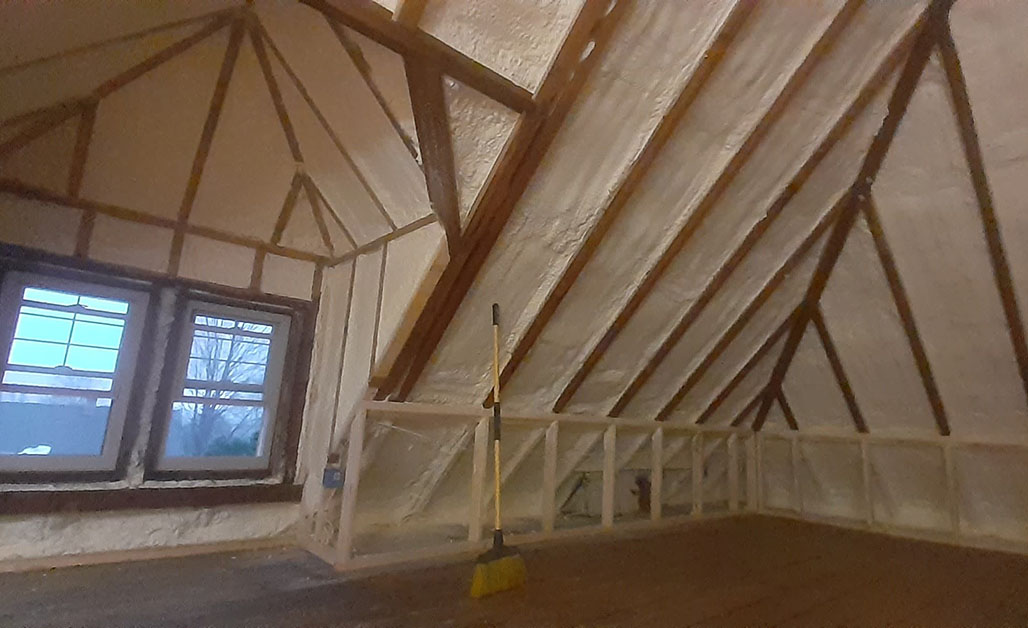
Ventilation Problems and Their Impact
Another critical error is blocking or neglecting attic ventilation. Proper airflow is necessary to prevent moisture buildup and maintain indoor air quality. When insulation covers soffit vents or blocks airflow paths, it can trap moisture, leading to condensation and eventual structural damage.
To avoid this, always ensure that vents remain unobstructed. Use baffles or vent chutes to keep insulation away from ventilation openings, allowing air to circulate freely.
Choosing the Wrong Insulation Material or R-Value
Selecting the right type and thickness of insulation is vital for optimal performance. A common roof insulation DIY mistake to avoid is using material with an insufficient R-value for your climate zone. The R-value measures resistance to heat flow—the higher the number, the better the insulation.
- Underestimating R-Value Needs: Using insulation that’s too thin or not rated for your region will result in heat loss and higher energy bills.
- Incompatible Materials: Not all insulation types are suitable for every roof or attic. For example, some materials are prone to moisture absorption, which can be problematic in humid climates.
Check local building codes and recommendations to ensure you’re using the right product for your area.
Poor Installation Techniques
Even with the right materials, improper installation can drastically reduce effectiveness. Some of the most damaging errors include:
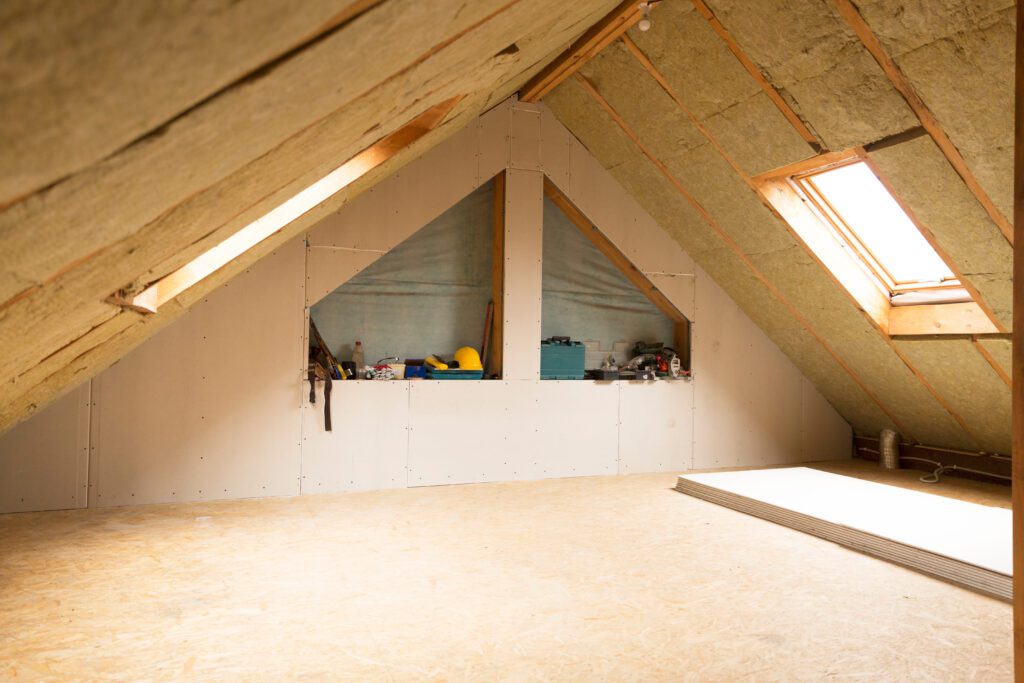
- Leaving Gaps and Voids: Insulation must be installed snugly, without gaps, compressions, or spaces. Any missed spots allow heat to escape, reducing efficiency.
- Compressing Insulation: Pushing insulation into tight spaces or under obstructions reduces its thickness and R-value, making it less effective.
- Incorrect Placement: Batts and rolls should be laid perpendicular to joists and should not be stuffed into corners or around obstacles.
Neglecting Safety and Building Codes
DIYers sometimes overlook safety guidelines and local regulations. This can lead to hazardous conditions and may even void home insurance policies.
- Fire Hazards: Insulation must be kept away from recessed lighting fixtures, chimneys, and other heat sources. Use barriers or covers where required.
- Ignoring Code Requirements: Building codes dictate minimum insulation levels and installation practices. Failing to comply can result in costly corrections or failed inspections.
For those interested in the future of roofing and energy efficiency, it’s worth reading about solar roofing future trends to see how insulation and solar technology are converging.
Forgetting About Long-Term Maintenance
Insulation isn’t a set-and-forget solution. Over time, it can settle, become compacted, or be disturbed by pests. Regular inspections help ensure continued performance.
- Ignoring Signs of Damage: Look for evidence of moisture, mold, or animal activity, and address issues promptly.
- Failing to Top Up: In older homes, insulation may have settled or degraded. Adding new material can restore effectiveness.
Tips for Successful DIY Roof Insulation
To maximize energy savings and comfort, keep these best practices in mind:
- Seal all air leaks before installing insulation.
- Choose the right insulation type and R-value for your climate.
- Install insulation evenly and avoid compressing the material.
- Maintain clear ventilation paths to prevent moisture problems.
- Follow all safety guidelines and local building codes.
- Inspect insulation periodically and address any issues promptly.
For those considering advanced solutions, learning about the latest solar roofing technology can provide insights into how modern roofs are integrating insulation and renewable energy.
FAQ
What are the most common roof insulation DIY mistakes to avoid?
The most frequent errors include failing to seal air leaks, using the wrong insulation material or R-value, compressing insulation, blocking attic ventilation, and ignoring safety or building codes. Each of these can significantly reduce the effectiveness of your insulation and may lead to higher energy bills or property damage.
How does poor insulation installation affect energy efficiency?
Improperly installed insulation allows heat to escape in winter and enter in summer, forcing your HVAC system to work harder. This not only increases energy costs but also reduces indoor comfort and can contribute to moisture problems in the attic.
Can I fix insulation mistakes after installation?
Yes, many insulation errors can be corrected. You can add more insulation to areas with gaps or low coverage, reseal air leaks, and ensure ventilation is unobstructed. Regular inspections are key to identifying and addressing these issues early.
For a comprehensive approach to energy-efficient roofing, consider reviewing solar roofing site assessment resources to understand how insulation and solar solutions can work together for maximum benefit.