Improving your home’s energy efficiency is one of the most impactful steps you can take toward a more sustainable lifestyle. Among the various upgrades available, attic insulation and sustainability improvements stand out for their ability to reduce energy waste, lower utility bills, and create a more comfortable living environment. Whether you live in a region with harsh winters or hot summers, the condition of your attic insulation directly affects your home’s overall performance and environmental footprint.
Many homeowners overlook the attic as a source of energy loss, but inadequate insulation can lead to significant heat transfer, causing your heating and cooling systems to work overtime. By focusing on this critical area, you not only save money but also contribute to broader sustainability goals by reducing your home’s carbon emissions.
For those considering broader home upgrades, understanding the roof upgrade cost can help you plan a comprehensive approach to energy efficiency and sustainability.
Why Attic Insulation Matters for a Greener Home
Properly insulating your attic is one of the most effective ways to improve your home’s sustainability profile. The attic is often the primary area where heat escapes in the winter and enters in the summer. Without sufficient insulation, your HVAC system must work harder to maintain comfortable temperatures, leading to increased energy consumption and higher utility bills.
By upgrading attic insulation, you:
- Reduce energy waste by minimizing heat transfer between your living space and the outdoors.
- Lower your home’s carbon footprint by using less energy for heating and cooling.
- Enhance indoor comfort by maintaining more consistent temperatures year-round.
- Potentially increase your home’s resale value by making it more energy efficient.
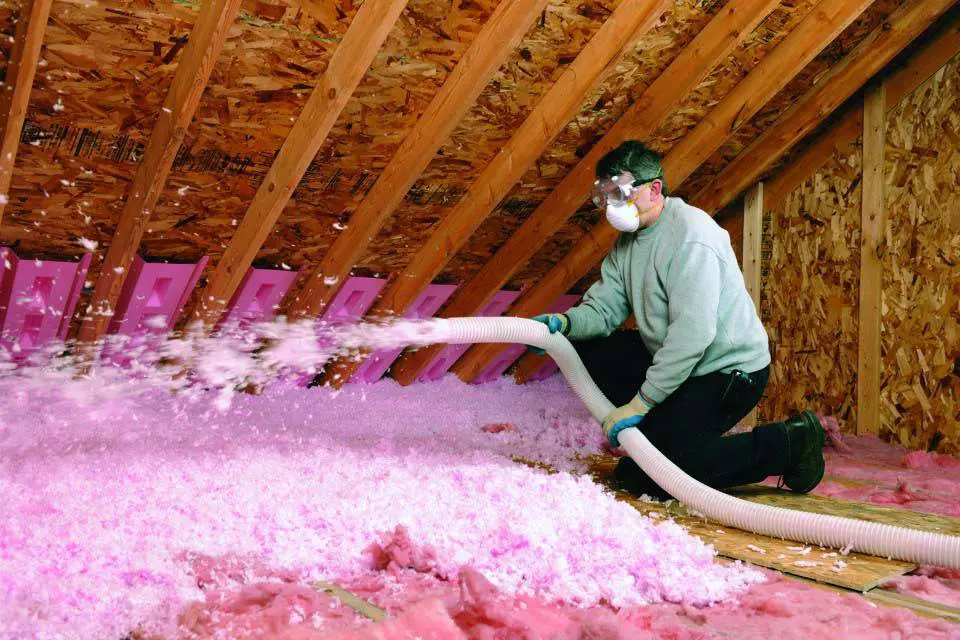
Types of Insulation for Sustainable Attics
Choosing the right insulation material is crucial for maximizing the sustainability benefits of your attic. Here are some of the most common options:
- Fiberglass batts: Widely used and cost-effective, fiberglass batts are easy to install and offer good thermal performance. They are often made from recycled glass, which adds to their eco-friendly appeal.
- Blown-in cellulose: Made from recycled paper products, cellulose insulation is treated for fire resistance and provides excellent coverage, especially in hard-to-reach spaces. Its high recycled content makes it a popular choice for those prioritizing sustainability.
- Spray foam: This option creates an air-tight seal and offers superior insulation values. While it is more expensive and uses chemical components, it can significantly reduce energy loss when properly installed.
- Mineral wool: Made from natural or recycled stone and slag, mineral wool is fire-resistant and offers good soundproofing in addition to thermal insulation.
When selecting insulation, consider factors like R-value (thermal resistance), environmental impact, cost, and the specific needs of your home. Consulting with a professional can help you determine the best fit for your sustainability goals.
How Attic Insulation Supports Energy Efficiency
One of the primary reasons homeowners invest in attic insulation is to boost energy efficiency. A well-insulated attic acts as a barrier, preventing unwanted heat flow between your living space and the outdoors. This means your heating and cooling systems don’t have to work as hard, resulting in lower energy consumption and reduced greenhouse gas emissions.
Here are some measurable ways attic insulation contributes to energy savings:
- Reduces heating and cooling costs by up to 15% according to the U.S. Department of Energy.
- Helps maintain even indoor temperatures, reducing the need for frequent thermostat adjustments.
- Decreases wear and tear on HVAC equipment, potentially extending its lifespan.
For homeowners planning a full roof replacement, reviewing the asphalt roof replacement guide can help ensure insulation upgrades are coordinated with other energy-saving improvements.

Environmental Impact and Long-Term Benefits
Investing in attic insulation is not only about immediate savings—it’s also a step toward a more sustainable future. By reducing your home’s energy demand, you help decrease reliance on fossil fuels and lower overall greenhouse gas emissions. This collective impact is significant, especially as more homeowners make similar upgrades.
Additionally, many insulation materials are now produced with recycled content or renewable resources, further reducing their environmental footprint. Some products are designed to last for decades, minimizing the need for replacement and reducing waste over time.
Proper attic insulation also helps prevent issues like ice dams and moisture buildup, which can cause structural damage and lead to costly repairs. By maintaining a dry, stable attic environment, you protect your home and its value for years to come.
Signs Your Attic Needs an Upgrade
Recognizing when your attic insulation is no longer effective is key to maintaining a sustainable home. Common indicators include:
- Uneven temperatures between rooms or floors.
- High energy bills despite moderate weather.
- Drafts or cold spots, especially near the ceiling.
- Visible gaps, thinning, or settling of insulation material.
- Ice dams forming along the roof edge in winter.
If you notice any of these signs, it may be time to assess your attic and consider an insulation upgrade. Addressing these issues promptly can prevent further energy loss and improve your home’s overall sustainability.
Integrating Attic Insulation with Other Home Improvements
While upgrading attic insulation is a major step toward sustainability, it’s most effective when combined with other energy-saving measures. Sealing air leaks, upgrading windows, and maintaining your roof all contribute to a more efficient home envelope.
For example, if you’re planning to replace your roof, it’s wise to coordinate insulation improvements at the same time. This integrated approach ensures that your home remains protected from the elements and operates at peak efficiency. Homeowners can also benefit from reviewing resources on replacing old asphalt roof to understand how insulation and roofing upgrades work together.
Additionally, avoiding common roofing mistakes to avoid during insulation or roof projects can help you maximize the return on your investment and prevent future problems.
Frequently Asked Questions
How much can attic insulation reduce my energy bills?
Upgrading your attic insulation can lower heating and cooling costs by up to 15%, depending on your home’s current insulation levels and local climate. The exact savings will vary, but most homeowners notice a significant reduction in their monthly utility bills after improving attic insulation.
What is the best type of insulation for sustainability?
Materials with high recycled content, such as blown-in cellulose or fiberglass batts made from recycled glass, are excellent choices for those prioritizing sustainability. The best option depends on your attic’s structure, climate, and budget. Consulting a professional can help you select the most effective and eco-friendly material.
How do I know if my attic insulation needs to be replaced?
Signs that your attic insulation may need an upgrade include uneven temperatures, high energy bills, visible gaps or thinning insulation, and the presence of drafts. If your insulation is more than 15–20 years old, it’s a good idea to have it inspected by a professional to determine if replacement is necessary.
Can attic insulation help prevent roof problems?
Yes, proper attic insulation can help prevent issues like ice dams and moisture buildup, which can lead to roof damage. By maintaining consistent attic temperatures and reducing condensation, insulation protects both your roof and your home’s structure.
Is attic insulation a good investment for home resale value?
Energy-efficient upgrades, including attic insulation, are attractive to potential buyers and can increase your home’s resale value. Many buyers look for homes with lower utility costs and sustainable features, making insulation a worthwhile investment.
Conclusion
Enhancing your attic insulation is a practical and effective way to support home sustainability. By reducing energy loss, lowering utility bills, and contributing to a healthier environment, this upgrade offers both immediate and long-term benefits. Whether you’re planning a full roof replacement or simply looking to make your home more efficient, focusing on attic insulation is a smart step toward a greener future.