Living off the grid or in a distant area comes with unique challenges, especially when it comes to reliable electricity. Solar roofing for remote homes offers a practical, sustainable solution for homeowners seeking independence from traditional power sources. With advancements in solar technology, it’s now more accessible than ever to harness the sun’s energy directly from your rooftop, ensuring consistent power even in isolated locations.
This article explores the essentials of solar roofing for properties far from urban centers. You’ll learn about the types of systems available, key considerations for installation, and how to maximize both efficiency and long-term savings. For those considering a broader roof upgrade, understanding the roof upgrade cost can help you plan your investment wisely.
Why Choose Solar Roofing for Off-Grid Living?
Remote properties often lack access to public utilities, making energy independence a necessity rather than a luxury. Solar roofing for remote homes provides a dependable power source that reduces reliance on costly diesel generators or frequent fuel deliveries. The main advantages include:
- Energy independence: Generate your own electricity, reducing vulnerability to outages and supply disruptions.
- Lower long-term costs: After the initial investment, solar systems require minimal ongoing expenses compared to traditional power sources.
- Environmental benefits: Solar energy is clean, renewable, and reduces your carbon footprint.
- Minimal maintenance: Modern solar roofing systems are designed for durability and require little upkeep.
For homeowners planning a full roof replacement, reviewing resources like the asphalt roof replacement guide can help coordinate solar integration with other roofing projects.
Types of Solar Roofing Solutions for Remote Properties
There are several ways to incorporate solar power into your roof. The most common options include:
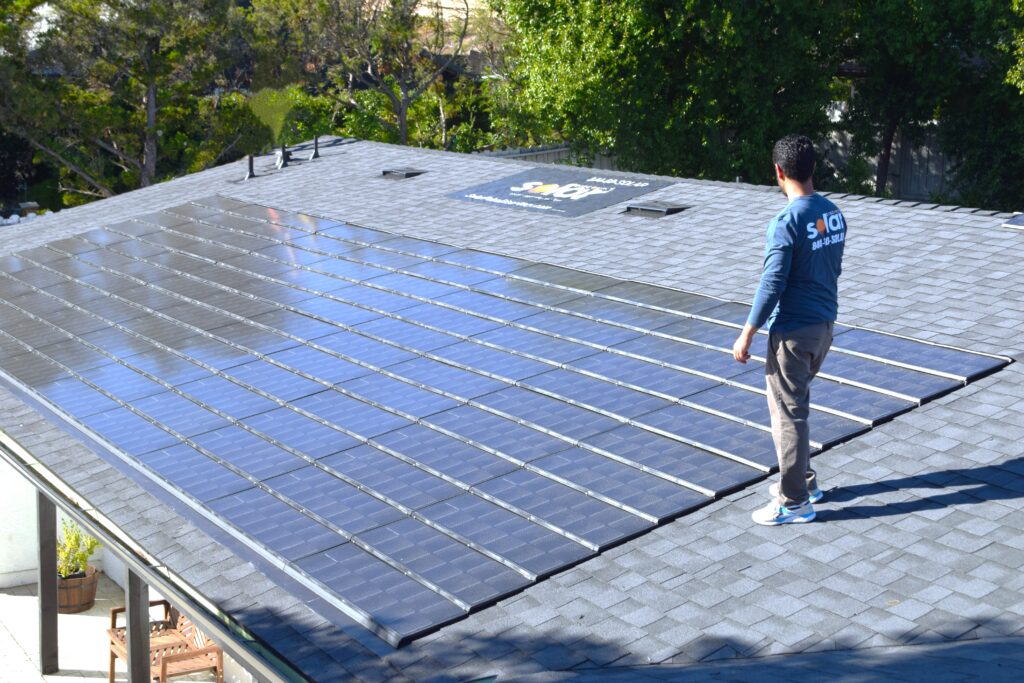
- Solar panels: Traditional photovoltaic (PV) modules mounted on top of an existing roof. These are widely available and offer high efficiency.
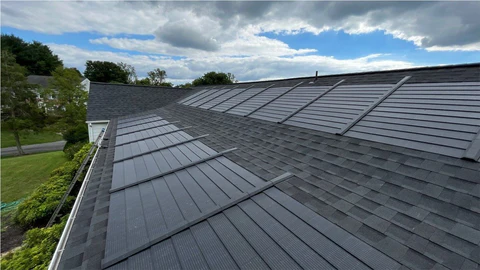
- Solar shingles or tiles: Roofing materials that double as solar collectors, blending seamlessly with your roof’s appearance.
- Integrated solar roofing systems: Custom solutions where the roof itself is designed as a solar generator, often used in new builds or major renovations.
Each option has its advantages. Solar panels are typically the most cost-effective, while solar shingles offer a more discreet look. Integrated systems provide the best aesthetics and weatherproofing but may require a higher upfront investment.
Key Considerations Before Installing Solar Roofing
Before committing to a solar solution, evaluate the following factors to ensure optimal performance and return on investment:
- Sunlight exposure: Remote homes often have fewer obstructions, but check for trees, hills, or structures that might cast shade on your roof.
- Roof orientation and pitch: South-facing roofs with a moderate slope typically yield the best results in the northern hemisphere.
- Roof condition: Ensure your roof is in good shape before installation. If it’s nearing the end of its lifespan, consider replacing it first to avoid future disruptions.
- System size and energy needs: Calculate your average daily energy consumption to determine the number of panels or shingles required.
- Battery storage: Off-grid systems need batteries to store excess energy for nighttime or cloudy days. Choose high-quality batteries for reliability.
- Weather resistance: Select products rated for your region’s climate, including wind, snow, and hail resistance.
For those unsure about their roof’s readiness, reviewing common roofing mistakes to avoid can help prevent costly errors during the upgrade process.
Installation Process and What to Expect
Setting up solar roofing for a remote home involves several steps:
- Site assessment: A professional evaluates your property’s solar potential and roof condition.
- System design: The installer customizes a solution based on your energy needs, roof layout, and budget.
- Permitting and approvals: Depending on your location, you may need permits or inspections, even for off-grid installations.
- Installation: The team mounts panels or shingles, connects wiring, and integrates battery storage.
- Testing and commissioning: The system is tested to ensure safe, efficient operation before you go live.
Remote locations may require installers with experience in off-grid systems and logistics. Ask for references and confirm that all components meet local codes and standards.
Maintenance and Longevity of Solar Roofs
One of the biggest advantages of solar roofing for off-grid homes is the low maintenance requirement. However, a few routine tasks can help ensure your system operates at peak efficiency:
- Regular cleaning: Dust, pollen, and debris can reduce output. Use a soft brush or a specialized roof cleaning tool to gently remove buildup.
- Visual inspections: Check for damage after severe weather, such as cracked panels or loose wiring.
- Battery care: Monitor battery health and replace units as needed, following manufacturer recommendations.
- Professional checkups: Schedule periodic inspections by a qualified technician to catch issues early.
Modern solar roofs are built to last 25 years or more. Choosing quality materials and certified installers is key to maximizing your investment. If you notice signs of deterioration, such as leaks or sagging, consult resources on asphalt roof failure signs to determine if repairs are needed.
Costs, Incentives, and Long-Term Savings
The initial price of installing solar roofing for remote homes can be significant, but the long-term benefits often outweigh the upfront costs. Factors affecting the total investment include:
- System size and type (panels vs. shingles vs. integrated systems)
- Battery storage capacity
- Installation complexity and site accessibility
- Local labor rates
While off-grid systems may not qualify for utility rebates, you may still be eligible for federal or regional tax credits. Over time, the savings on fuel, generator maintenance, and utility bills add up. For a detailed comparison of solar roof tiles and their benefits, see this overview of solar roof tile advantages.
Choosing the Right Solar Roofing Partner
Finding a reputable installer is crucial, especially for remote projects. Look for companies with proven experience in off-grid solar, positive customer reviews, and a portfolio of completed installations in similar environments. Ask about warranty coverage, after-sales support, and the availability of replacement parts.
It’s also wise to compare multiple quotes and request detailed breakdowns of costs, timelines, and expected performance. A reliable partner will help you navigate permitting, product selection, and long-term maintenance.
Frequently Asked Questions
How much sunlight do I need for a solar roof to work efficiently?
Most systems require at least 4-6 hours of direct sunlight per day for optimal performance. If your property receives less, you may need a larger array or supplemental power sources.
Can I install solar roofing on an older roof?
It’s possible, but not always recommended. If your roof is nearing the end of its lifespan, consider replacing it before installing solar to avoid the need for future removal and reinstallation.
What maintenance is required for solar roofing in remote locations?
Maintenance is minimal but important. Regularly clean the panels or shingles, inspect for damage, and monitor battery health. Professional inspections every few years can help catch issues early and extend system life.
Are solar shingles as effective as traditional panels?
Solar shingles are generally less efficient than standard panels but offer better aesthetics and integration. The best choice depends on your priorities and roof design.
Investing in solar roofing for a remote property is a forward-thinking decision that delivers energy security, environmental benefits, and long-term savings. With careful planning and the right partners, you can enjoy reliable, off-grid power for decades to come.