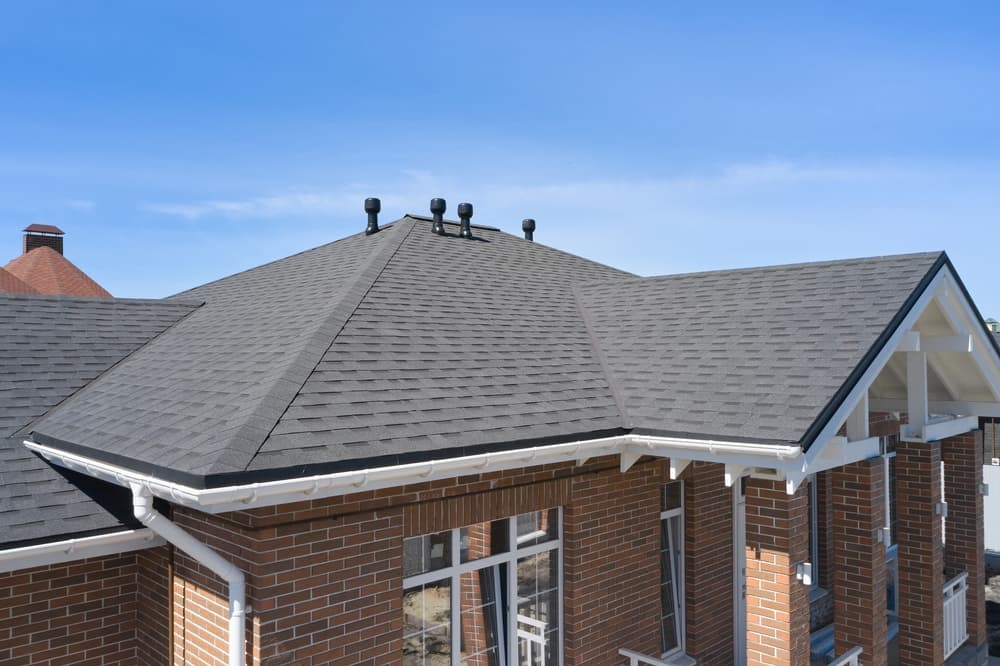
The asphalt shingle roofing system is one of the most widely used solutions for residential homes in North America. Its popularity comes from its affordability, durability, and ease of installation. But what really goes into making your roof a reliable shield against the elements? Understanding the structure and function of each component helps homeowners make informed decisions about maintenance, repairs, and upgrades.
Whether you’re planning a new installation, considering an upgrade, or simply want to extend the life of your current roof, knowing how each layer and feature works together is essential. If you’re budgeting for improvements, it may help to review the roof upgrade cost to understand the investment required for high-performance shingles and related enhancements.
Key Components of an Asphalt Shingle Roof
Every asphalt shingle roofing system is made up of several layers and parts, each playing a specific role in protecting your home. Here’s a breakdown of the main elements:
- Decking: The base layer, usually made of plywood or oriented strand board (OSB), provides the structural foundation for the entire roof.
- Underlayment: A water-resistant or waterproof barrier installed directly on the decking. It acts as a secondary shield against moisture and wind-driven rain.
- Starter Strips: These are the first row of shingles placed at the eaves and rakes, designed to provide extra protection against wind uplift and water infiltration.
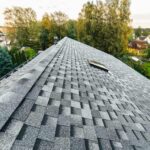
- Asphalt Shingles: The visible, outermost layer that provides the primary defense against weather. Shingles come in various types, such as three-tab, architectural, and premium styles.
- Flashing: Thin metal strips installed around roof penetrations (chimneys, vents, skylights) and valleys to direct water away from vulnerable areas.
- Ridge Caps: Special shingles installed along the roof’s peak to protect the ridge and provide a finished look.
- Ventilation: Intake and exhaust vents that regulate attic temperature and moisture, preventing heat buildup and condensation.
Each of these components must work together seamlessly to ensure your roof remains watertight and resilient over time. For a step-by-step approach to replacing your roof, check out the asphalt roof replacement guide for practical planning tips.
Types of Asphalt Shingles and Their Benefits
Not all shingles are created equal. The type you choose can affect your roof’s appearance, performance, and lifespan. Here are the most common varieties:
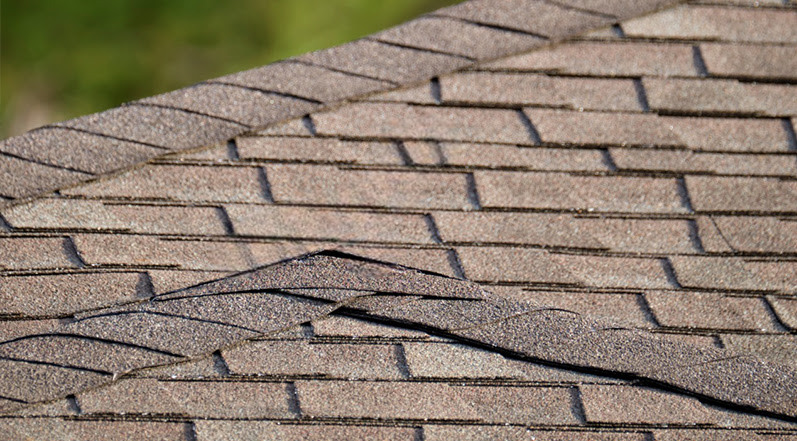
- Three-Tab Shingles: Lightweight, flat, and economical, these are the most basic option. They offer a uniform look and are easy to install, but typically have a shorter lifespan (15–20 years).
- Architectural Shingles: Also known as dimensional or laminate shingles, these are thicker and have a layered appearance. They provide better durability, wind resistance, and aesthetic appeal, often lasting 25–30 years or more.
- Premium Shingles: Designed to mimic the look of slate or wood shake, these high-end options offer enhanced durability and curb appeal but come at a higher price point.
Choosing the right shingle type depends on your budget, climate, and desired look. For those considering a full replacement, learning about replacing old asphalt roof can help you weigh the pros and cons of each option.
How the Roofing System Protects Your Home
The main job of your roof is to keep water out. But a well-designed asphalt shingle roofing system does much more than that. Here’s how the different layers and features work together to protect your home:
- Weather Resistance: The combination of underlayment, shingles, and flashing creates multiple barriers against rain, snow, and wind.
- Ventilation: Proper airflow prevents heat buildup in summer and moisture accumulation in winter, reducing the risk of mold, rot, and ice dams.
- Insulation: While not a direct part of the shingle system, the roof assembly helps regulate indoor temperatures, improving energy efficiency.
- Fire Protection: Asphalt shingles are typically rated for fire resistance, adding an extra layer of safety for your home.
To keep your roof performing at its best, regular inspections and timely repairs are crucial. Ignoring small issues can lead to bigger problems, such as leaks or structural damage. If you notice warning signs, such as missing shingles or granule loss, review the asphalt roof failure signs to know when to call a professional.
Installation and Maintenance: What Homeowners Should Know
Proper installation is key to maximizing the lifespan of your roof. Here are some important steps and tips:
- Preparation: Remove old roofing materials and inspect the decking for damage before installing new layers.
- Underlayment and Flashing: Install a high-quality underlayment and ensure all flashing is properly sealed around penetrations.
- Shingle Application: Follow manufacturer guidelines for nailing patterns, overlap, and alignment to prevent wind and water intrusion.
- Ventilation: Make sure intake and exhaust vents are unobstructed and sufficient for your attic size.
- Regular Maintenance: Clean gutters, remove debris, and check for damaged shingles after storms. Promptly address any issues to avoid costly repairs.
Common mistakes during installation or repairs can shorten your roof’s life. For a list of pitfalls to avoid, see the guide on roofing mistakes to avoid during your next shingle project.
Extending the Life of Your Asphalt Shingle Roof
With proper care, a shingle-based roofing system can last decades. Here are proven strategies to get the most out of your investment:
- Schedule Annual Inspections: Have a professional check your roof each year, especially after severe weather.
- Keep It Clean: Remove leaves, branches, and moss that can trap moisture and cause deterioration.
- Seal Vulnerable Areas: Use quality sealants on flashing and exposed fasteners to prevent leaks.
- Repair Damage Promptly: Replace missing or cracked shingles as soon as possible to avoid water infiltration.
- Maintain Ventilation: Ensure attic vents remain clear to prevent heat and moisture buildup.

For more in-depth information about how these systems work, the simple guide to understanding your asphalt shingle roofing system from the Asphalt Roofing Manufacturers Association is a valuable resource.
FAQ: Asphalt Shingle Roofs Explained
How long does a typical asphalt shingle roof last?
The average lifespan ranges from 15 to 30 years, depending on the shingle type, installation quality, and local climate. Architectural and premium shingles tend to last longer than basic three-tab options.
What maintenance is required for an asphalt shingle roof?
Regular tasks include cleaning gutters, removing debris, inspecting for damaged or missing shingles, and checking flashing and sealant. Annual professional inspections are recommended to catch issues early.
Can I install new shingles over old ones?
While it’s sometimes possible to layer new shingles over an existing roof, a full tear-off is usually best for long-term performance. This allows for inspection and repair of the decking and ensures proper installation of underlayment and flashing.
What are signs my roof needs to be replaced?
Look for curling, cracked, or missing shingles, granule loss, leaks, or visible sagging. For a detailed list of warning signs, refer to resources on asphalt roof failure signs.
How do I choose the right shingle type for my home?
Consider your budget, desired appearance, and local weather conditions. Architectural shingles offer a good balance of durability and style, while premium options provide enhanced aesthetics and longevity.