Understanding how attic insulation works with ventilation is essential for anyone looking to improve energy efficiency, comfort, and the lifespan of their roof. Attics are a critical part of a home’s thermal envelope, and the relationship between insulation and airflow directly impacts heating and cooling costs, indoor air quality, and even the durability of roofing materials. By learning how these two systems interact, homeowners can make informed decisions about upgrades and maintenance that pay off in both comfort and savings.
Many people focus on adding insulation to keep their homes warmer in winter and cooler in summer, but without proper ventilation, insulation alone can lead to moisture buildup, mold growth, and even premature roof damage. Balancing these two elements ensures that your attic remains dry, your insulation performs optimally, and your home stays protected year-round.
Before diving into the technical details, it’s worth noting that attic upgrades often go hand-in-hand with other roofing improvements. For example, if you’re considering a new roof, understanding the roof upgrade cost can help you budget for both insulation and ventilation enhancements at the same time, maximizing your investment and long-term benefits.
The Role of Insulation in Attic Performance
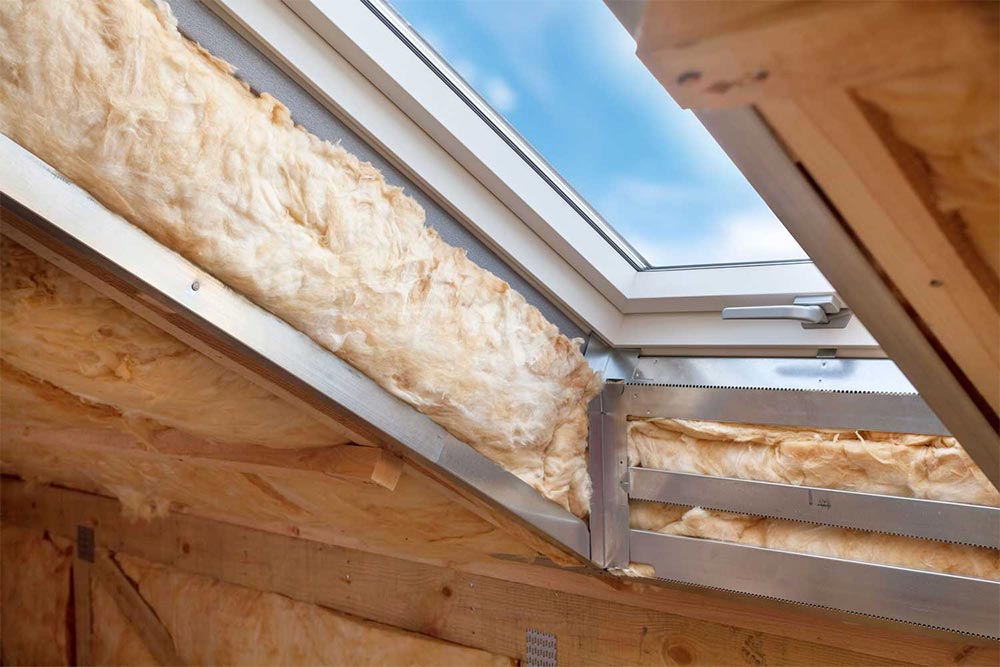
Insulation acts as a barrier to heat flow, helping to maintain a consistent indoor temperature regardless of the weather outside. In the attic, this typically means using materials like fiberglass batts, blown-in cellulose, or spray foam to slow down the transfer of heat between your living space and the roof. The effectiveness of insulation is measured by its R-value—the higher the R-value, the better it resists heat flow.
Properly installed insulation keeps warm air inside during winter and blocks heat from entering during summer. However, insulation alone can’t address all the challenges attics face, especially when it comes to moisture control and air circulation. That’s where a well-designed ventilation system becomes crucial.
Why Ventilation Matters in Insulated Attics
Ventilation is the process of moving air in and out of the attic space. This airflow serves several purposes:
- Removing excess heat in summer, which can otherwise bake roofing materials and increase cooling costs
- Allowing moisture to escape, preventing condensation that can damage insulation and wood structures
- Reducing the risk of ice dams in winter by keeping the roof surface cold
Without adequate ventilation, even the best insulation can become saturated with moisture, lose its effectiveness, and contribute to mold or rot. The key is to balance insulation and ventilation so that your attic stays both energy efficient and dry.
How Attic Insulation and Ventilation Work Together
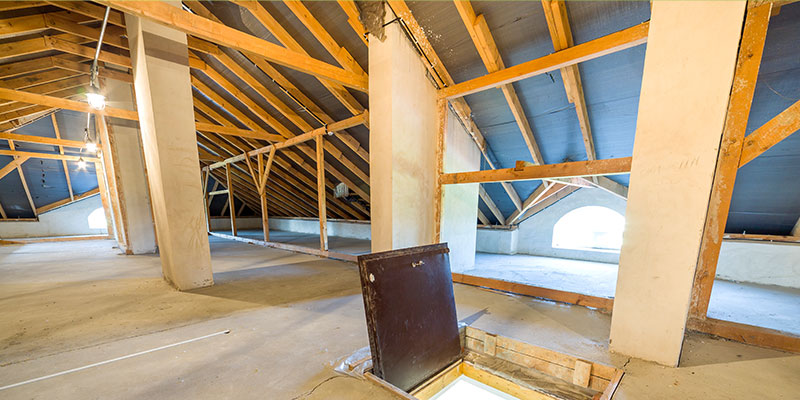
The interaction between insulation and ventilation in attics is a delicate balance. Insulation slows down the movement of heat, while ventilation ensures that any trapped heat or moisture can escape. When both systems are properly designed and installed, they complement each other to create a healthy, efficient attic environment.
Here’s how the process typically works:
- Air intake vents (usually located in soffits or eaves) allow fresh air to enter the attic.
- Exhaust vents (such as ridge, gable, or roof vents) let warm, moist air escape.
- Insulation is installed on the attic floor or roof deck, creating a thermal barrier between the living space and the attic.
- Baffles or vent chutes are used to keep insulation from blocking airflow at the eaves, ensuring that air can move freely from intake to exhaust vents.
This setup allows for continuous airflow above the insulation, carrying away heat and moisture while the insulation itself keeps conditioned air inside the home. The result is improved energy efficiency, reduced risk of mold, and longer-lasting roofing materials.
Common Types of Insulation and Their Impact on Ventilation
Different insulation materials interact with ventilation systems in unique ways. Here’s a quick overview:
- Fiberglass batts: Easy to install and compatible with most ventilation setups, but care must be taken to avoid blocking soffit vents.
- Blown-in cellulose: Provides good coverage, but can shift over time and potentially obstruct airflow if not properly contained.
- Spray foam: Offers excellent air sealing, but may require a different ventilation strategy, especially if used to create an unvented (conditioned) attic.
Regardless of the material, it’s important to maintain clear air pathways from intake to exhaust vents. Installing baffles at the eaves is a simple but effective way to prevent insulation from blocking airflow.

Signs of Poor Balance Between Insulation and Ventilation
When insulation and ventilation aren’t working together, several warning signs may appear:
- Excessive heat in upper rooms during summer
- Ice dams forming along the roof edge in winter
- Mold or mildew odors in the attic or upper floors
- Visible moisture or frost on rafters and insulation
- Premature shingle deterioration or roof leaks
If you notice any of these issues, it may be time to inspect your attic and consider adjustments. For those planning a major roofing project, resources like the asphalt roof replacement guide can help you coordinate insulation and ventilation upgrades with other improvements.
Best Practices for Integrating Insulation and Ventilation
To maximize the benefits of both systems, follow these guidelines:
- Ensure soffit and ridge vents are clear and unobstructed
- Install baffles or vent chutes to maintain airflow paths above insulation
- Use the recommended R-value for your climate zone
- Seal air leaks before adding insulation to prevent warm, moist air from entering the attic
- Inspect your attic regularly for signs of moisture, mold, or blocked vents
Coordinating insulation and ventilation improvements during a roof replacement or major renovation is often the most cost-effective approach. This ensures all components work together seamlessly, reducing the risk of future problems and maximizing the return on your investment.
FAQ: Attic Insulation and Ventilation
How do I know if my attic has enough ventilation?
Look for intake vents (usually in the soffits) and exhaust vents (at the ridge or gables). A general rule is to have at least 1 square foot of ventilation for every 300 square feet of attic floor space, split evenly between intake and exhaust. Signs of poor ventilation include excessive attic heat, moisture, or mold.
Can I add more insulation without changing my ventilation?
It depends on your current setup. Adding insulation can sometimes block airflow if baffles or vent chutes aren’t installed. Always check that vents remain clear and that air can move freely from intake to exhaust before adding more insulation.
What happens if insulation blocks my soffit vents?
If insulation covers soffit vents, it restricts airflow, leading to moisture buildup, reduced energy efficiency, and potential roof damage. Installing baffles or vent chutes before adding insulation helps maintain proper airflow and prevents these issues.
Conclusion
Achieving the right balance between attic insulation and ventilation is key to a comfortable, efficient, and long-lasting home. By understanding how these systems interact, homeowners can avoid common pitfalls and enjoy the full benefits of their investment. Whether you’re planning a new roof, upgrading insulation, or simply maintaining your attic, always consider both airflow and thermal protection for the best results.