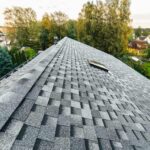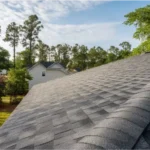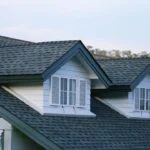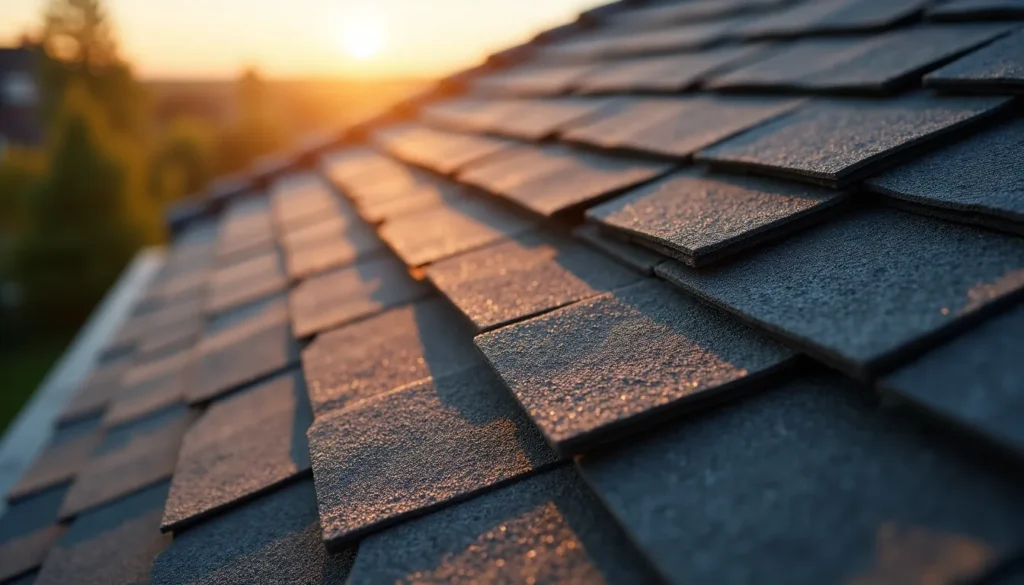
Choosing the right roofing material is essential for homeowners who want to safeguard their property from harsh weather. Weather resistance shingles are designed to withstand rain, wind, hail, and extreme temperatures, making them a popular option for those seeking long-term protection and value. This article explores the features, benefits, and considerations of these advanced roofing products, helping you make an informed decision for your next roof upgrade or replacement.
Understanding how different shingles perform under various weather conditions can help you avoid costly repairs and extend the lifespan of your roof. For a deeper dive into what influences shingle longevity, you may find the insights in roof durability factors particularly useful.
What Sets Weather-Resistant Shingles Apart?
Not all roofing shingles are created equal. While traditional asphalt shingles offer basic protection, those engineered for weather resistance provide enhanced durability and performance in challenging climates. These products are manufactured with advanced materials and coatings that help them resist water infiltration, wind uplift, and UV degradation.
- Waterproofing: Special sealants and multi-layer construction prevent leaks and water damage.
- Wind Resistance: Reinforced nailing zones and adhesive strips keep shingles secure during storms.
- UV Protection: Granules and reflective surfaces reduce sun damage and slow aging.
- Impact Resistance: Thicker, more flexible materials absorb hail and debris impact.
These features make weather-resistant options ideal for regions prone to heavy rainfall, high winds, or frequent temperature swings.
Types of Shingles Designed for Harsh Conditions
There are several categories of shingles that excel in extreme weather. Understanding their differences can help you select the best fit for your home:
- Architectural Asphalt Shingles: Thicker and more layered than basic 3-tab shingles, these offer improved wind and impact resistance.
- Fiberglass Shingles: Lightweight yet strong, fiberglass mats add structural integrity and resist moisture absorption.
- Rubber and Composite Shingles: Made from recycled materials, these are highly flexible and can withstand hail and wind-driven debris.
- Metal Shingles: While not traditional shingles, metal roofing panels and shingles are extremely durable against wind, fire, and precipitation.
Each type has its own strengths and price points, so it’s wise to compare options based on your local climate and budget.

Key Benefits of Upgrading to Advanced Shingles
Investing in weather resistance shingles brings several advantages beyond basic shelter. Homeowners can expect:
- Longer Lifespan: Enhanced materials and construction mean fewer replacements over the years.
- Lower Maintenance: Reduced risk of leaks and damage translates to fewer repairs and less hassle.
- Improved Energy Efficiency: Reflective coatings can help regulate attic temperatures, lowering cooling costs.
- Insurance Savings: Some insurers offer discounts for impact- or wind-rated roofing materials.
- Increased Home Value: A durable, attractive roof is a selling point for potential buyers.
For those looking to maximize the return on their roofing investment, these benefits make a compelling case for choosing high-performance products.
How to Choose the Right Weatherproof Shingle for Your Home
When selecting shingles designed to withstand the elements, consider these important factors:
- Local Climate: Match the product’s ratings to the most common weather threats in your area. For example, coastal homes need superior wind resistance, while those in hail-prone regions should prioritize impact ratings.
- Manufacturer Warranties: Look for extended warranties that cover wind, algae, and impact damage.
- Installation Quality: Even the best shingles can fail if not properly installed. Choose a reputable contractor with experience in weather-resistant roofing.
- Budget and Longevity: While premium shingles cost more upfront, their durability often results in lower lifetime expenses.
For more on protecting your roof from damage, see tips on prevent shingle damage and learn how proactive measures can extend your roof’s lifespan.
Installation and Maintenance Tips for Maximum Protection
Proper installation and regular upkeep are essential to get the most out of your investment in durable shingles. Here are some practical recommendations:
- Hire certified professionals who follow manufacturer guidelines for installation.
- Ensure adequate attic ventilation to prevent heat and moisture buildup under the roof deck.
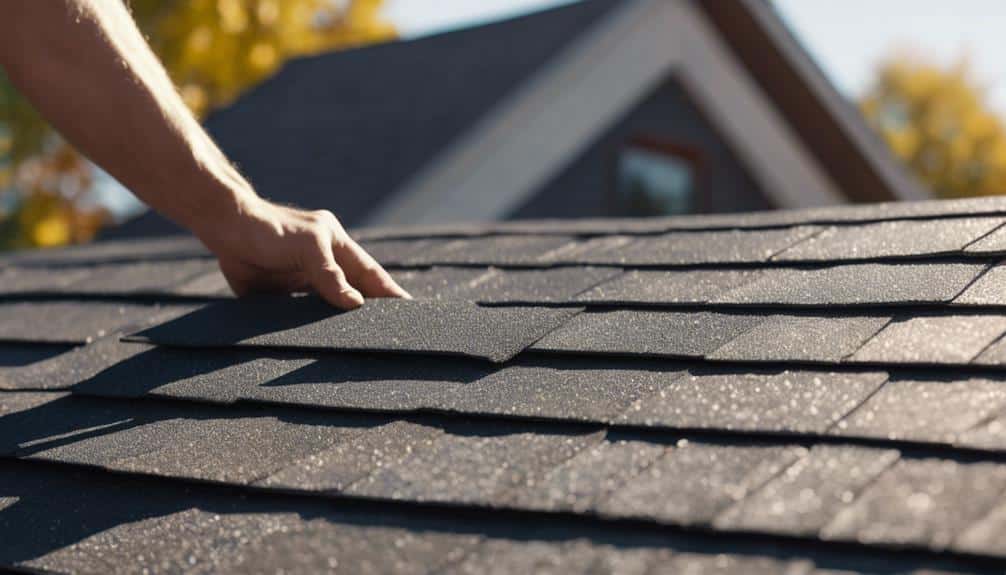
- Inspect your roof after severe storms for loose, cracked, or missing shingles.
- Keep gutters clean to avoid water backup and ice dams.
- Use high-quality sealants at flashing, valleys, and penetrations for extra leak protection.
If you encounter minor issues, learning how to repair asphalt shingles can help you address problems before they escalate. For more extensive fixes, professional asphalt shingle roof repair may be required.
Comparing Weather-Resistant Shingles to Standard Options
Many homeowners wonder if the extra investment in advanced shingles is justified. The answer often depends on your location, the age of your current roof, and your long-term plans for the home. Compared to standard 3-tab asphalt shingles, weather-resistant varieties:
- Last longer and require fewer repairs.
- Offer better protection against leaks and storm damage.
- May qualify for longer warranties and insurance discounts.
- Enhance curb appeal and resale value.
For a detailed breakdown of asphalt shingle types and their advantages, see this comprehensive guide to asphalt shingle roofing.
Adopting simple habits for extending roof lifespan can further boost the value of your investment in high-performance roofing materials.
Frequently Asked Questions
What makes a shingle truly weather-resistant?
Shingles designed for weather resistance use advanced materials, reinforced layers, and specialized coatings to protect against water, wind, UV rays, and impact. Their construction and testing standards are higher than those of standard shingles, providing greater durability and longer service life.
How long do weather-resistant shingles typically last?
Depending on the material and installation quality, these shingles can last 25–50 years or more. Factors such as climate, roof slope, and maintenance practices also influence their lifespan.
Are these shingles worth the extra cost?
For homeowners in areas with frequent storms, hail, or extreme temperatures, the added protection and reduced maintenance can offset the higher initial investment. They also offer peace of mind and may increase your property’s value.
Can I install weather-resistant shingles myself?
While some experienced DIYers may attempt installation, professional installation is strongly recommended to ensure proper sealing, alignment, and warranty coverage. Mistakes can compromise the roof’s performance and durability.