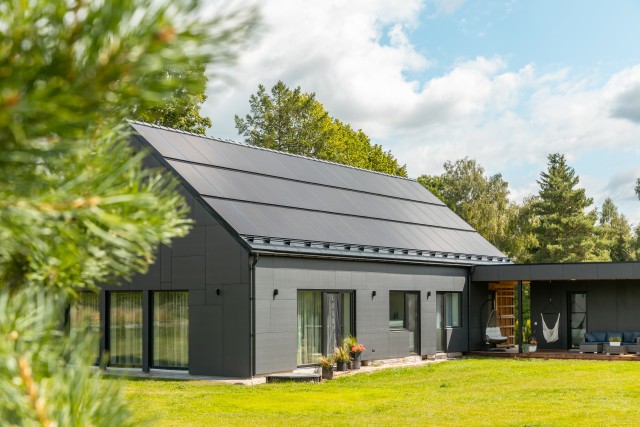
Understanding how shade affects solar roofing is essential for anyone considering solar tiles or panels for their home. Even small amounts of shading can significantly reduce the energy output of a solar roof, impacting both performance and return on investment. A thorough solar roofing shading analysis helps homeowners and installers identify potential obstacles, optimize panel placement, and maximize energy production.
This guide covers the basics of evaluating shade on rooftops, the tools and techniques used, and why a detailed assessment is crucial before installation. If you’re planning a solar project, or simply want to get the most from your existing system, learning about shading analysis will help you make informed decisions.
For those interested in system sizing and capacity, you may also find our solar roofing capacity calculation resource helpful as you plan your project.
Why Shade Matters for Solar Roofs
Shade is one of the most significant factors affecting the efficiency of rooftop solar installations. When parts of a solar array are shaded by trees, chimneys, nearby buildings, or even debris, the output of the entire system can drop. This is because most solar panels are wired in series, so shading a single panel can reduce the current for the whole string.
A comprehensive solar roofing shading analysis identifies these issues before installation, allowing for better system design and placement. This ensures that your investment delivers the highest possible energy yield over its lifetime.
What Is Involved in a Shading Assessment?
Evaluating shade on a roof involves more than just looking for obvious obstacles. Professionals use a combination of site surveys, digital tools, and sometimes drone imagery to map out how sunlight moves across the roof throughout the year. Key steps include:
- Identifying permanent obstructions such as chimneys, vents, and neighboring structures.
- Assessing the impact of nearby trees, which may grow and cast more shade over time.
- Measuring the angle and orientation of the roof to determine sun exposure during different seasons.
- Using specialized tools to simulate the sun’s path and predict shading patterns.
Tools and Techniques for Accurate Shading Analysis
Modern solar professionals rely on a mix of traditional and digital methods to analyze shade. Some of the most common tools and techniques include:
- Solar pathfinders: These are physical devices placed on the roof to show how much of the sky is visible from a given spot, helping to identify potential shading throughout the year.
- Software modeling: Digital tools can create 3D models of your property and simulate the sun’s movement, providing detailed shade reports and energy yield estimates.
- Drone surveys: Drones can capture aerial images and generate precise maps, making it easier to spot shading obstacles that might not be visible from the ground.
How Shading Impacts Solar Energy Output
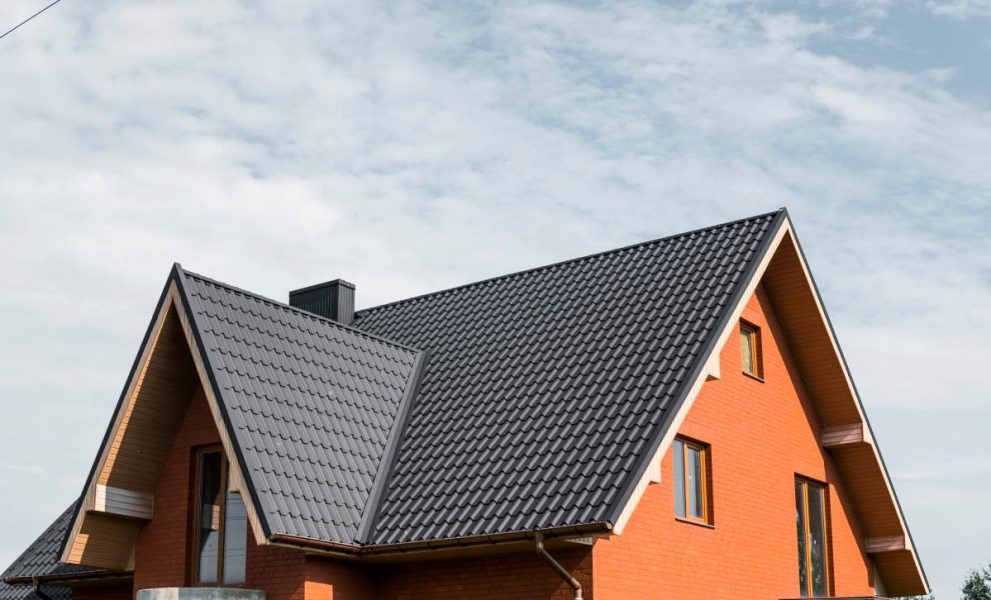
Even a small amount of shade can have a disproportionate effect on solar energy production. Because solar cells are connected in series within a panel, and panels are often connected in series within a string, shade on one cell or panel can reduce the current for the entire string. This is known as the “Christmas light effect.”
Some modern systems use microinverters or power optimizers to minimize these losses, but avoiding shade remains the best strategy. A detailed solar roofing shading analysis helps you identify the best locations for panels and decide if tree trimming or other modifications are necessary.
Best Practices for Minimizing Shade on Solar Roofs
To ensure optimal performance, consider these best practices:
- Trim or remove trees that cast significant shade on the roof, especially during peak sunlight hours.
- Install panels on the sunniest sections of the roof, typically the south-facing side in the northern hemisphere.
- Use microinverters or power optimizers to reduce the impact of partial shading on system output.
- Regularly clean panels to prevent dirt or debris from acting as a source of shade.
- Schedule periodic reviews, as nearby vegetation and structures may change over time.
Integrating Shading Analysis with Solar Roofing Design
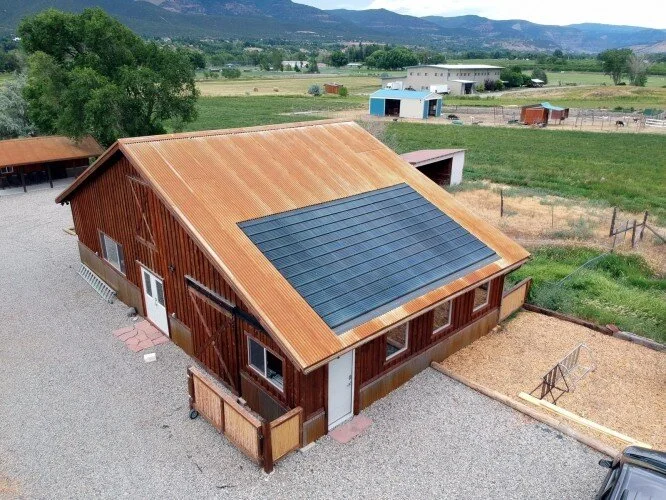
A thorough assessment of shading is a foundational step in designing any solar roof system. By combining shade data with other factors like roof size, orientation, and local climate, installers can recommend the best configuration for your needs. For more on system sizing, see our solar roofing system sizing guide.
In some cases, shading analysis may reveal that a different roof section or even a ground-mounted system would be more effective. It can also help you decide whether investing in technologies like microinverters is worthwhile.
Long-Term Benefits of Proper Shading Assessment
Investing time and resources in a detailed solar roofing shading analysis pays off over the life of your solar system. Benefits include:
- Higher energy production and improved return on investment.
- Fewer performance surprises due to seasonal or unexpected shading.
- Better system longevity, as panels are less likely to suffer from hot spots caused by uneven shading.
- Greater confidence in your solar investment.
For additional insights into the environmental impact of solar installations, you might be interested in our article on solar roofing sustainability benefits.
Additional Resources and Considerations
Before making a final decision, consider consulting with experienced professionals who use advanced tools for shading analysis. They can provide detailed reports and recommendations tailored to your property. You may also want to explore the advantages of installing solar roof tiles for a deeper understanding of the benefits and considerations involved.
If you’re curious about how many tiles you might need for your project, our guide on how many solar tiles do I need can help with planning and budgeting.
Frequently Asked Questions
How much shade is too much for a solar roof?
Ideally, solar panels should receive full sunlight for most of the day. Even partial shading for a few hours can reduce overall energy output significantly. If more than 10-15% of your roof is shaded during peak hours, it’s important to consult a professional for a detailed analysis and possible solutions.
Can technology compensate for shaded solar panels?
Technologies like microinverters and power optimizers can help reduce the impact of shading by allowing each panel to operate independently. However, avoiding shade altogether is still the best way to maximize system performance and longevity.
How often should I reassess shading on my solar roof?
It’s wise to review shading conditions every few years, especially if you notice changes in nearby vegetation or new construction in your area. Regular maintenance, such as trimming trees and cleaning panels, also helps maintain optimal performance.